Best Small Business Grants Available in 2026
Discover the best small business grants in 2026. Learn how startups and entrepreneurs can secure grant funding to grow their businesses.


Every year, thousands of entrepreneurs launch new businesses hoping to secure funding that can help them grow. Yet one funding source remains surprisingly underused: small business grants.
Many founders assume grants are either too difficult to obtain or only available to large companies. In reality, a growing number of small business grants in 2026 are specifically designed to support startups, small enterprises, and early-stage entrepreneurs.
Governments, innovation agencies, foundations, and private organisations all provide grant funding aimed at encouraging business development, innovation, and job creation. For small businesses, this type of funding can be especially valuable because it does not usually require repayment or equity dilution.
Of course, not every grant fits every business. Some focus on innovation, others support regional economic growth, while certain programmes prioritise sustainability or specific industries.
Understanding the best small business grants available in 2026 can help founders identify opportunities that match their goals and increase their chances of securing funding.
Some grant programmes are specifically designed to support underrepresented entrepreneurs, including minority founders. These startup grants for minority entrepreneurs can open doors to funding that might otherwise be difficult to access.
In this guide, we’ll explore some of the most common types of small business grants, where entrepreneurs can find them, and how to approach the application process effectively.
Why Small Business Grants Matter
Small businesses often face financial challenges during their early stages.
Launching a company requires investment in equipment, marketing, technology, and staffing. While loans and investment capital can help address these costs, they also introduce obligations such as repayment schedules or equity dilution.
Small business grants offer a different approach.
Because they are usually non-repayable, grants provide funding that allows businesses to invest in growth without increasing financial risk.
For policymakers and economic development organisations, grants are also an effective way to stimulate innovation and job creation.
Supporting small businesses encourages entrepreneurship, strengthens local economies, and fosters technological advancement.
This is why governments and institutions continue to expand grant programmes aimed specifically at small businesses.
Types of Small Business Grants in 2026

Image source: pexels.com
The landscape of small business grants in 2026 includes a wide range of programmes targeting different industries and objectives.
Some grants focus on technological innovation, while others aim to support regional economic development or environmental sustainability.
The following table highlights several major categories of grants that small businesses may encounter.
| Grant Category | Focus Area | Businesses That Benefit |
| Innovation Grants | Research and product development | Technology startups |
| Regional Development Grants | Local economic growth | Businesses operating in targeted regions |
| Sustainability Grants | Environmental improvements | Green and energy startups |
| Creative Industry Grants | Support for arts and media | Creative businesses |
| Social Impact Grants | Community and social initiatives | Social enterprises |
Each category reflects the priorities of the organisation offering the funding.
Understanding these priorities helps entrepreneurs identify grant opportunities that align with their business activities.
Real Small Business Grant Examples in 2026
Many entrepreneurs understand the concept of grants but struggle to identify actual funding programmes available to small businesses. In 2026, several government-backed and private funding initiatives continue to support startups and growing companies across different industries.
Some of the most recognised programmes include Innovate UK grants, regional council funding schemes, sustainability grants, and local business growth initiatives. Many regional authorities also offer funding support for businesses that create jobs or invest in local economic development.
Green startups may qualify for sustainability-focused funding, while technology companies often benefit from innovation grants designed to encourage research and product development.
Because funding opportunities frequently change, entrepreneurs should regularly monitor official government portals and local business support organisations for updated programmes and eligibility requirements.
Innovation Grants for Small Businesses
Innovation grants remain one of the most widely available forms of funding for startups and small businesses.
These programmes typically support companies working on new technologies, scientific research, or advanced product development.
The goal is to encourage innovation that can drive economic growth or improve industry practices.
Small businesses developing software platforms, artificial intelligence solutions, healthcare technologies, or manufacturing innovations often find strong opportunities in this category.
Innovation grants can provide funding for activities such as prototype development, testing, and technical research.
However, applications usually require detailed proposals explaining how the project will deliver measurable results.
Regional Grants Supporting Local Businesses
Another major category of small business grants focuses on regional economic development.
Local governments and development agencies often create grant programmes designed to encourage entrepreneurship within specific geographic areas.
These initiatives aim to attract businesses, create jobs, and stimulate local economic growth.
For example, a regional grant programme may support companies that open operations in areas undergoing economic regeneration.
Funding may be used for business expansion, equipment purchases, or infrastructure improvements.
Because regional programmes often receive fewer applications than national grants, they can sometimes offer better chances of success for small businesses.
Sustainability and Green Business Grants
Environmental sustainability has become a major priority for governments and organisations around the world.
As a result, sustainability grants have become increasingly prominent within the small business funding landscape.
These grants support businesses working on projects that reduce environmental impact or improve energy efficiency.
Examples include companies developing renewable energy solutions, sustainable manufacturing processes, or environmentally friendly products.
For small businesses in the green technology sector, sustainability grants can provide valuable financial support while also strengthening credibility with investors and customers.
Grants for Creative and Cultural Businesses
The creative economy continues to play an important role in many national economies.
Because of this, several funding programmes support businesses operating in creative industries such as media, design, entertainment, and digital content.
Creative industry grants often fund projects that promote cultural development, artistic innovation, or digital media production.
For entrepreneurs working in these sectors, grant funding can help finance projects that might otherwise struggle to attract traditional investment.
These programmes are particularly valuable for small creative studios, independent producers, and digital content creators. In addition, there are also grants for women entrepreneurs that focus on supporting women-led businesses across different industries.
Social Impact Grants for Purpose-Driven Businesses
Some grants are designed to support businesses that address social challenges or community needs.
Social impact grants typically fund projects that aim to improve education, healthcare access, community development, or environmental sustainability.
Businesses operating as social enterprises often benefit from these programmes.
Unlike traditional grants focused on commercial innovation, social impact funding prioritises positive societal outcomes.
For entrepreneurs building mission-driven organisations, these grants can provide both financial support and recognition for their work.
How to Find Small Business Grants
Finding the right grant opportunity requires research and persistence.
Many small business owners begin by exploring government funding portals and business support organisations.
Regional development agencies frequently publish information about local grant programmes, while industry associations may highlight sector-specific opportunities.
Entrepreneurial networks, startup incubators, and business accelerators can also provide valuable information about upcoming funding programmes.
Because grant opportunities change regularly, staying informed is essential.
Many founders exploring grants also consider other funding routes when building their financial strategy. For example, government startup grants can be a strong starting point, as they provide structured funding opportunities backed by public institutions.
Who Can Apply for Small Business Grants?
Eligibility requirements vary depending on the grant provider and the purpose of the programme. However, many small business grants in 2026 are designed to support startups, sole traders, small limited companies, and early-stage entrepreneurs.
Some programmes focus specifically on women-led businesses, minority entrepreneurs, rural businesses, or environmentally focused startups. Others target businesses operating in certain industries such as technology, manufacturing, healthcare, or renewable energy.
Grant providers usually assess factors such as business size, location, industry sector, financial stability, and growth potential before approving funding applications.
Understanding the eligibility criteria before applying can help businesses focus on opportunities that best match their goals and improve their chances of success.
Tips for Applying for Small Business Grants
Securing grant funding often depends on how well a business aligns with the goals of the grant provider.
A strong application clearly explains the project being funded, the expected outcomes, and how the grant money will be used.
Detailed planning is also important. Grant providers typically want to see financial projections and a timeline showing how the project will be completed.
Applications that demonstrate measurable impact tend to perform better.
For example, explaining how a project will create jobs, introduce innovation, or improve sustainability can strengthen an application.
Finally, clarity matters. If you’re ready to move forward, it’s important to understand the process and apply for startup grants in a structured and well-prepared way. Grant reviewers often evaluate many applications, so proposals that communicate ideas simply and effectively are easier to assess.
If you’re comparing grants with other funding options, it’s worth understanding how these approaches differ.
Documents Needed for Grant Applications
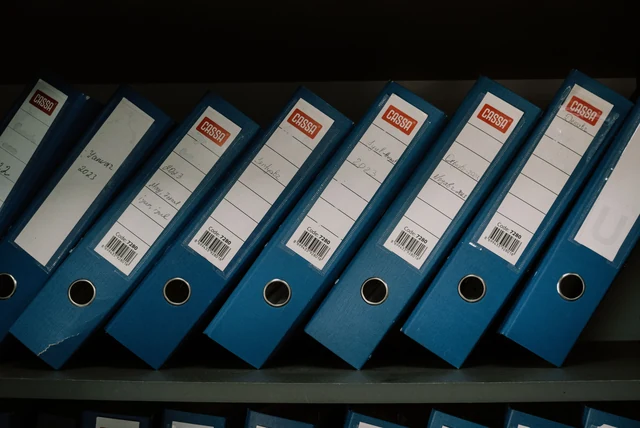
Most grant applications require businesses to provide detailed information about their operations, financial position, and project goals. Preparing these documents in advance can help entrepreneurs complete applications more efficiently.
Commonly requested documents include a business plan, cash flow forecast, company registration details, tax records, project proposal, and bank statements. Some grant providers may also ask for evidence showing how the funding will support job creation, innovation, or sustainability goals.
Providing accurate and well-organised information can strengthen an application and improve credibility during the review process.
Why Small Business Grant Applications Get Rejected
Many businesses apply for grants each year, but not all applications succeed. One of the most common reasons for rejection is failing to meet the programme’s eligibility requirements.
Applications may also be rejected because of incomplete documentation, unclear financial projections, weak business planning, or unrealistic growth expectations. In some cases, businesses fail to explain how the funding will create measurable impact or support the objectives of the grant provider.
Strong applications usually present clear goals, realistic budgets, and detailed explanations showing how the funding will be used effectively.
Small Business Grants vs Business Loans
| Feature | Small Business Grants | Business Loans |
|---|---|---|
| Repayment Required | Usually No | Yes |
| Application Competition | High | Moderate |
| Funding Speed | Slower | Faster |
| Ownership Dilution | No | No |
| Usage Restrictions | Often Limited | More Flexible |
| Risk Level | Lower Financial Risk | Higher Financial Obligation |
Both grants and loans can play an important role in business growth. Many entrepreneurs combine multiple funding sources to create a stronger financial foundation.
Are Small Business Grants Enough for Growth?
Although grants can provide valuable support, they rarely cover all the costs associated with building a business.
Most successful entrepreneurs combine grant funding with other sources of capital.
These may include personal investment, startup loans, or private investment.
Grants often work best when used to fund specific projects such as product development, research initiatives, or sustainability improvements.
By integrating grants into a broader funding strategy, businesses can create a more stable financial foundation.
Best Ways to Improve Your Chances of Securing a Grant

Image source: pexels.com
Businesses that prepare strong applications often improve their chances of receiving funding. Researching the goals of the grant provider is one of the most important steps in the process.
Entrepreneurs should clearly explain how the funding will support business growth, innovation, sustainability, or job creation. Providing realistic financial projections and measurable outcomes can also strengthen credibility.
Applying early, following application guidelines carefully, and tailoring proposals to each funding programme can significantly improve success rates.
Finding Grants That Actually Exist
Grant listicles date quickly, because schemes open, close and change eligibility without notice. The business finance and support finder on GOV.UK is the maintained list — filter by your region and sector rather than relying on any article, including this one, for what is currently open.
Innovation and research funding
Innovate UK, part of UK Research and Innovation, runs competitions for research and innovation projects. These are competitive and assessed against published criteria, not first-come-first-served, and they suit companies doing genuine technical development rather than general trading.
Free support that is not a grant
The British Library Business & IP Centre at the British Library and its national network offer free access to market research databases and company data that would otherwise be expensive. The Federation of Small Businesses also publishes guidance for small firms. Neither is money, but both reduce what you need money for.
Final Thoughts
For entrepreneurs launching or growing a company, small business grants in 2026 represent an important funding opportunity.
With programmes supporting innovation, regional development, sustainability, creative industries, and social impact initiatives, a wide range of grants are available to small businesses.
While the application process may require preparation and patience, the potential benefits are significant.
Grant funding allows businesses to invest in growth without increasing debt or giving away ownership.
For founders willing to research opportunities and submit strong applications, small business grants can provide a powerful financial boost and help turn ambitious ideas into successful ventures.
Disclaimer
This article is for informational purposes only and does not constitute financial, legal, or investment advice. Grant programmes, eligibility rules, and funding availability may change over time, so readers should verify information through official sources before applying.
FAQs
1. What are small business grants?
Small business grants are funds provided by governments, organisations, or private institutions to help businesses grow, innovate, or support specific projects without requiring repayment in most cases.
2. Are small business grants taxable?
In many cases, business grants may be considered taxable income depending on local tax laws and how the funds are used. Business owners should consult a financial professional for guidance.
3. Can startups apply for government grants?
Yes, many government grant programmes support startups and early-stage businesses, especially those focused on innovation, sustainability, or regional economic growth.
4. How difficult is it to get a small business grant?
Grant funding can be competitive because many businesses apply for limited funding opportunities. Strong planning and clear applications can improve approval chances.
5. Can I apply for multiple business grants?
Yes, businesses can often apply for multiple grant programmes if they meet the eligibility requirements for each opportunity.
6. What is the difference between grants and business loans?
Grants usually do not require repayment, while business loans must be repaid with interest over time.
7. Are grants available for online businesses?
Some grant programmes support digital businesses, ecommerce startups, and technology companies, particularly those focused on innovation or job creation.
8. Where can I find small business grants in 2026?
Entrepreneurs can find grant opportunities through government funding websites, local councils, startup support organisations, and business development agencies.
More Grant Funding Guides
- Grants for Business Start: Complete Guide to Startup Funding in the UK
- How to Apply for Startup Grants in the UK: Step-by-Step Guide
- Government Startup Grants for New Businesses
- Nonprofit and Social Enterprise Startup Grants
- Grants for Women Entrepreneurs: Funding Opportunities for Female Founders
- Technology Startup Grants: Funding Opportunities for Innovation
- Startup Grants for Minority and Underrepresented Founders
- International Startup Grants and Global Funding Opportunities
- Common Mistakes to Avoid When Applying for Startup Grants