Asset Finance and Equipment Leasing: A UK Business Guide
Hire purchase, finance lease or contract hire? The tax rules changed in January 2026, and the choice you make quietly changes your bill for years.

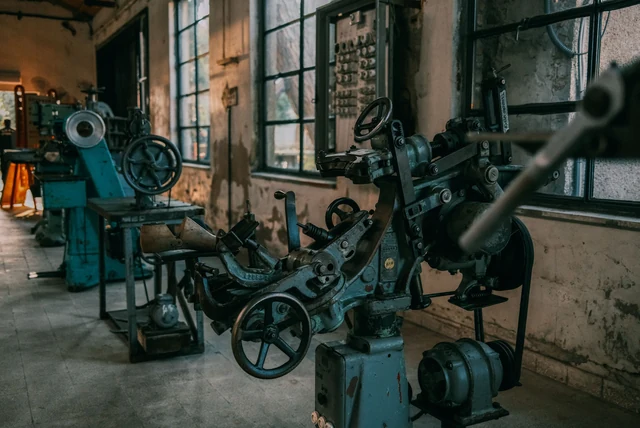
Tom runs a joinery workshop outside Leeds with four staff and one very tired spindle moulder. The replacement costs £38,000 — roughly everything in the business account, and then some. He does not have that money sitting spare, and he cannot take the orders piling up without the machine. This is the moment most British firms meet asset finance for the first time, usually in a hurry and usually without knowing that the choice they make next quietly changes their tax bill for years.
| Product | Who owns it | At the end | Suits |
|---|---|---|---|
| Hire purchase | You, after the last payment | You keep it | Long-life kit you want to own |
| Finance lease | The funder | Return, sell for them, or extend | Kit that dates quickly |
| Operating lease / contract hire | The funder | Hand it back | Vehicles and fast-depreciating assets |
| Asset refinancing | Funder takes security | You carry on using it | Releasing cash from kit you own |
Four products that all solve the same problem
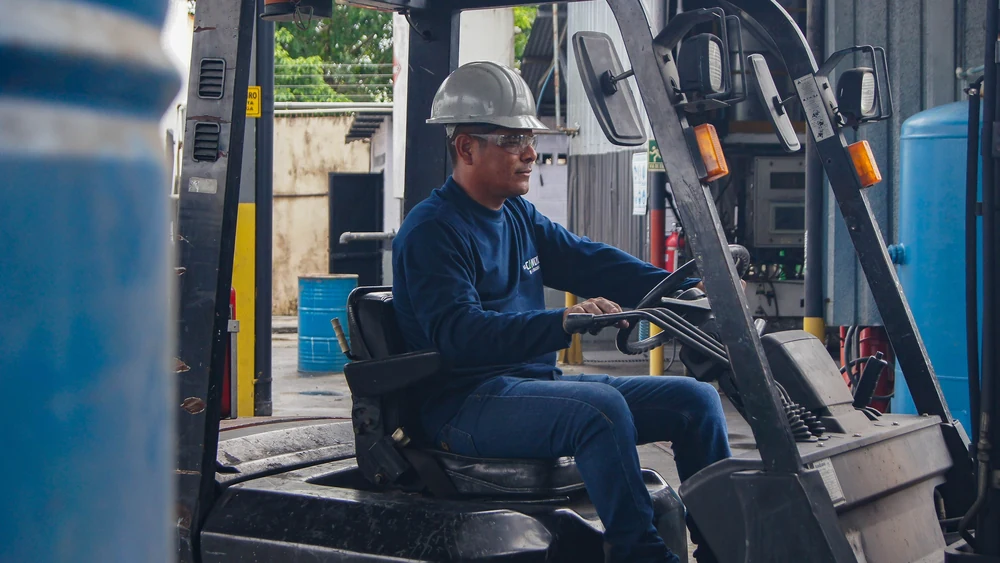
Image source: pexels.com
Strip away the jargon and asset finance does one thing: it lets you use expensive equipment now and pay for it out of the money it earns. Tom’s moulder will make him money every week it runs, so paying for it over four years while it does that makes far more sense than emptying the account in one go. There are four ways to arrange it. You can buy it on hire purchase, lease it, rent it long-term, or raise cash against machines you already own. Terms usually run between twelve and eighty-four months, matched to how long the asset will realistically work. This is not a fringe product either — UK asset finance reached a record £41.6 billion of new business in the year to June 2026.
Hire purchase: it becomes yours at the end
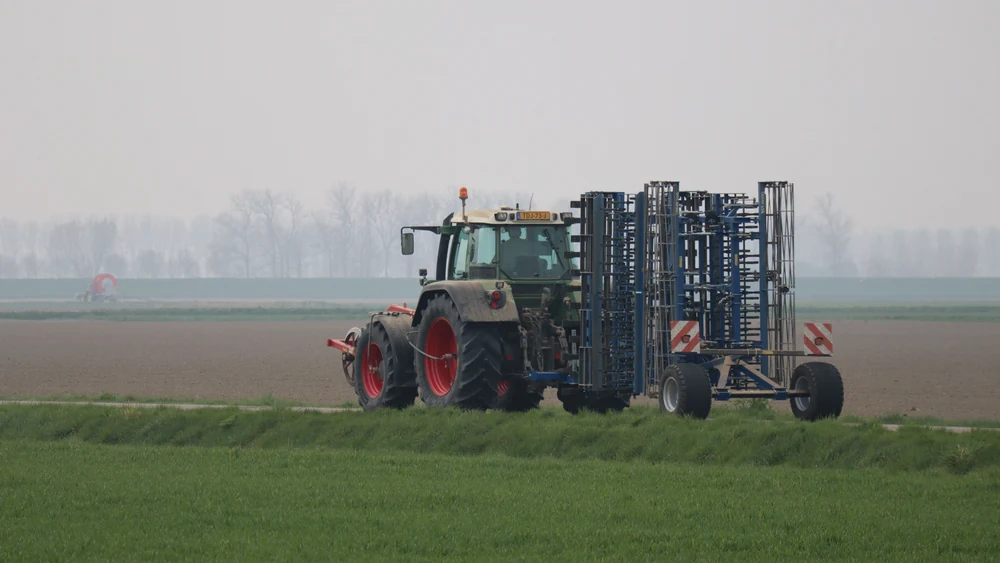
Image source: pexels.com
Hire purchase is the closest thing to simply buying the machine with borrowed money. You put down a deposit, pay monthly, and after the final instalment the asset is legally yours. Tom liked this because a good spindle moulder will still be earning in fifteen years, and there is no sense renting something with that kind of working life. It is usually the right call for long-life kit, for anything where owning it matters for insurance or regulation, and for businesses that want the tax relief in year one — which we will come to, because that is where the real money is. The trade-off is a higher monthly payment than leasing, and you carry the risk that the asset is worth less than you hoped.
Finance lease: you use it, they own it

Image source: pexels.com
With a finance lease the funder buys the asset and you rent it for an agreed primary term. At the end you usually hand it back, sell it on the funder’s behalf and keep an agreed share of the proceeds, or carry on into a cheaper secondary period. Monthly payments are lower than hire purchase because you are not paying off the whole value. This suits anything that dates fast — IT, catering equipment, technology that will look tired in four years. A restaurant kitting out a new site rarely wants to own a five-year-old combi oven; it wants the newest one, and a predictable monthly cost it can plan around.
Operating lease and contract hire: long-term rental
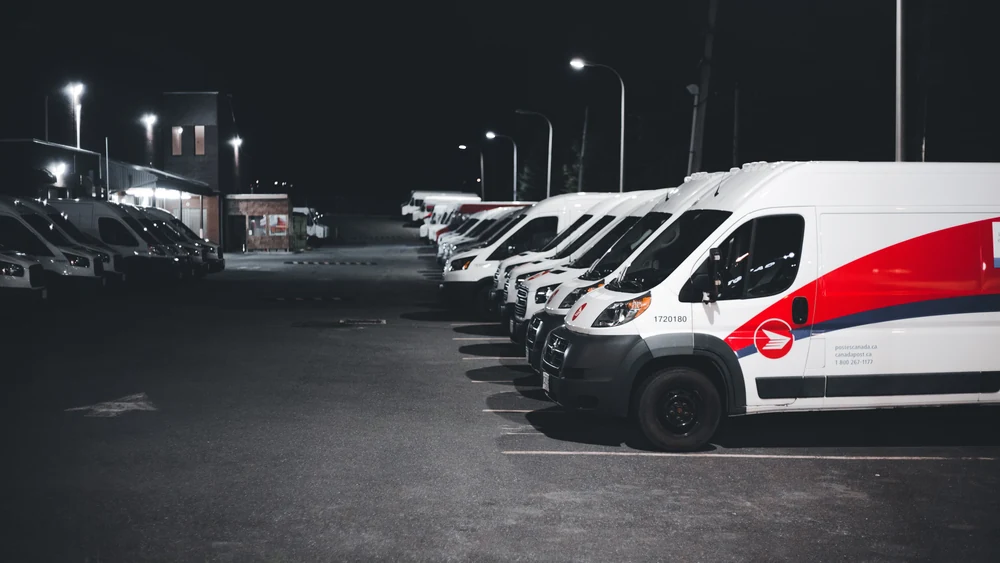
Image source: pexels.com
An operating lease goes a step further. You use the asset for a fixed period, hand it back, and that is the end of the arrangement. Maintenance is often bundled in, which is why almost every business van you pass on the motorway is on contract hire rather than owned. The appeal is simple: you never deal with the resale, the servicing headaches are somebody else’s, and the monthly cost is the whole cost. It is the most expensive way to use an asset over a long period, and comfortably the cheapest way to use one for three years and then walk away without a second thought.
The tax rules changed in 2026, and most guides have not caught up

Image source: pexels.com
This is the part worth reading twice, because two changes have just landed. Full expensing still gives companies 100% relief in year one on new main-rate plant and machinery, with no cap — but it has never covered second-hand kit, cars, or assets bought to lease out. From 1 January 2026 a new 40% first-year allowance fills part of that gap, and for the first time it does cover plant and machinery bought for leasing, with the remaining 60% going into the main pool. It is open to sole traders and partnerships too, not just companies, though cars and second-hand assets are still out. Meanwhile the main pool writing down allowance dropped from 18% to 14% on 1 April 2026 for corporation tax, and 6 April for income tax. The Annual Investment Allowance stays at £1 million.
The bit that matters: on hire purchase you are treated as owning the asset from day one, so you claim the allowances, and the interest is deductible too. On a lease you own nothing, so there are no capital allowances — you deduct the rentals instead. Same machine, very different tax position.
VAT decides more than most people expect
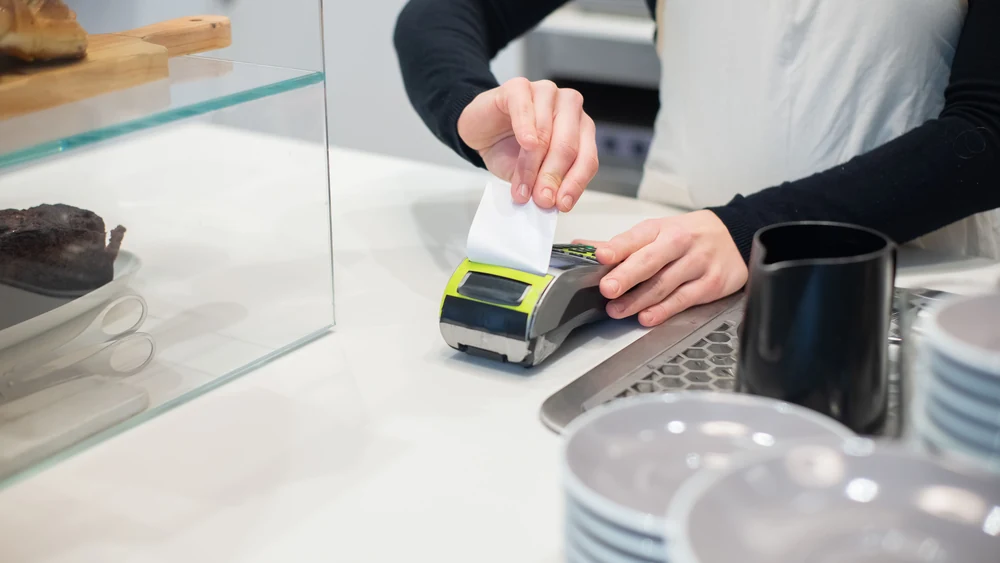
Image source: pexels.com
Here is where cash flow gets interesting. Hire purchase counts as a supply of goods, which means the whole VAT on the asset price is reclaimable up front — a genuine boost if you are VAT registered, though you have to find that money first. A finance lease is a supply of services, so the VAT is spread across each monthly rental instead. Smaller hit at the start, paid gradually. For Tom, buying a £38,000 machine on hire purchase meant finding the VAT on day one and reclaiming it on his next return. Cars are the exception worth flagging: you can usually only reclaim half the VAT on lease rentals, and all of it only where use is genuinely wholly business.
What it actually costs, and what funders look at
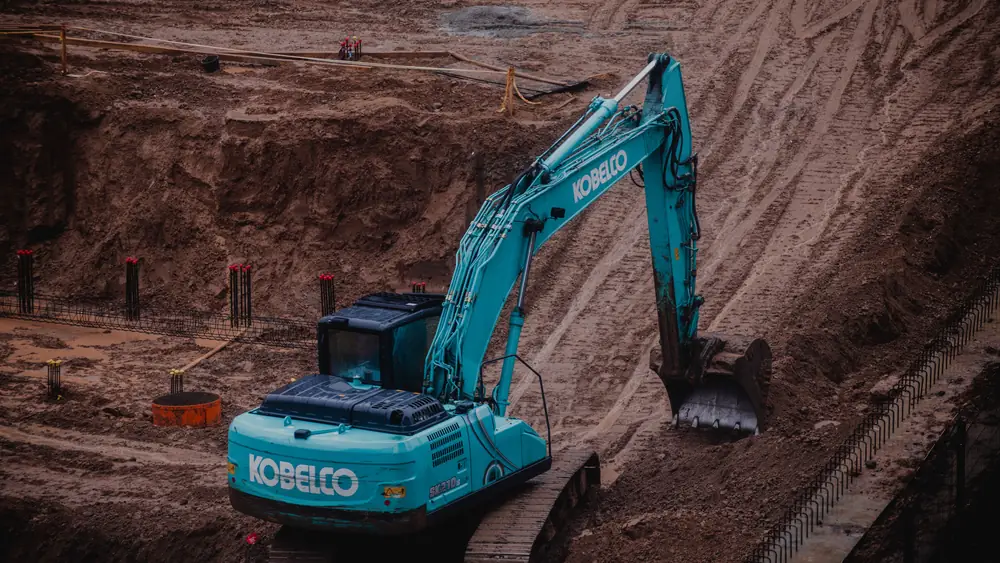
Image source: pexels.com
There is no published rate table worth trusting, because every quote is built from scratch. Four things move the number: the length of the term, the deposit you put down, your credit profile, and what the funder thinks the asset will be worth at the end. That last one is the lever people miss. An excavator with a strong second-hand market gets cheaper monthly payments than a bespoke machine nobody else can use, because the funder is carrying less risk. Stretching the term lowers the monthly cost and raises the total you pay, so match it to the asset’s working life rather than to what feels comfortable. A tidy business credit profile is worth real money here.
So which one should you choose?

Image source: pexels.com
Ask three questions in order. Will this asset still be earning in ten years? If yes, hire purchase, because renting something with a long life is money thrown away. Are you a company that can use the year-one allowances, or would you rather keep monthly costs low and steady? That usually settles hire purchase against leasing. And can you fund the VAT up front, or do you need it spread? Tom chose hire purchase, claimed the allowance, and reclaimed the VAT on his next return. A print shop replacing kit every three years would sensibly do the opposite. Neither is wrong — they just suit different machines and different balance sheets.
What Tom worked out in the end
The machine arrived in six weeks and paid for its own monthly payment inside two months of running. That is really the test with asset finance: not whether borrowing feels comfortable, but whether the asset earns more than it costs to fund. Get that right and the product almost chooses itself. Before you sign anything, run the numbers through a proper cash flow forecast, compare it honestly against invoice finance and an ordinary business loan, and let your accountant check the tax side. The 2026 rules are new, and they are worth getting right.
Frequently asked questions
What is asset finance?
Asset finance lets a business use equipment, vehicles or machinery while spreading the cost over monthly payments, instead of paying the full price up front.
What is the difference between hire purchase and leasing?
With hire purchase you own the asset after the final payment. With a lease the funder keeps ownership and you return the asset, sell it for them, or extend.
Can I claim capital allowances on leased equipment?
Not on a lease — you deduct the rentals instead. On hire purchase you are treated as the owner from day one and can claim the allowances yourself.
What is the new 40% first-year allowance?
From 1 January 2026 it gives 40% relief in year one on new main-rate plant and machinery, including assets bought for leasing. Cars and second-hand kit are excluded.
How is VAT treated on asset finance?
Hire purchase is a supply of goods, so VAT on the asset is reclaimable up front. A finance lease is a supply of services, so VAT is spread across the rentals.
How long do asset finance agreements run?
Usually twelve to eighty-four months. The term is normally matched to how long the asset is expected to keep working and earning.
This article is general information, not financial or tax advice. Market figures come from Finance & Leasing Association data, and the capital allowance and VAT rules described reflect the position as at September 2026 following Autumn Budget 2025. Tax rules change and depend on your circumstances — check the current position with HMRC or your accountant before committing to any agreement.