What Is “Debit Finance Collections” on Your Bank Statement?
An unfamiliar name on a direct debit is usually a collections agency acting for someone you do recognise. How to identify it and what to do.

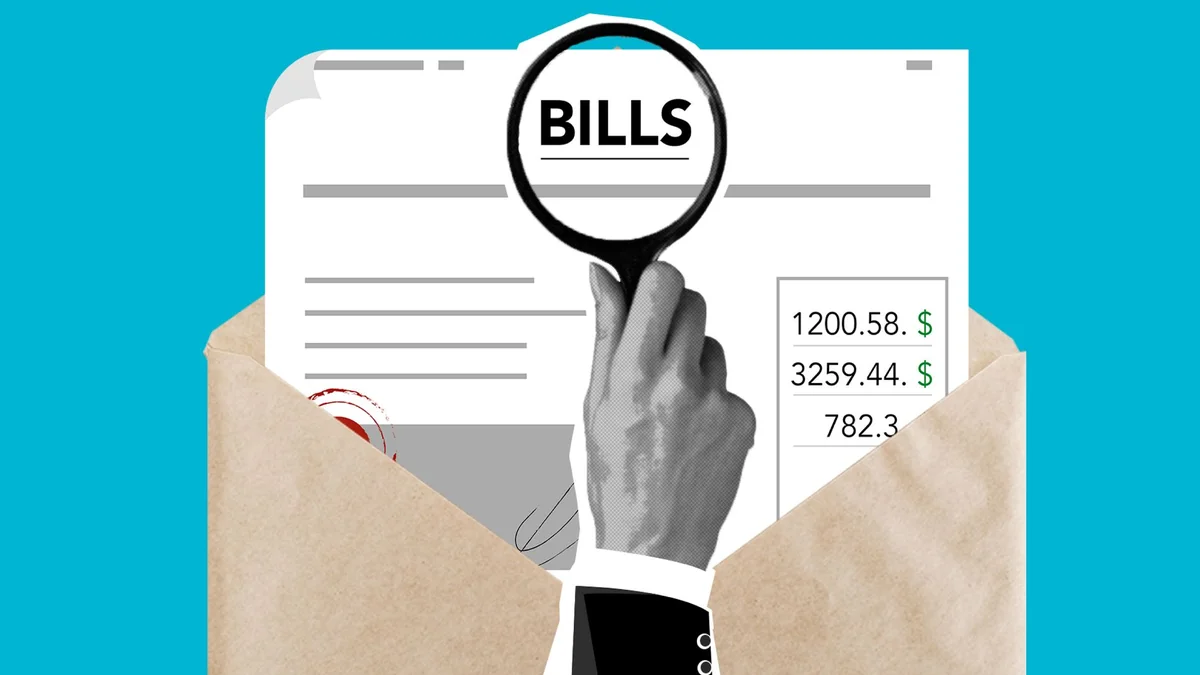
An unfamiliar entry appears on the statement and the immediate assumption is fraud. Frequently it is not — payment collection is routinely outsourced, and the name that appears is the collector rather than the business you actually signed up with.
Collection Companies Act for Other Businesses
Gyms, clubs, subscription services, insurance intermediaries and membership organisations commonly use a third party to administer direct debits. That third party appears on your statement, which is why the name looks unconnected to anything you remember agreeing to.
Work Out What It Relates To

Image source: pexels.com
Check the amount against anything you subscribe to, and look at when it started. Gym memberships, breakdown cover, magazine subscriptions and club fees are the most common. The date the mandate was set up is usually visible in online banking and frequently identifies it immediately.
Ask the Collector Directly
Collection companies will tell you who they are collecting for if you contact them with the reference from your statement. That is the fastest route to identifying an unrecognised entry, and they deal with the question constantly.
Check the Direct Debit Guarantee
Direct debits in the UK carry a guarantee: you must be notified in advance of changes, and you are entitled to an immediate refund from your bank for any payment taken in error. Your bank handles that claim and can recover from the originator.
Do Not Simply Cancel It
Cancelling the mandate stops the payment; it does not end the underlying agreement. If you still owe a gym or a subscription, cancelling the direct debit creates arrears and can result in collection activity and a mark on your credit file. Cancel the contract first, then the mandate.
If You Genuinely Do Not Recognise It
Contact your bank and the collector. If neither can connect it to something you agreed, treat it as potentially fraudulent: claim under the guarantee, review recent statements for other unfamiliar entries, and check your credit report for accounts you did not open.
Set Up Alerts on Your Account
Most banking apps will notify you of new direct debits and payments above a threshold. Turning those on takes a minute and means unfamiliar collections are noticed within a day rather than at the next statement review.
Keep a List of Your Own Subscriptions
A short list of every recurring payment, what it is for and when it renews makes an unfamiliar entry obvious immediately. Most people cannot name everything they pay for monthly, which is exactly why unwanted collections continue unnoticed.
Check Joint Accounts Too
Where an account is shared, a collection may relate to something the other holder arranged. Asking before escalating avoids an awkward conversation with the bank about a payment that turns out to be entirely legitimate.
Unauthorised Mandates Do Happen
Direct debits can be set up with limited information, and mandate fraud is a recognised problem. Reviewing your statements regularly is what catches it, since small recurring amounts frequently continue unnoticed for months.
Keep Records of What You Cancel
When ending a subscription, get written confirmation and keep it. Disputes about whether a cancellation was received are common, and a dated email is what resolves them.
Check the Firm Is Legitimate
Where a collector is pursuing a debt rather than administering a subscription, they should be identifiable and, for regulated debts, appropriately authorised — check the Financial Services Register. Legitimate firms will provide details of the debt and the original creditor on request.
Never Pay to Make It Go Away
If you do not recognise a debt, ask for details in writing rather than paying to stop the contact. Paying can be treated as acknowledging a debt that may not be yours.
Check Whether It Is a Continuous Payment Authority
Some recurring payments are taken from a card rather than by direct debit. These do not carry the direct debit guarantee, and cancelling them works differently — you can instruct your card provider to stop them, and they must comply.
Check It Is Not Linked to a Credit Agreement
Some recurring collections relate to a regulated credit agreement rather than a subscription. If so, the protections and complaint routes differ, and it is worth establishing which — the same distinction that matters when considering mis-sold car finance.
Free Trials That Became Subscriptions
Image source: pexels.com
A large proportion of unrecognised recurring payments originate in a trial that converted automatically. Diarising the end of any free trial when you sign up prevents almost all of these, and cancelling before the conversion date avoids the argument entirely.
If It Relates to a Debt
Where the collector is pursuing an actual debt rather than administering a subscription, ask for written details of the original creditor, the amount and the date. If the debt is genuinely yours, engaging early gives more options — the same principle that applies to whether bailiffs can take a financed car.
Understand the Total Cost Before Signing
Whatever the product, the number that matters is the total amount repayable over the full term, including every fee. Monthly figures are designed to feel affordable and they conceal the difference between a reasonable agreement and an expensive one.
Ask for Everything in Writing
Verbal assurances about rates, charges or what happens at the end of an agreement are routinely denied later. A short email confirming what was agreed costs nothing and is the evidence if the account is ever disputed.
Where to Get Free Help
Debt advice charities and consumer services provide free, impartial guidance on credit agreements and can frequently negotiate with lenders directly. They cost nothing and are generally more effective than commercial firms charging for the same work.
Keep Every Document
The agreement, any correspondence, settlement quotes and confirmation of closure should all be kept. Disputes about consumer credit surface months or years later, and the paperwork is what resolves them quickly rather than slowly.
Review Your Statements Monthly
Review Your Statements Monthly
Most people discover unwanted subscriptions and unrecognised collections only when reviewing a statement properly. Ten minutes a month regularly finds something worth cancelling, and it is the same discipline that catches fraud early.