Corporation Tax Basics for UK Company Directors (2026)
19% up to £50,000, 25% over £250,000, marginal relief in between, pay before you file, and late-filing penalties that doubled from April 2026.


Emma set up a limited company for her marketing consultancy in Manchester and had a brilliant first year: £92,000 of profit. She had kept money aside, but only enough for tax at 19%, because that was the figure she remembered hearing. The bill came in at about £20,600. Nothing had gone wrong; she simply had not understood how the rates work once profits pass £50,000. Corporation tax is not complicated, but the details — rates, deadlines and, since April 2026, much bigger late-filing penalties — catch out a lot of new directors.
| Corporation tax from 1 April 2026 | Detail |
|---|---|
| Profits of £50,000 or less | Small profits rate 19% |
| Profits between £50,000 and £250,000 | Marginal relief — rate rises gradually |
| Profits over £250,000 | Main rate 25% |
| Payment due | 9 months and 1 day after the year end |
| CT600 return due | 12 months after the year end |
| First late-filing penalty | £200 (was £100 before April 2026) |
What corporation tax is, and who pays it
Corporation tax is paid by limited companies on their taxable profits. It is the company’s tax, not the director’s: money you take out as salary or dividends is taxed separately, through PAYE or your own Self Assessment. That split is one of the biggest differences between running a company and being a sole trader, which we compare in our guide to sole trader or limited company. When a company starts trading, it must register for corporation tax with HMRC within three months. If you have just formed one, our guide to registering a UK company covers the other first steps.
The rates for 2026
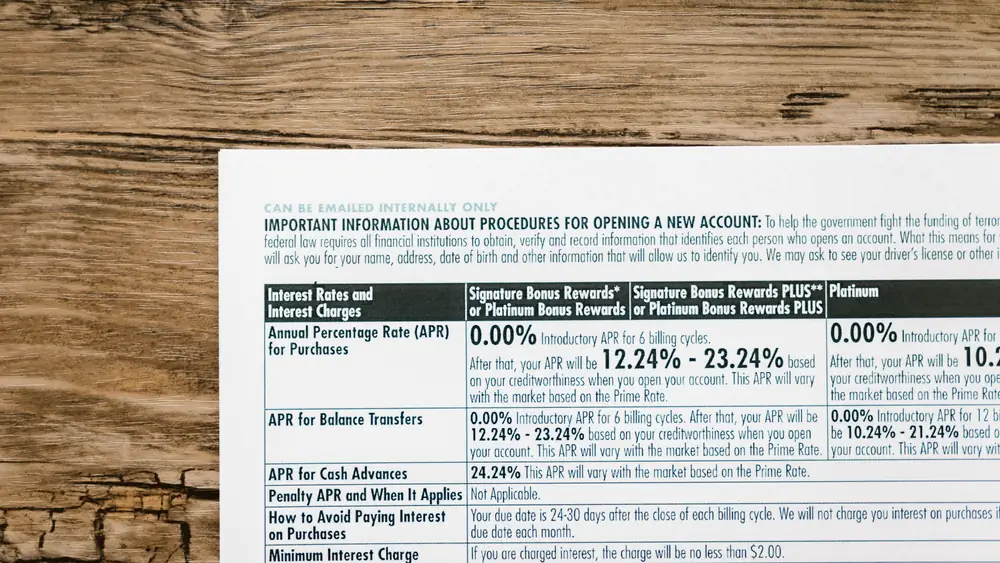
Image source: pexels.com
For the financial year starting 1 April 2026, the rates are unchanged. Companies with profits of £50,000 or less pay the small profits rate of 19%. Those with profits over £250,000 pay the main rate of 25%. The limits are shared if your company has associated companies — broadly, other companies under the same control — so two linked companies each get limits of £25,000 and £125,000. They are also reduced for accounting periods shorter than twelve months. Emma’s company had no associates and a full year, so her £92,000 of profit fell in the middle band.
Marginal relief: the part that surprises people

Image source: pexels.com
Between £50,000 and £250,000, companies pay the main rate of 25% but claim marginal relief, which reduces the bill so that the overall rate rises gradually from 19% towards 25%. The catch is that profit within this band is effectively taxed at a higher marginal rate than either end, so each extra pound of profit costs more tax than people expect. On £92,000, Emma’s bill came to about £20,630 — roughly 22.4% overall, not 19%. HMRC has an online calculator, and your accountant will work it out precisely. The practical lesson is simple: if profits are climbing past £50,000, set aside more than 19%.
What counts as taxable profit
Image source: pexels.com
Your taxable profit starts with the profit in your accounts, then gets adjusted. Some costs are not deductible, such as client entertaining. Depreciation in the accounts is replaced with capital allowances. Genuine business costs — salaries, rent, software, professional fees — reduce profit, as long as they are wholly and exclusively for the business. Directors’ salaries and employer pension contributions are usually deductible; dividends are not, because they are paid out of profit after tax. Keeping clean records makes all of this straightforward; our guides to business expenses and record keeping explain what to keep.
Allowances that can cut the bill
Image source: pexels.com
Buying equipment can reduce taxable profit significantly. Most companies can claim the Annual Investment Allowance of up to £1 million a year, and full expensing gives companies 100% relief on qualifying new main-rate plant and machinery. From 1 January 2026 a new 40% first-year allowance also covers some assets that full expensing did not, including many bought for leasing, while the main writing down allowance fell to 14% from April 2026. The way you fund equipment affects who claims these, which we explain in our guide to asset finance and equipment leasing. Timing purchases before your year end can bring the relief forward, but only buy what the business genuinely needs.
Pay before you file

Image source: pexels.com
Corporation tax has an unusual order: you pay first and file later. For most small companies the tax is due nine months and one day after the end of the accounting period, while the CT600 tax return is due twelve months after it. For a year ending 31 March 2026, that means paying by 1 January 2027 and filing by 31 March 2027. Your accounts must also be filed at Companies House, usually within nine months of the year end for a private company. Very large companies, with profits over £1.5 million, pay by quarterly instalments instead. Put every date in your calendar the day your year ends.
Late filing now costs twice as much
Image source: pexels.com
Here is the change many directors have missed. For company tax returns due on or after 1 April 2026, HMRC doubled the fixed late-filing penalties, announced in the Autumn Budget 2025. A return filed even a day late now costs £200 instead of £100, rising to £400 if it is three months late. If a return is late three times in a row, the penalty jumps from £500 to £1,000. HMRC said the old amounts had lost around half their real value since they were set. On top of that, tax-based penalties can apply if a return is six or twelve months late, and interest is charged on tax paid after the due date.
Salary, dividends and your own tax
Corporation tax is only half the picture for a director. Once the company has paid its tax, the money you take out is taxed again in your hands: salary through PAYE with National Insurance, and dividends through your own Self Assessment at dividend tax rates. Many small company directors take a modest salary and the rest as dividends, but the best mix changes with the rates each year and with your other income. Dividends can only be paid from profits that remain after corporation tax, so paying them before the tax is accounted for can leave the company short. Plan the whole picture — company tax and personal tax together — rather than looking at corporation tax on its own, and agree the approach with your accountant before the year end rather than after it.
Set the money aside as you go

Image source: pexels.com
The simplest way to avoid Emma’s shock is to move money into a separate savings account every month, based on your profit so far and a realistic rate — nearer 25% than 19% if profits are heading past £50,000. Because the tax is due nine months after the year end, it is easy to spend it without noticing. Build the payment date into your cash flow forecast so it never arrives as a surprise, and review the pot quarterly with your accountant so you can plan salary, dividends and purchases sensibly.
What Emma does now
In her second year Emma put 25% of each month’s profit into a tax account, bought a new laptop and camera kit before her year end to claim the allowance, and had her accountant file the return in month six rather than month twelve. When the bill arrived, the money was already waiting. Corporation tax rewards directors who understand three things: the rate bands, the deadlines and the penalties. Get those right and it becomes just another planned payment rather than an annual panic. If you are unsure where you stand, ask your accountant for a one-page tax calendar at the start of each financial year, listing every payment and filing date, and pin it where you will see it.
Frequently asked questions
What is the corporation tax rate for 2026?
From 1 April 2026, 19% on profits of £50,000 or less and 25% on profits over £250,000, with marginal relief in between.
When do I have to pay corporation tax?
Usually nine months and one day after the end of your accounting period. The CT600 return is due twelve months after the period ends.
What is the penalty for filing a CT600 late?
For returns due from 1 April 2026, £200 initially, rising to £400 after three months, and £1,000 for repeated late filing.
What is marginal relief?
A reduction for companies with profits between £50,000 and £250,000, so the overall rate rises gradually from 19% towards 25%.
Are dividends deductible for corporation tax?
No. Dividends are paid from profits after corporation tax. Directors’ salaries and employer pension contributions usually are deductible.
Do associated companies affect corporation tax?
Yes. The £50,000 and £250,000 limits are divided between associated companies, which can push each into a higher rate band.
This article is general information, not tax advice. Rates, allowances and penalties reflect the position for the financial year starting 1 April 2026. Your company’s position depends on its profits, structure and accounting period, so check with an accountant or HMRC.