British Sports Figures: Who They Are and Where the Money Is
Barry Hearn turned snooker into television. Saudi Arabia turned boxing into something else. British sporting fame is downstream of broadcast rights — here is the map.

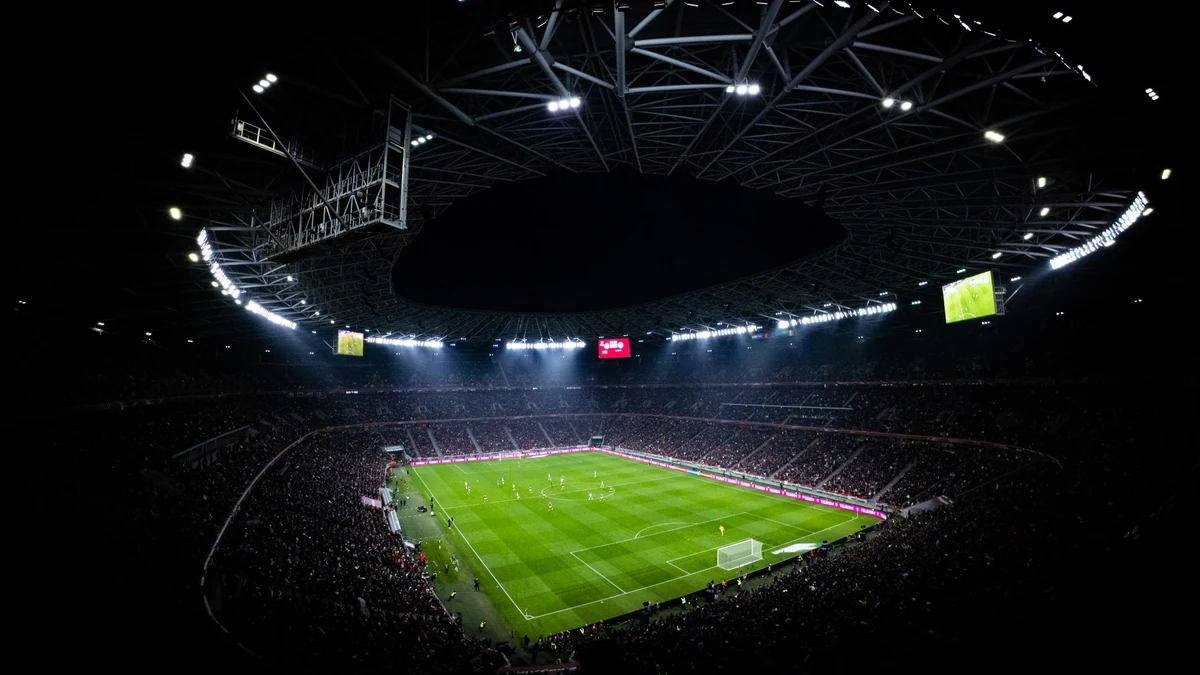
Barry Hearn’s first big idea was that snooker — a game played in pubs by men in waistcoats — could be television. He was right, and he did the same thing to darts. His son Eddie did it to boxing.
That is the useful way to look at British sport, and at the people on this page. They are not a random collection of famous names. They sit at different points on the same pipeline, and the thing pumping through it is broadcast rights money.
Where the money is
The Premier League’s domestic broadcast deal for 2025/26 to 2028/29 is worth around £6.7 billion over four years. Total television and commercial revenue for the cycle was reported up 17%, to £12.25 billion.
That money is split unevenly, and the split explains what you can watch:
| Broadcaster | Premier League |
|---|---|
| Sky Sports | Minimum 215 matches a season |
| TNT Sports | 52 matches, Saturday lunchtime |
| BBC | Highlights only |
Elsewhere the map is just as fixed:
| Sport | Rights holder | Until |
|---|---|---|
| England home Tests, ODIs, T20Is | Sky live, BBC highlights | 2028 |
| Wimbledon | BBC, live | 2033 |
| Australian Open | TNT Sports | 2031 |
| US Open tennis | Sky Sports | 2027 |
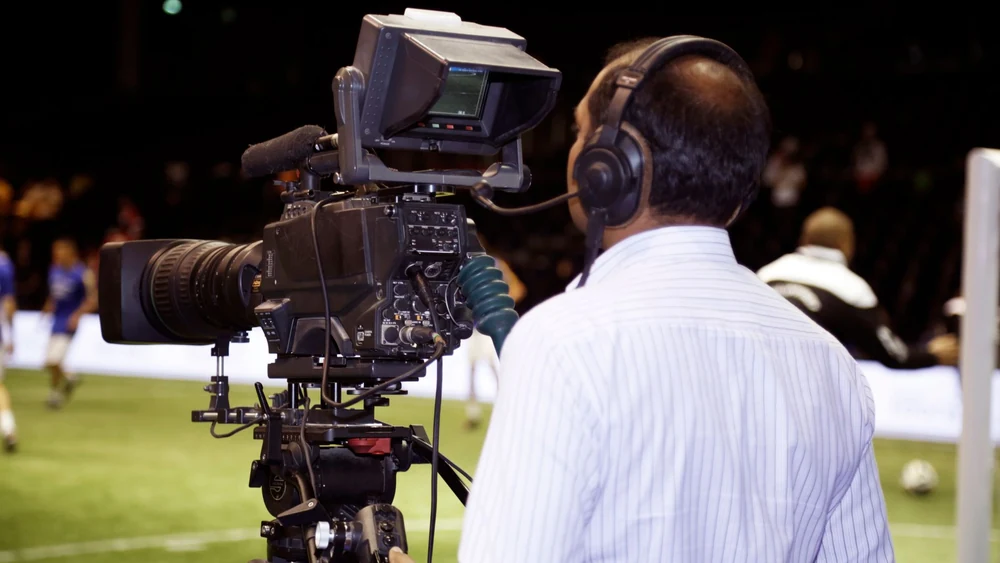
Image source: pexels.com
Why Wimbledon is free and football is not
This is not a commercial accident. It is a law.
Under the Ofcom Code on Sports and Other Listed and Designated Events, a set of events must be shown live and free-to-air on terrestrial television. To qualify, a channel has to reach 98% of the population — which in practice means BBC One and Two, ITV, Channel 4 and Channel 5.
Wimbledon is on that list. Premier League football is not.
The consequence runs right through this page. A British tennis player who reaches the second week at Wimbledon becomes a household name in a fortnight, because the whole country can see it without paying. A world-class snooker or darts player has to build the same profile through a subscription channel, one tournament at a time.

Image source: pexels.com
Boxing, and the money that changed it
The Hearn model was straightforward: own the promotion, sell the broadcast, build the fighter. Barry Hearn proved it with snooker and darts, and Eddie Hearn scaled it up at Matchroom with boxing.
Then Saudi Arabia started writing cheques.
“Riyadh Season” has made the UK something closer to a satellite of Middle Eastern sporting wealth. The fights that British promoters spent years failing to make happened almost immediately once someone was willing to pay both sides more than either could earn at home. Anthony Joshua and Tyson Fury are the two careers most obviously reshaped by it.
The effect leaked sideways. Premier League clubs have had to raise their own ceilings to stop players leaving for the Saudi Pro League, which is part of why top-flight wages went where they went.

Image source: pexels.com
The figures we profile
Football
Ollie Watkins and Cole Palmer are what £6.7 billion of broadcast money looks like at the sharp end — England forwards whose wages exist because Sky and TNT bid against each other.
The generation before them moved into the studio. Alan Shearer, Micah Richards and Gary Lineker are all paid out of the same rights deals they analyse — punditry is not adjacent to the industry, it is part of it.
Boxing
Tyson Fury and Anthony Joshua defined British heavyweight boxing for a decade, promoted into a market that then got bought out from underneath everyone by Gulf money.
Cricket and tennis
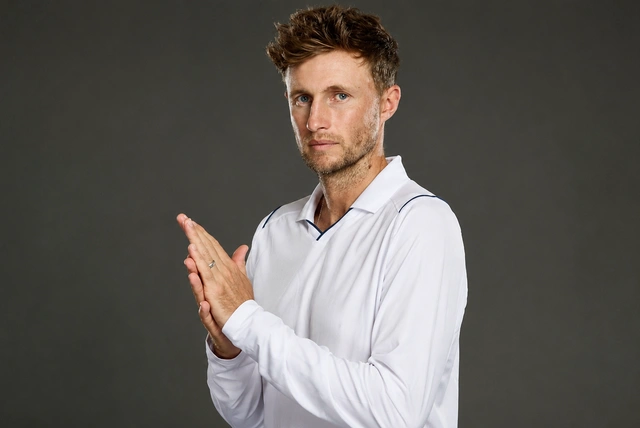
Joe Root has spent his career behind a paywall — England Test cricket has been on Sky since 2005, which is why a generation knows his numbers better than his face.
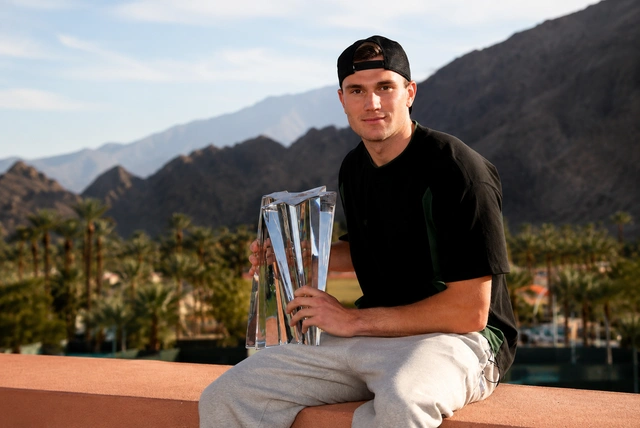
Jack Draper and Emma Raducanu had the opposite experience. Wimbledon on the BBC means a good fortnight makes you nationally famous whether you were ready for it or not.
Image source: pexels.com
The Matchroom sports
Ronnie O’Sullivan in snooker and Luke Humphries in darts are the direct descendants of Barry Hearn’s original bet. Both play sports that were pub games within living memory and are now televised, sponsored, ranked and global.
And Chris Froome represents the awkward category — a British athlete who won the biggest race in his sport four times in a discipline most of the country still does not watch.

Image source: pexels.com
What it means for who gets famous
Being brilliant at a sport in Britain does not make you famous. Being brilliant at a sport that is on free-to-air television makes you famous.
That is why a tennis player who has never won a major can be better known than a cyclist with four Tour de France titles, and why a darts final draws an audience that a Test match no longer does. The talent is not the variable. The distribution is.
We also profile the people on the other side of the camera — see UK news presenters and broadcasters and British comedians.
Frequently asked questions
How much are Premier League TV rights worth?
The domestic deal covering 2025/26 to 2028/29 is worth around £6.7 billion over four years. Total TV and commercial revenue for the cycle was reported up 17% to £12.25 billion.
Why is Wimbledon on the BBC?
It is a listed event under the Ofcom code, so it must be shown live and free-to-air on a channel reaching 98% of the population. The BBC holds those rights until 2033.
Who shows England cricket in the UK?
Sky Sports has England home Tests, ODIs and T20Is live until 2028, with BBC highlights over the same period.
What did Barry Hearn actually do?
He worked out that snooker and darts could be built into television properties rather than pub games, and structured the promotion, ranking and broadcasting around that. Matchroom then applied the same model to boxing under his son Eddie.
How has Saudi money changed British boxing?
Riyadh Season has outbid the traditional promoters, making fights happen that had stalled for years and pulling the sport’s centre of gravity away from the UK. The effect has spilled into football, where clubs have raised wages to keep players from the Saudi Pro League.