British Comedians: The £1bn Industry Behind the Names
One comedian plays an arena on Friday night. Another drives up the M6 for £20. Both are in the same billion-pound industry.


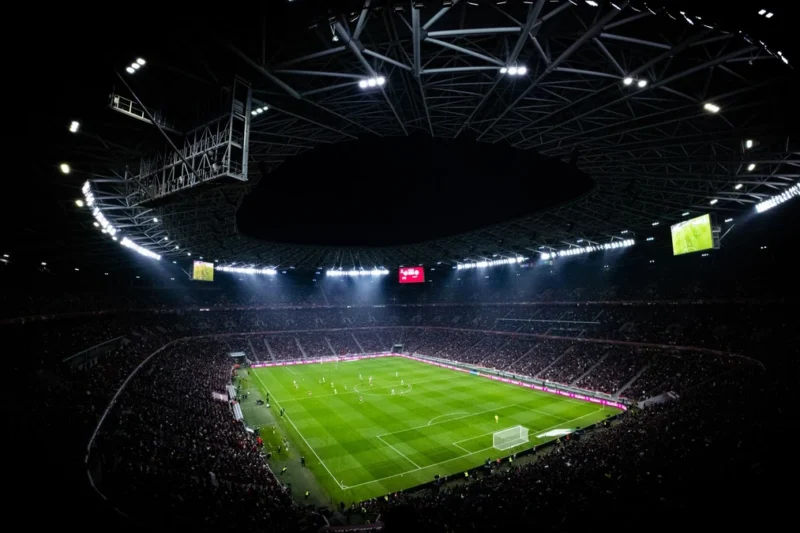
On a Friday night in Britain, one comedian is walking onto an arena stage in front of twelve thousand people. Another is driving up the M6 to do twenty minutes above a pub for £20 and his petrol back.
They are both in the same industry, and it turns over £1 billion a year.
The comedians profiled on this page are, almost without exception, at the first end of that. This is what the rest of it looks like — and where each of them fits.
A billion-pound industry, and a £26,778 median
Live comedy in the UK is worth roughly the same as the British fishing industry. That is the finding of a survey of 366 industry professionals — two thirds of them performers — run by the Live Comedy Association, the Centre for Comedy Studies Research and the British Comedy Guide.
The same survey found the average comedian earns £26,778 a year, doing 3.2 shows a week.
The spread behind that average is the real number. Reported incomes ran from £0 to £20 at one end to £600,000 at the other.

Image source: pexels.com
Circuit pay has not moved in thirty years
One performer put it to the survey like this:
“The money a comedian gets for circuit gigs is almost exactly the same as it was 30 years ago. It has barely gone up a penny while expenses have more or less tripled.”
Those expenses are specific and boring: petrol, trains that do not run, and a room in Edinburgh in August that costs more than the show will take.
The report also found promoters and venues paying late, and documented barriers by gender and age, and for LGBTQ+, Black and Asian, disabled and working-class performers.
Image source: pexels.com
How the money is actually made
Nobody in British comedy earns a living from one thing. The names below all built their income from four or five sources at once.
- Club gigs and tours — the base. Twenty minutes at a time until it is ninety.
- Panel shows — fees negotiated individually and scaled to how famous you are, running into thousands per appearance.
- Writing for television and radio, often for other people first.
- Specials and DVDs, now mostly streaming deals.
- Books, which is where a lot of comedians make more than they do on stage.
- The unglamorous rest — corporate gigs, hosting, voiceovers, cruise ships, teaching.
The ladder up is well worn: unpaid open spots, then weekenders that cover petrol, then an Edinburgh run you pay for yourself, then — for a very small number — television.
The panel show economy
British comedy has a structure most countries do not: a permanent circuit of televised panel shows that turns club acts into household names, and household names into tour ticket sales.
It is why the same faces recur. A slot on a Friday night show reaches more people in half an hour than three years of gigging, and the tour that follows is where the money actually arrives.

Image source: pexels.com
The comedians we have profiled
Grouped by what they mainly do, rather than alphabetically.
Arena stand-ups
Michael McIntyre is the clearest example of the model working exactly as designed — observational club sets, then television, then arenas. Jimmy Carr took a different route to the same place, building a career on precision-engineered one-liners and a willingness to court the row that follows. Russell Howard came up through topical television before going out on his own.
Rob Beckett is the newest of them, and the most visible product of the podcast era — the audience arrived through headphones rather than a television slot.
Writer-performers
Ricky Gervais is the outlier on this page — a writer first, whose international career came from a sitcom rather than a circuit. Greg Davies was a teacher for over a decade before comedy, and moved from stand-up into writing and then presenting. Romesh Ranganathan followed almost the same path — teaching, then late-starting stand-up, then a broadcasting career that now outweighs it.
Panel show regulars and presenters
Lee Mack has built a career on being the quickest person in the room, which is a specific and rare skill on live television. Alexander Armstrong came from a sketch double act and moved into presenting, singing and quizzing — a reminder that “comedian” in Britain is a job title with elastic edges.
Image source: pexels.com
Edinburgh, and what it costs
Almost every name above went through the Edinburgh Fringe, and almost every one of them lost money doing it.
The Fringe is where an hour of material gets built, reviewed and sold to television — and it is also a month of accommodation costs in a city that knows exactly what it can charge in August. The survey named it directly as one of the costs squeezing performers out.
It remains the single most reliable route from the circuit to a career, which is why people keep paying for it.
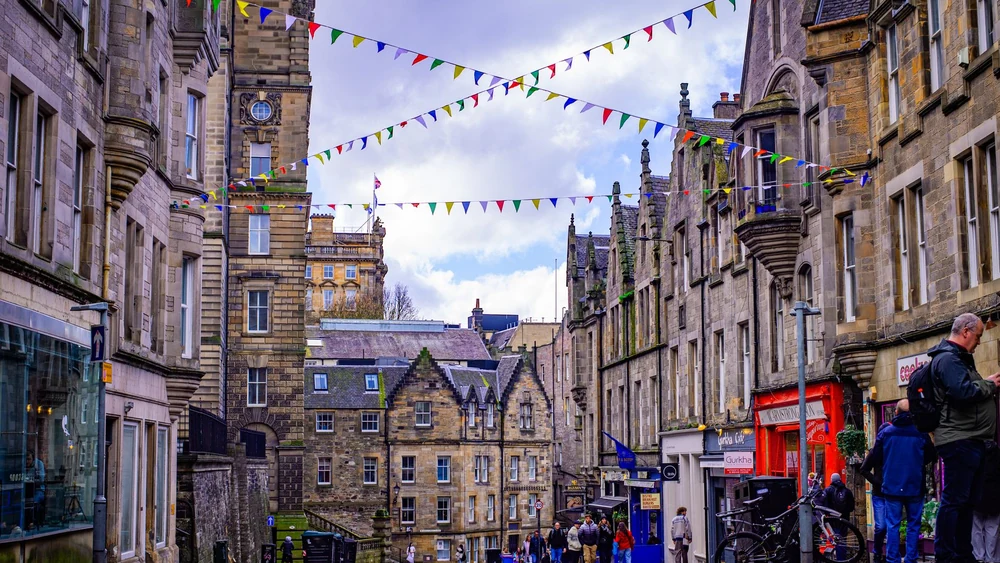
Image source: pexels.com
For the other side of British broadcasting, we also profile the people who read the news rather than write the jokes — see UK news presenters, journalists and broadcasters.
Frequently asked questions
How much do British comedians earn?
The average is about £26,778 a year, from roughly 3.2 shows a week. Reported earnings ranged from £0–£20 a gig to £600,000 a year, so the average describes almost nobody.
How big is the UK comedy industry?
Live comedy turns over around £1 billion a year — comparable to the UK fishing industry.
Do comedians get paid for panel shows?
Yes. Fees are negotiated individually and scaled to how well known the performer is, running into thousands of pounds per appearance. For most, the bigger value is the tour tickets it sells afterwards.
Why is Edinburgh so important to British comedy?
It is where an hour of material gets tested, reviewed and seen by television commissioners. It is also expensive enough that most performers lose money on it, which the industry’s own survey flagged as a growing barrier.
Is British comedy a viable career?
For a small number, extremely. For most, it is a portfolio of gigs, writing, hosting and corporate work — on circuit fees that have barely changed in thirty years while costs have roughly tripled.