How to Apply for Startup Grants in the UK: Step-by-Step Guide
Learn how to apply for startup grants in the UK with this step by step guide. Discover requirements, application tips, and funding opportunities.


Grant applications are assessed against published criteria by people scoring many submissions. Most rejections are not judgements on the idea — they are eligibility failures, unanswered criteria, or missing evidence. That is good news, because those are all avoidable.
Decide Whether the Award Justifies the Work
Before anything else, weigh the size of the award against the effort to win it and the obligations that follow. A small grant with a competitive application process and quarterly reporting can cost more in founder time than it delivers in cash. That is a legitimate reason not to apply, and it is a better decision than applying badly.
Where several schemes are open, this comparison also tells you which to prioritise. Applying properly to one is almost always better than applying weakly to three.
Check Eligibility Before Writing Anything

Image source: pexels.com
Eligibility is binary. Company age, size, location, sector, and whether you have already received other public funding are all common conditions, and failing any one of them ends the application regardless of merit. Confirm every stated condition against the funder’s own documentation before spending time writing.
Answer the Assessment Criteria, in Their Order
Published criteria are usually weighted, and assessors score section by section. An application that reads well but does not address a criterion scores zero on it. Take the criteria as your structure and answer each explicitly, using the funder’s own terminology rather than your own framing.
Evidence Beats Adjectives
“Significant market opportunity” scores nothing. A cited market size, a named comparable, a letter of intent from a customer, or a quoted supplier cost all score. Where you assert something, show where the figure came from.
Cost the Project Properly
Budgets that are round numbers with no breakdown suggest the project has not been planned. Itemise costs, show how each relates to the activity being funded, and check which categories the scheme actually covers — many exclude ordinary salaries, existing overheads, or costs already incurred.
Understand Match Funding Before You Commit
Many grants fund only part of a project and require you to provide the rest. If match funding is required, confirm where yours is coming from before applying, because you may be asked to evidence it.
Deadlines Are Absolute
Competitive grant rounds close at a stated time and late submissions are not read. Portals slow down near deadlines and documents get rejected for format reasons. Submit with a day to spare rather than an hour.
Do Not Reuse One Application Everywhere
Assessors recognise a generic application immediately, because it answers a different scheme’s questions. Reuse your evidence and your costings; rewrite the answers.
Write About the Project, Not the Company
Grants fund defined projects with a start, an end and specific deliverables. Applications that describe how good the business is, rather than what this particular project will do and produce, consistently score badly. Define the activity, its duration, its outputs and how you will know whether it worked.
This is the single most common structural error in grant writing. The assessor is not deciding whether to back your company; they are deciding whether to fund a piece of work.
Understand What the Funder Is Trying to Achieve
Every scheme exists to deliver an outcome its funder cares about — regional employment, decarbonisation, commercialising research, or supporting a particular sector. Applications that connect their project to that objective score better than equally good applications that ignore it. The objective is usually stated plainly in the scheme documentation.
Letters of Support Should Be Specific
Where partners or customers are named, generic endorsement letters add little. A letter that states what that organisation will actually contribute — access, data, staff time, a trial site, a committed order — is evidence. One that says the project sounds promising is not.
Plan for the Reporting After the Award
Grant funding brings obligations: progress reports, evidenced spend, and sometimes audits. These take time you have not budgeted for if you have not read the terms. Check what the reporting burden is before applying, because on a small award it can outweigh the benefit.
Read the Scoring Weights Before Deciding Where to Spend Effort
Where criteria carry different weights, effort should follow the marks. A section worth a quarter of the total deserves more of your attention than one worth five per cent, and founders routinely get this backwards by writing at length about the parts they find most interesting. If weightings are published, use them as a plan for how long each answer should be.
It is also worth checking whether any criterion carries a minimum threshold. Some schemes reject applications that score below a floor on a single section regardless of the total, which makes a weak answer fatal rather than merely costly.
Give the Writing Enough Time
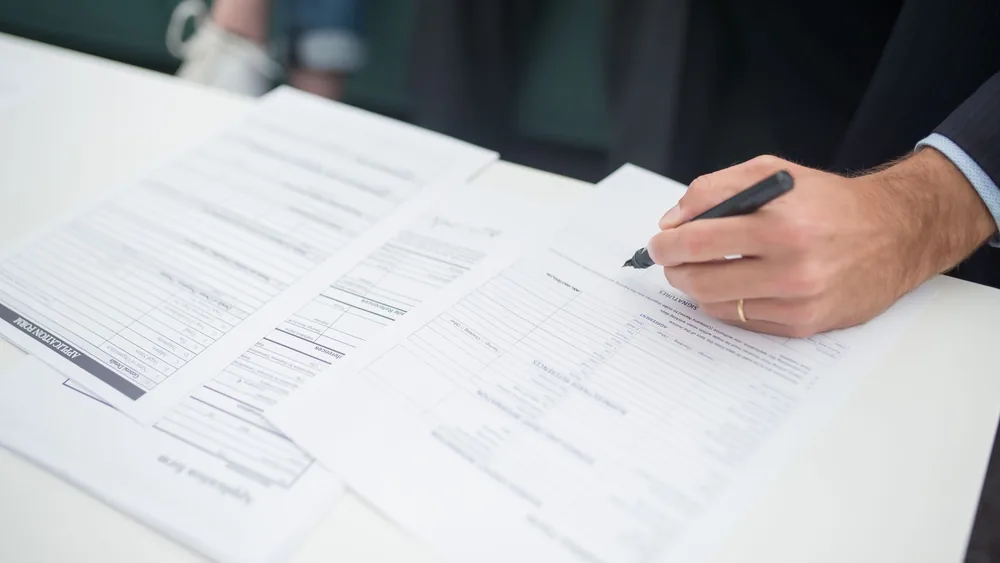
Image source: pexels.com
A competitive application is not a weekend task. Gathering costings, securing letters, and drafting answers against weighted criteria typically takes weeks of intermittent work, and the final assembly always takes longer than expected. Work backwards from the deadline and start earlier than feels necessary.
If the person writing it is also running the business, be realistic about whether that is possible in the time available. A rushed application to a competitive scheme is often worse than no application, because it consumes the time without a plausible chance.
Consortium and Collaborative Applications
Some schemes fund consortia rather than single companies, and these carry extra requirements: a lead partner, agreed cost splits, and often a written collaboration agreement setting out who owns any resulting intellectual property. Agree the IP position in writing before submitting, not after an award, because that is when it becomes contentious.
What Happens After You Submit
Assessment periods commonly run to several weeks or months, and some schemes add an interview or panel stage for shortlisted applicants. Do not build cash flow plans around an expected award date, and keep other funding conversations running in parallel until a decision arrives.
Ask for Feedback if You Are Rejected
Most competitive schemes provide assessor feedback on request, and it is specific enough to be genuinely useful. The same project, resubmitted to the next round with the scored weaknesses addressed, often succeeds. Treat a first rejection as information rather than a verdict.
Final Thoughts
For many founders, startup grants UK programmes represent an opportunity to access funding without debt or equity loss.
However, successful grant applications rarely happen by accident. They require research, preparation, and careful alignment with the goals of the funding programme.
By identifying suitable grants, preparing strong documentation, and presenting a clear project proposal, entrepreneurs can significantly improve their chances of securing funding.
While the process may take time, the potential benefits — particularly for early-stage startups — can make the effort worthwhile.
For founders willing to navigate the process carefully, grant funding can provide a valuable stepping stone toward building a sustainable and successful business.
FAQs
1. How do I apply for startup grants in the UK?
To apply for startup grants in the UK, founders must identify suitable grant programmes, prepare business documentation, submit a project proposal, and complete the application process through the funding organisation.
2. Are startup grants in the UK difficult to obtain?
Startup grants can be competitive because many businesses apply for limited funding opportunities. Strong proposals and clear project plans improve the chances of success.
3. Do I need a business plan to apply for a grant?
Yes, most grant programmes require a business plan or project documentation to demonstrate how the funding will be used.
4. How long does the grant application process take?
The evaluation process can take several weeks or months depending on the programme and the number of applications received.
5. Can early-stage startups apply for grants?
Yes, many grant programmes are specifically designed for early-stage businesses developing new products, technology, or innovative solutions.
Author Bio
Rajiv Gupta has more than 10 years of experience in digital media and online publishing. He runs Union Post, which covers UK business, finance and entertainment.
Disclaimer
This article is for informational purposes only and does not constitute financial or investment advice. Grant availability, eligibility criteria, and funding programmes may change over time. Entrepreneurs should conduct independent research or consult financial professionals before making funding decisions.