Andrew Neil: Career, Journalism, Broadcasting & Political Commentary
Explore Andrew Neil's career, BBC success, political interviews, Times Radio role, and influence on British journalism.

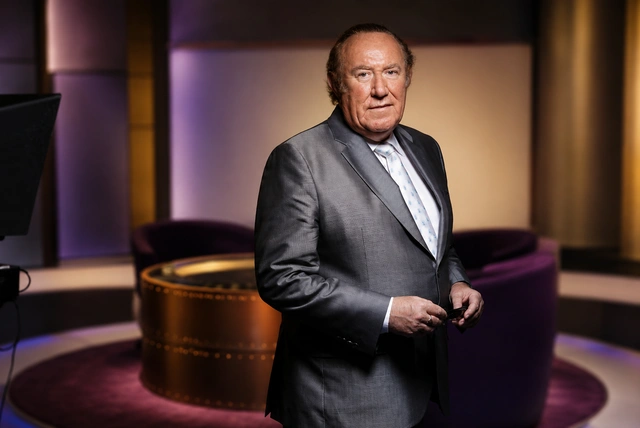
Have you ever watched a political interview and wondered why some politicians seem completely comfortable while others suddenly look nervous? For decades, one name often caused that reaction in British politics: Andrew Neil. Known for his sharp questions, deep research, and calm but relentless interviewing style, Andrew Neil became one of the most respected figures in British journalism. His career has stretched across newspapers, television, radio, publishing, and political commentary, making him one of the most influential media personalities in the United Kingdom.
What makes Andrew Neil’s story so interesting is that he did not become famous overnight. His journey began in Scotland, where a young student with a passion for politics slowly built a career that would eventually place him in front of prime ministers, world leaders, and major public figures. From editing The Sunday Times to becoming one of the most recognizable faces on BBC political programming, and later helping launch GB News before joining Times Radio, Andrew Neil has played a major role in shaping political discussion in Britain. His story is not just about journalism. It is about curiosity, determination, and the belief that powerful people should always be held accountable for their words and actions.
Andrew Neil Biography and Quick Facts
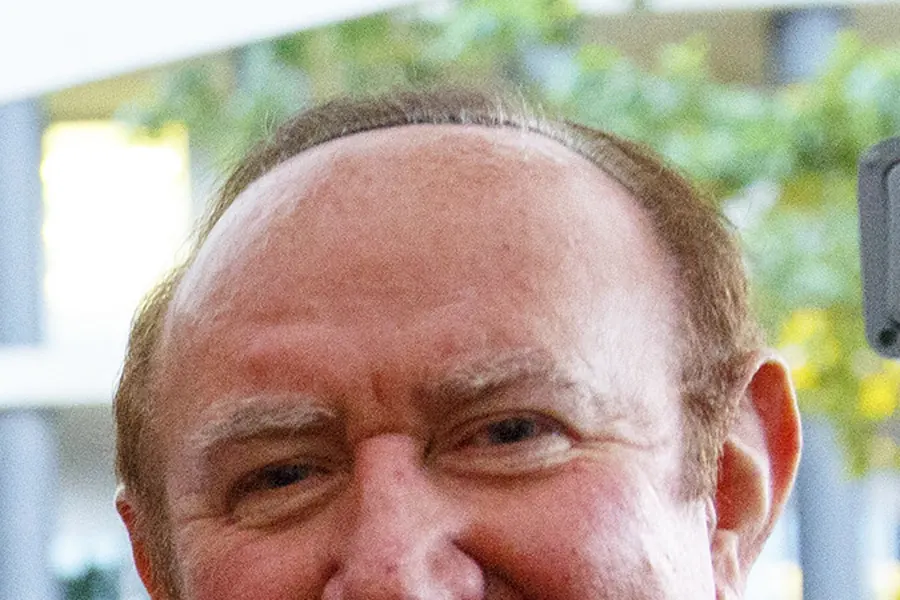
| Full Name | Andrew Ferguson Neil |
|---|---|
| Date of Birth | 21 May 1949 |
| Age | 77 Years (as of 2026) |
| Birthplace | Paisley, Renfrewshire, Scotland |
| Nationality | British |
| Profession | Journalist, Broadcaster, Political Commentator |
| Education | University of Glasgow |
| Known For | Political Interviews, BBC Programmes, The Sunday Times |
| Major Organisations | BBC, The Sunday Times, The Spectator, Times Radio, Channel 4, GB News |
| Notable Programmes | Daily Politics, This Week, Sunday Politics, Politics Live, The Andrew Neil Show |
Disclaimer: This article is based on publicly available information from reputable media and biographical sources available at the time of publication.
Early Life: The Scottish Roots That Shaped Andrew Neil
Long before he became one of Britain’s toughest political interviewers, Andrew Neil was growing up in Paisley, Scotland. Like many young people interested in current affairs, he developed a curiosity about politics and public debate at an early age. He attended Paisley Grammar School before moving on to the University of Glasgow, where he studied political economy and political science. University life gave him more than just academic knowledge. It provided a platform to discuss ideas, challenge opinions, and develop the critical thinking skills that would later become the foundation of his journalism career.
During his student years, Neil became involved in university journalism and public debate. Those experiences helped him learn how to question assumptions and examine evidence carefully. According to Wikipedia, these early years played an important role in shaping the analytical approach that later became famous throughout British broadcasting. After graduation, he began working in journalism, taking his first steps into a profession that would eventually make him one of the most recognizable faces in UK media.
How Andrew Neil Built His Reputation in Journalism
Every successful journalist has a period where they learn the fundamentals of reporting, and Andrew Neil was no exception. His professional career started in local journalism before he joined The Economist in 1973. Working at one of the world’s most respected publications exposed him to political reporting, economic analysis, and international affairs. It was the perfect training ground for a young reporter eager to understand how governments, businesses, and institutions operate.
At The Economist, Neil gradually earned recognition for his analytical skills and strong understanding of politics. Rather than simply reporting events, he focused on explaining why events mattered and how they could affect society. This ability to combine reporting with analysis became one of his greatest strengths. Readers who appreciate the careers of journalists such as Clive Myrie and Fiona Bruce will recognize a similar commitment to accuracy, preparation, and thoughtful reporting. These early experiences helped transform Andrew Neil from a promising reporter into a journalist capable of leading major news organisations.
The Sunday Times Years: A Career-Defining Opportunity
In 1983, Andrew Neil received the opportunity that would change his professional life forever. Rupert Murdoch appointed him editor of The Sunday Times, one of the most influential newspapers in Britain. The appointment surprised many people because Neil was still relatively young for such a prestigious role. However, he quickly demonstrated why he had been chosen.
Leading a major newspaper is like managing a small city. Editors must oversee investigations, decide which stories deserve attention, manage large teams, and maintain editorial standards. During his time at The Sunday Times, Neil supervised major investigations and helped strengthen the newspaper’s reputation for serious journalism. The role also elevated his public profile, transforming him from a respected journalist into a nationally recognized media figure. Similar to the way broadcasters such as Kay Burley and Susanna Reid became familiar faces to British audiences, Neil became one of the most influential voices in newspaper journalism.
Andrew Neil BBC Career and the Rise of a Political Interviewer
If newspaper journalism made Andrew Neil influential, television broadcasting made him famous. His BBC career lasted approximately twenty-five years and introduced him to millions of viewers across the United Kingdom. During this period, he presented programmes including Daily Politics, This Week, Sunday Politics, Politics Live, and The Andrew Neil Show.
What separated Andrew Neil from many interviewers was his preparation. Politicians arriving for interviews often knew they would face detailed questions supported by facts, statistics, and previous statements. Rather than focusing on dramatic confrontations, Neil concentrated on consistency and accountability. According to public profiles and BBC coverage, this approach earned him a reputation as one of Britain’s toughest political interviewers. His influence can still be seen in modern broadcasters such as Laura Kuenssberg and Naga Munchetty, who continue to bring detailed political analysis to British audiences.
Andrew Neil Political Interviews: Why Politicians Respected and Feared Them
For many people, the name Andrew Neil immediately brings to mind difficult political interviews. Over the years, prime ministers, opposition leaders, cabinet ministers, and public figures have all faced his questioning. What made these interviews memorable was not aggression or confrontation. Instead, it was the amount of research behind every question. Neil became known for reading speeches, reviewing policy documents, and examining previous statements before an interview even began.
This preparation often allowed him to identify contradictions and challenge public figures when their answers did not match earlier comments. Viewers appreciated this approach because it focused on facts rather than political theatre. Many of his interviews became major talking points across newspapers, television programmes, and social media. In a media environment where quick headlines often dominate discussion, Andrew Neil’s interviewing style reminded audiences that journalism can still be about accountability and careful examination of evidence.
Leaving Sunday Politics and a New Chapter in Broadcasting
By 2017, Andrew Neil had become one of the most familiar faces on BBC political television. According to The Guardian, he stepped down as presenter of Sunday Politics as part of wider changes to BBC political programming. For many viewers, it felt like the end of an era. The programme had become an important platform for political debate and analysis, and Neil’s presence was a major reason for its popularity.
Although he left Sunday Politics, he remained active within BBC broadcasting and continued presenting other political programmes. This period demonstrated an important lesson that can be seen throughout Andrew Neil’s career. Rather than remaining tied to a single programme or role, he consistently adapted to changes in the media industry. That flexibility allowed him to remain relevant while many broadcasters struggled to adjust to evolving audience habits and digital media trends.
Andrew Neil GB News Journey and Departure
After leaving the BBC, Andrew Neil entered one of the most discussed chapters of his career. He became the founding chairman of GB News and helped launch the channel in 2021. The project attracted significant attention because it aimed to introduce a new voice into the British television news market. Many people saw Neil as the ideal figure to lead such an ambitious venture because of his experience in journalism, publishing, and broadcasting.
However, his time at GB News proved relatively short. Later in 2021, he stepped away from the organisation following disagreements about the channel’s direction. Despite the brief period, his involvement remained an important part of the channel’s early development. The experience demonstrated both the opportunities and challenges involved in launching a new media organisation in an increasingly competitive broadcasting environment. Much like Piers Morgan and Jeremy Clarkson, Neil showed a willingness to take risks and explore new opportunities even after establishing a successful career.
Channel 4, Times Radio and Life After the BBC
Many broadcasters would consider retirement after achieving success in newspapers and television, but Andrew Neil has continued to remain active. Following his departure from GB News, he returned to television through Channel 4, where he hosted political interview programmes and continued analysing major events affecting the United Kingdom. His return demonstrated that audiences still valued his experience and ability to explain complex political developments.
At the same time, Neil expanded his presence in radio through Times Radio. The Andrew Neil Times Radio show allows listeners to hear in-depth conversations about politics, economics, international affairs, and public policy. Radio offers a different experience from television because discussions can explore issues in greater detail. This format suits Neil’s analytical style and allows him to examine topics beyond the headlines. Today, Times Radio remains one of the key platforms through which he continues contributing to public debate and political discussion.
Andrew Neil, The Spectator and His Influence Beyond Broadcasting
Although television made Andrew Neil famous, publishing remained an important part of his career. He spent many years associated with The Spectator and also held senior positions within publishing organisations. These roles allowed him to influence public discussion beyond television screens and radio studios. His work often combined journalism, economics, politics, and business, creating a broader perspective than many commentators possess.
According to public speaker profiles, Neil is also a sought-after commentator and keynote speaker who regularly discusses media, leadership, economics, and global affairs. His ability to explain complicated topics in clear language has helped him connect with audiences from different backgrounds. Readers interested in influential public figures may also enjoy learning about the broadcasting careers of Gary Lineker and Micah Richards, who have similarly expanded their influence beyond their original professions.
Why Andrew Neil’s Legacy Still Matters Today
In modern journalism, trust is one of the most valuable qualities a broadcaster can earn. Throughout his career, Andrew Neil built that trust by focusing on preparation, evidence, and accountability. Whether interviewing politicians, editing newspapers, hosting television programmes, or presenting radio shows, he consistently encouraged public figures to explain and defend their decisions. That approach has influenced generations of journalists and broadcasters.
His legacy is not defined by a single programme, interview, or publication. Instead, it is the result of decades spent asking important questions and helping audiences understand complicated issues. In an age where information moves faster than ever, the principles that guided Andrew Neil’s career remain highly relevant. Accuracy, fairness, preparation, and critical thinking continue to be essential qualities for anyone working in journalism or public communication.
Andrew Neil’s journey from a young Scottish student to one of Britain’s most respected journalists demonstrates what can be achieved through curiosity, discipline, and hard work. Across newspapers, television, radio, and publishing, he has influenced public debate for more than five decades. From leading The Sunday Times and becoming a defining figure at the BBC to helping launch GB News and contributing to Times Radio, his career reflects the changing face of British media itself. For readers interested in journalism, broadcasting, or politics, Andrew Neil’s story offers valuable lessons about persistence, preparation, and the importance of asking the questions that others might avoid. As media continues to evolve, his impact on British political journalism remains impossible to ignore.
Frequently Asked Questions
Who is Andrew Neil?
Andrew Neil is a Scottish-born journalist, broadcaster, editor, and political commentator. He is known for editing The Sunday Times, presenting BBC political programmes, and conducting detailed political interviews.
Why is Andrew Neil famous for political interviews?
Andrew Neil became famous because of his extensive preparation and fact-based questioning. He often challenged politicians using previous statements, statistics, and evidence, making his interviews highly respected among viewers.
Was Andrew Neil editor of The Sunday Times?
Yes. Andrew Neil served as editor of The Sunday Times from 1983 to 1994. During his leadership, the newspaper strengthened its reputation for investigative journalism and political reporting.
What happened between Andrew Neil and GB News?
Andrew Neil helped launch GB News as its founding chairman and presenter. However, he left the organisation in 2021 following disagreements regarding the channel’s future direction.
Is Andrew Neil still on Times Radio?
Yes. Andrew Neil continues contributing to Times Radio through political analysis, interviews, and discussions on current affairs and public policy.
What programmes did Andrew Neil present on the BBC?
Andrew Neil presented several major BBC political programmes, including Daily Politics, Sunday Politics, This Week, Politics Live, and The Andrew Neil Show.