Taking Payments: Methods, Costs and What Suits Your Business
Card, bank transfer, direct debit and cash all differ in cost, speed and how much chasing they save you.

How you take money affects your cash position as much as what you charge. The right mix depends on who your customers are and how the work is delivered, and getting it right removes a large share of credit control work before it starts.
Bank Transfer Is Cheapest and Slowest to Arrive
Direct transfer costs almost nothing and puts the timing entirely in the customer’s hands. It suits invoiced business-to-business work where terms are agreed, and it is the worst option where you want payment at the point of sale.
Card Payments Cost a Percentage and Remove Friction

Image source: pexels.com
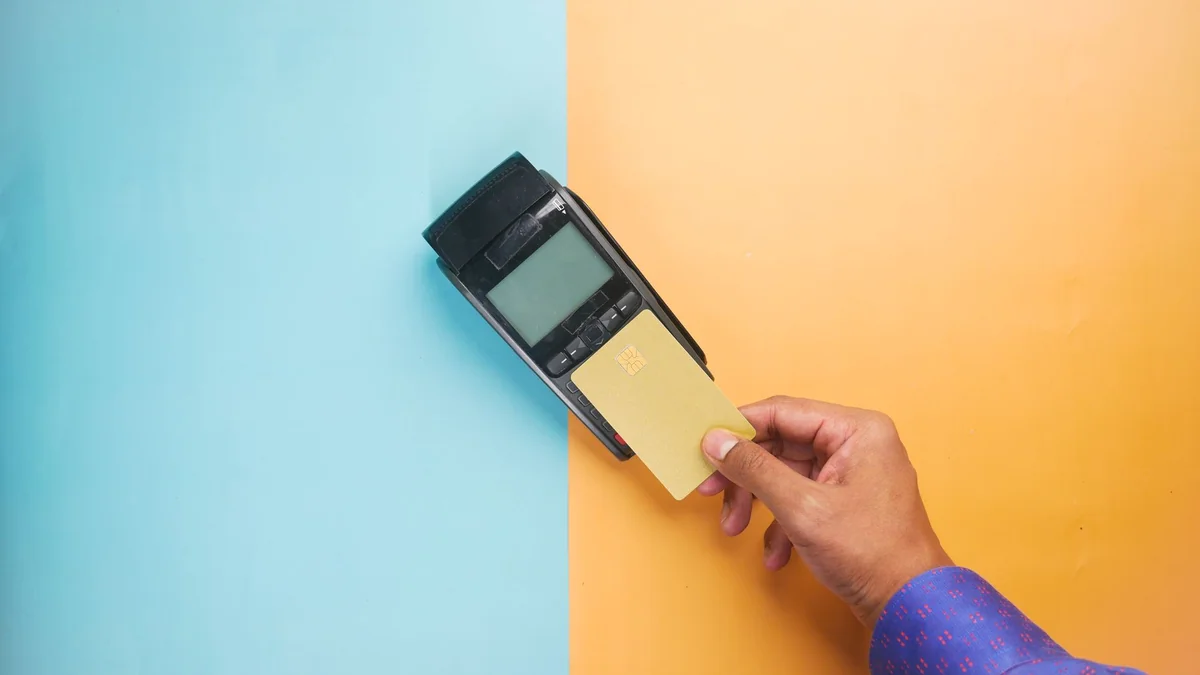
Card acceptance carries a fee per transaction, usually a percentage plus a fixed amount. That fixed element matters disproportionately on low-value sales. Against the cost, cards get you paid immediately and remove the most common reason for late payment, which is inertia.
Understand the Settlement Delay
Money taken by card does not arrive instantly. Providers settle after a period, sometimes several days, and hold rolling reserves in some cases. Know your settlement timetable, because it is the difference between a sale and available cash.
Direct Debit for Anything Recurring
For subscriptions, retainers or regular services, direct debit is transformative: payment happens automatically, on time, without anyone remembering. It requires a provider and a mandate, and it removes most recurring collection problems.
Deposits and Stage Payments
For larger work, taking a deposit up front and staging the balance protects cash flow and filters out customers who were never going to proceed. It is normal practice in most trades and customers rarely object when it is stated at the quote stage.
Cash Has Costs Too
Handling cash means counting, securing, banking it and reconciling, and banks increasingly charge for deposits. It is not free simply because there is no transaction fee, and the time cost is genuine.
Buy Now Pay Later and Instalments
Offering instalments can increase conversion on higher-value sales, usually at a cost to you per transaction. Understand who carries the risk if the customer defaults, since that varies between providers and materially changes the value of the arrangement.
Check the Provider Is Authorised
Payment services are regulated. Check any provider on the FCA’s Financial Services Register before signing, particularly where they will hold your money between collection and settlement. Confirm the reference number matches the entity you are contracting with.
Compare on Total Cost, Not Headline Rate
Providers differ in monthly fees, per-transaction pricing, terminal rental, chargeback fees and minimum contracts. Model the cost against your actual volume and average transaction value rather than comparing advertised percentages.
Watch the Contract Length
Terminal and payment contracts frequently run for years with steep exit fees, and this market has a poor reputation for aggressive selling. Never sign on a first call, and read the term and termination clauses before agreeing anything.
Chargebacks Are a Real Risk
A disputed card payment can be reversed months later, with a fee, and the burden of evidence is on you. Keep records of delivery and customer communication, particularly for higher-value or remote sales.
Invoice Promptly Whatever Method You Use
No payment method compensates for invoicing late. Sending the invoice the day work completes is the single largest improvement most small businesses can make to when money arrives, and it costs nothing.
State the Payment Method on the Invoice
Bank details, a payment link, or how to pay by card should be on the document itself. Customers who have to ask how to pay you frequently postpone doing so, and the delay is entirely self-inflicted.
Never Store Card Details Yourself
Recording card numbers in notes, emails or spreadsheets creates security obligations most small businesses cannot meet and is a serious risk. Use a provider that handles storage, and delete anything you already hold.
Match the Method to the Transaction
A one-off consumer sale, a recurring service and a large invoiced project all suit different methods. Offering everything to everyone adds cost and complexity; offering the right thing for each type of sale is what actually improves collection.
Reconcile Payouts Against Sales
Providers pay out net of fees and sometimes in batches covering several transactions. Recording only what arrives understates both revenue and costs. Matching payouts to the underlying sales is what keeps bookkeeping accurate.
Watch the Cost of Small Transactions

Image source: pexels.com
Where fees include a fixed element, low-value sales can lose a substantial share of margin to processing. A minimum order value, or bundling, is frequently more effective than shopping for a marginally better rate.
Test Before You Rely On It
Run a real transaction through any new payment route, including a refund, before using it with customers. Refunds in particular are where unfamiliar systems cause problems, usually at the least convenient moment.
Reconcile Card Takings Daily Where Volume Is High
Matching what the terminal reports to what the till recorded catches errors, unrecorded refunds and occasionally theft. Left to the month end, discrepancies are almost impossible to trace back to a specific day.
Consider Who Pays the Fee
Some businesses add a surcharge for card payments, which is restricted for consumer transactions and can damage goodwill. Building the cost into your prices is usually the cleaner approach, and it avoids an argument at the point of sale.
Keep Payment Records With the Sale
Matching each payment to the invoice or order it settles is what makes reconciliation possible. Payments arriving with no reference, or part-payments across several invoices, are where small business records most often become tangled.
Check Fees Annually
Payment processing rates drift upward and providers rarely announce it. An annual look at what you are actually paying, against what is currently available, regularly finds a better rate for the same service.
Understand Refund Timing
Refunds frequently take several working days to reach the customer, which generates complaints if not explained. Telling people the expected timescale at the point of refund prevents most of the follow-up chasing.
Keep a Backup Method
Terminals fail, providers have outages and cards get declined. Having a second way to take money — even a bank transfer as a fallback — prevents a technical problem becoming a lost sale.
Make It Easy Rather Than Cheap
Every point of friction delays payment. Offering the method your customers prefer, even at a modest cost, is usually better than saving a percentage and waiting an extra fortnight. On a small business website, that means a visible, obvious way to pay.