Selling Online: Ecommerce Basics for UK Small Businesses
Setting up a shop is the easy part. The obligations, costs and logistics decide whether it works.

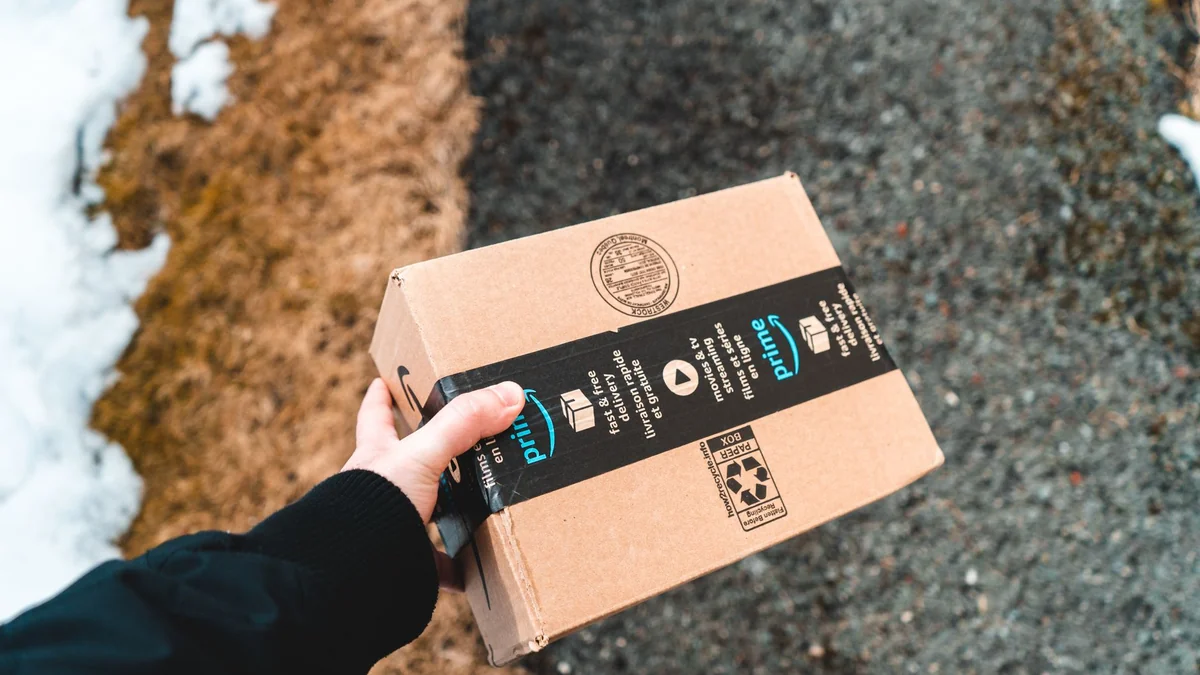
Building an online shop has never been simpler, which means the difficulty has moved elsewhere: to obligations, unit economics and delivery. These are the parts that decide whether selling online is profitable, and they sit alongside general online business ideas considerations.
Your Own Site or a Marketplace
A marketplace brings traffic and takes fees, competition on the same page, and the customer relationship. Your own site keeps the margin and the data and leaves you to solve traffic. Many businesses start on a marketplace to prove demand and build their own channel alongside.
Consumer Rights Are Not Optional

Image source: pexels.com
Selling to consumers at a distance brings statutory obligations: clear pre-contract information, a cancellation period for most goods, and defined refund duties. These cannot be written out of your own terms, and getting them wrong is a common early error.
Show Who You Are
Business identity details must appear on the site — for a company, the registered name, number and office as held at Companies House. A shop with no identifiable seller behind it also converts worse, so this is commercial as well as legal.
Work Out the Unit Economics First
Product cost, payment fees, platform fees, packaging, postage, returns and advertising. Many products that sell well are barely profitable once all of it is counted. Do this calculation before spending on marketing, and revisit it when you review pricing your product or service.
Returns Are a Cost Centre
Online return rates surprise first-time sellers, and each return costs outbound postage, return postage, handling and sometimes an unsellable item. Clothing and anything size-dependent is worst. Build a realistic rate into pricing rather than treating returns as exceptional.
Delivery Is Part of the Product
Cost and speed influence conversion as much as price. Decide whether to absorb postage into the price or charge separately, and understand what your carrier covers when something is lost — you remain responsible to the customer regardless.
Packaging Matters More Than Expected
Damage in transit generates returns, refunds and poor reviews. Packaging that protects properly costs more per unit and less overall. It is also increasingly a point customers comment on, in both directions.
Get the Product Pages Right
Multiple clear photographs, accurate dimensions, materials, and honest descriptions reduce returns and complaints. Most disputes in online retail come from a gap between what the listing implied and what arrived.
Stock Visibility
Selling items you do not have produces cancellations and damages your marketplace standing. If you sell across more than one channel, make sure stock levels are synchronised, because overselling is a common and avoidable failure.
Data Protection Applies From the First Order
You will hold names, addresses and order histories. That brings obligations around what you collect, why, how long you keep it and how it is secured. Your data protection position should be settled before you launch rather than after.
Payment and Fraud
Card fees, chargebacks and fraudulent orders all come with selling online. Keep delivery evidence, be cautious with unusual high-value orders to new addresses, and never store card details yourself.
Reviews Compound Slowly
New sellers have none, which makes early sales harder and more expensive to win. Start with a narrow range you can deliver flawlessly rather than a broad catalogue you cannot support, and ask satisfied customers directly — this supports marketing on a limited budget more than most paid activity.
Get the Checkout Right
Most abandoned online sales happen at checkout: forced account creation, unexpected postage appearing late, too many fields, or no visible payment option the customer trusts. Simplifying this is usually the highest-return change available on an ecommerce site.
Show Delivery Cost Early
Postage revealed only at the final step is the single most cited reason for abandonment. Stating it on the product page, or offering a clear threshold for free delivery, converts considerably better.
Plan Your Returns Process Before Launch
Who pays return postage, how customers request it, what condition you accept, and how quickly you refund. Working this out during your first return, with a customer waiting, produces worse decisions and a poor impression.
Understand VAT on Online Sales
Selling online can bring VAT questions sooner than expected, particularly where sales grow quickly or cross borders. Monitor turnover on a rolling basis and take advice before assuming the position is straightforward.
Photographs Do Most of the Selling

Image source: pexels.com
Online, the images are the product until it arrives. Multiple angles, accurate colour, something for scale and a plain background outperform any amount of description, and poor photographs are the most common reason good products do not sell.
Write Descriptions for Humans First
Product text stuffed with search terms reads badly and converts worse. Describing what it is, what it is for and what is included answers the buyer’s actual questions, and that tends to perform better on search as well.
Make Contact Details Obvious
Online shoppers check that a real business is behind the site before buying, particularly from an unfamiliar seller. A visible phone number, address and response time converts better than any trust badge.
Test the Whole Journey Yourself
Buy something from your own shop, including delivery and a return. It reveals broken confirmation emails, confusing steps and unexpected charges in a way that clicking through admin screens never does.
Get the Basics of Search Right
Clear page titles, sensible URLs and descriptive image filenames cost nothing and help products be found. This is housekeeping rather than optimisation, and most small shops skip it entirely.
Handle Out of Stock Gracefully
Removing a listing entirely loses any search visibility it had built. Marking it unavailable, with an option to be notified, keeps the page and captures demand you would otherwise lose.
Make the Site Work on a Phone
The majority of ecommerce browsing happens on phones, frequently in short bursts. Test the whole purchase on an actual device rather than a narrow browser window — this is part of getting a small business website right rather than a separate concern.
Start Narrow
A small range delivered flawlessly builds the reviews and reliability that a broad catalogue cannot. Expanding once the operation works is considerably easier than fixing a wide range that is failing on fulfilment.
Plan for Peaks
Seasonal spikes strain stock, packing capacity and customer service simultaneously. Knowing in advance how many orders a day you can genuinely fulfil, and what happens beyond that, protects your customer service reputation at the moment most people are watching.