Best Online Business Ideas UK (Low Cost & Beginner Friendly)
The best online business ideas in the UK: low-cost, beginner-friendly options, start-up costs, and a step-by-step guide to building one from home.

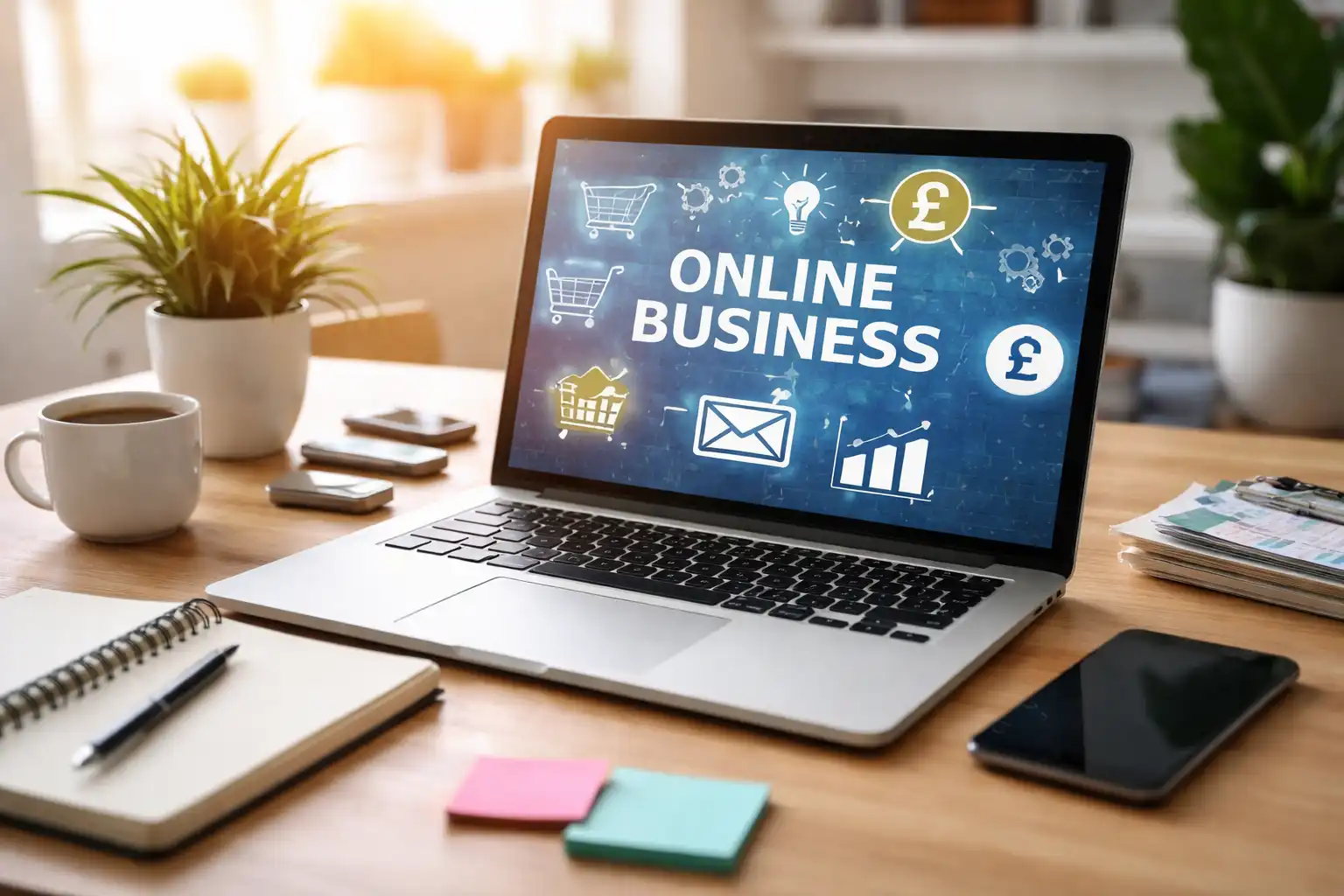
Starting an online business in the UK is cheap to begin and easy to get wrong, because the barriers that used to filter out unprepared entrants have largely disappeared. What separates the ones that work is rarely the business ideas themselves — it is understanding the obligations, the economics, and how customers will actually find you.
Register Properly From the Start
Trading online does not exempt you from the rules that apply to any business. You need to decide whether to operate as a sole trader or a limited company, register with HMRC, and keep proper records. Selling through a marketplace or a social platform does not change this, and platforms increasingly report seller income to tax authorities.
Selling to Consumers Brings Specific Duties
Image source: pexels.com
Distance selling rules give UK consumers rights that do not apply between businesses: clear pre-contract information, a cancellation period for most goods, and defined refund obligations. These are not optional terms you can write out of your own policy, and getting them wrong is a common early mistake for online sellers.
You also need accurate business details on your website, a privacy policy that reflects what you actually do with data, and terms that match how you really trade.
Watch the VAT Threshold
Growth in online sales can cross the VAT registration threshold faster than expected, particularly if you sell to consumers who cannot reclaim it. Crossing it changes your pricing, your record-keeping and your admin. Monitor turnover on a rolling basis rather than by financial year, since that is how the test works.
Dropshipping Is Harder Than It Looks
Dropshipping removes the need to hold stock, which is genuinely attractive, and it introduces problems that are less discussed. You control neither delivery times nor product quality, yet you remain the seller in the customer’s eyes and legally responsible for their rights. Margins are thin because competitors can list the same products, and imports may attract duty and VAT that erode them further.
It can work where you build a genuine brand and customer relationship around a curated range. It rarely works as a passive listing of whatever a supplier catalogue offers.
Marketplaces Versus Your Own Site
Marketplaces bring traffic you would otherwise have to buy, at the cost of fees, competition on the same page, and a customer relationship you do not own. Your own site keeps the margin and the data, and requires you to solve the traffic problem yourself. Many businesses start on a marketplace to prove demand and build their own channel alongside it.
Understand Your Unit Economics Before Scaling
Work out what one sale actually earns after product cost, payment processing, platform fees, packaging, postage, returns and advertising. Online businesses frequently discover that a product selling well is barely profitable once returns and delivery are included. That calculation should exist before you spend on marketing, not after.
Returns Are a Cost Centre
Consumer goods sold online carry return rates that surprise first-time sellers, and each return costs outbound postage, return postage, handling, and sometimes an unsellable item. Clothing and anything size-dependent is worst. Build a realistic return rate into your pricing rather than treating returns as exceptional.
Payment Processing and Fraud
Card processing carries a percentage plus a fixed fee per transaction, which matters disproportionately on low-value items. You also carry chargeback risk: a disputed payment can be reversed months later, with a fee. Understand what protection you have and keep delivery evidence.
Traffic Is the Actual Problem
Most online businesses fail from lack of customers rather than lack of product. Decide before launching how people will find you — search, social, marketplace, paid advertising or an existing audience — and be honest about how long each takes and what it costs. Search results take months; paid traffic works immediately and stops the moment you stop paying.
Ideas That Genuinely Suit Online Delivery
Digital products and services scale best because there is no per-unit cost or shipping: courses, templates, software, design, writing, bookkeeping, tutoring, consulting. Physical products can work well where you have a genuine niche or a differentiated brand, but they carry stock, storage and logistics that digital does not.
Service Businesses Reach Profitability Sooner
Selling your own time online requires almost no capital, and you find out quickly whether anyone will pay. The ceiling is your available hours, which is a real limitation — but a service business generating income from month one funds the experiments that a product business needs capital for. This is why small business ideas for students so often start with services.
Location Still Matters More Than Expected
Online does not mean location-independent. Your tax position, consumer law obligations, delivery costs and even payment processing all depend on where you are established. Selling into other countries adds their rules to yours. Businesses in smaller places sometimes find the strongest opportunities are local ones with an online front, which is where small business ideas for small towns and online models overlap.
The Alternative Is Employment
Running an online business is not obviously better than a remote job, and for many people it is worse: irregular income, no holiday pay, and every problem is yours. Roles such as amazon remote job opportunities and apple remote job opportunities offer stability that self-employment does not, and there is no shame in preferring it. If you want income without trading hours, small rental business ideas are worth comparing against an online venture before committing.
Data Protection Applies to You
Collecting customer names, addresses and payment details brings obligations around how that data is stored, what you tell people about it, and what happens if it is exposed. Small online sellers frequently assume these rules are for large companies. They are not, and a privacy policy copied from another site rarely describes what you actually do.
Product Safety and Description Rules
Goods sold to UK consumers must be safe, must match their description, and certain categories carry specific labelling or compliance requirements — electricals, cosmetics, toys and food among them. Importing to resell makes you responsible for compliance in a way that reselling from a UK wholesaler may not. Check the category rules before listing.
Delivery Is Part of the Product

Image source: pexels.com
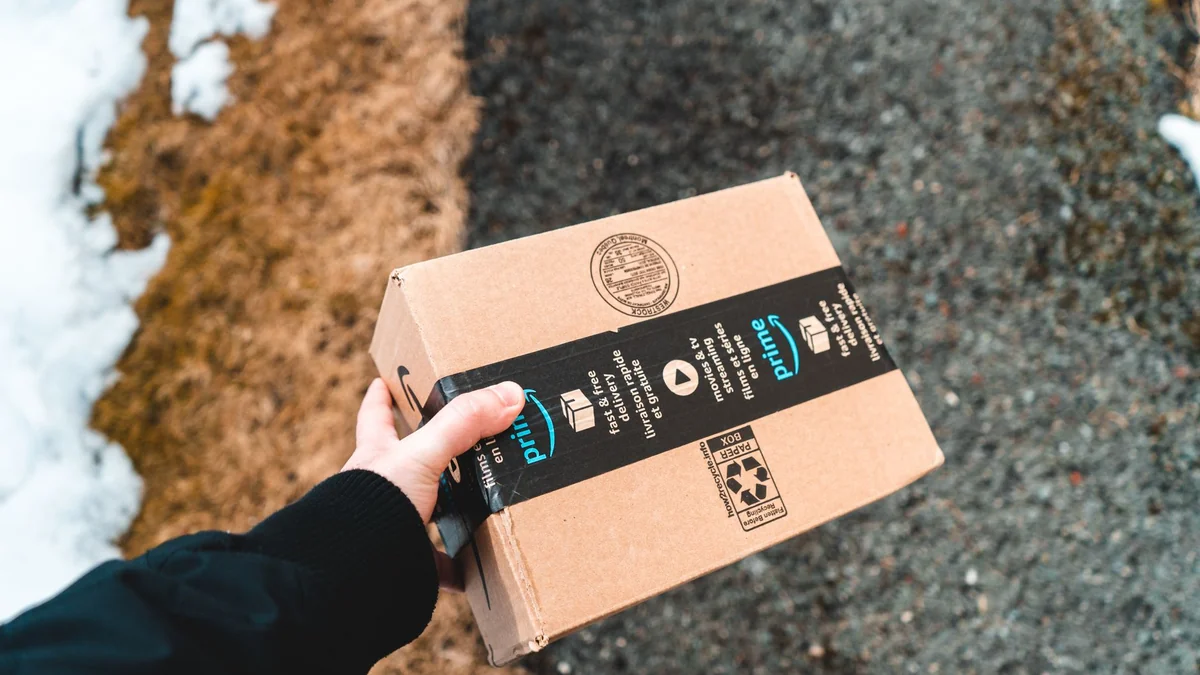
For physical goods, delivery cost and speed influence conversion as much as price does, and they are largely outside your control once handed to a carrier. Decide early whether to absorb postage into the price or charge it separately, and understand what your carrier covers when something is lost or damaged — you remain responsible to the customer either way.
Reviews Compound Slowly
Online buyers rely heavily on reviews, and a new seller has none. Early sales are therefore harder and more expensive to win than later ones, which is a reason to start with a narrow range you can deliver flawlessly rather than a broad catalogue you cannot support. Ask satisfied customers for reviews; most will not think to leave one unprompted.
Plan for Seasonality and Concentration
Many online niches are seasonal, and a business built on a single product or a single traffic source is fragile in a way that is invisible while it is working. Platform policy changes, algorithm shifts and supplier problems all remove a channel overnight. Building a second route to customers before you need it is cheaper than building one in a crisis.
Keep the Admin Manageable From Day One
Separate business banking, bookkeeping that is updated regularly rather than annually, and records of what you bought and sold will save more time than any productivity tool. Online businesses generate a high volume of small transactions, and reconstructing a year of them later is genuinely painful.
Start Small and Prove Demand
The cheapest way to test an online business is to sell something before building anything — take pre-orders, offer the service manually, or list a small batch. Demand proven with real money is worth more than any amount of planning, and it costs almost nothing to find out.
Conclusion
Online business in the UK offers many opportunities for beginners and experienced people. With the right idea and strategy, you can build a profitable business from home. The key is to start small, stay consistent, and keep learning. Success takes time, but with effort and patience, you can achieve long-term growth.
Disclaimer
This article is for informational purposes only and does not provide financial or legal advice. Always consult a professional before making business decisions.
FAQs
What are the best online business ideas in the UK for beginners?
Freelancing, affiliate marketing, dropshipping, blogging, and online tutoring are the best options. They are easy to start and need low investment.
Can I start an online business from home in the UK?
Yes, many online businesses like freelancing and e-commerce can be started and managed from home.
What is the cheapest online business to start in the UK?
Freelancing, blogging, and affiliate marketing are the cheapest options. They require little to no investment.
Which online business is most profitable in the UK?
E-commerce, digital products, and online courses are among the most profitable businesses.
Do I need to register an online business in the UK?
Yes, if you earn more than £1,000 per year, you need to register your business.
How much can you earn from an online business in the UK?
Earnings vary, but you can start with small income and grow to full-time earnings over time.
How long does it take to make money online in the UK?
Most online businesses take 3 to 6 months to generate income.
Is online business legal in the UK?
Yes, it is legal if you follow tax and business regulations.