Stock and Inventory Management for Small Businesses
Stock is cash on a shelf. ABC analysis, reorder points, little-and-often counts, shrinkage, clearing dead stock, year-end valuation and when to move off the spreadsheet.

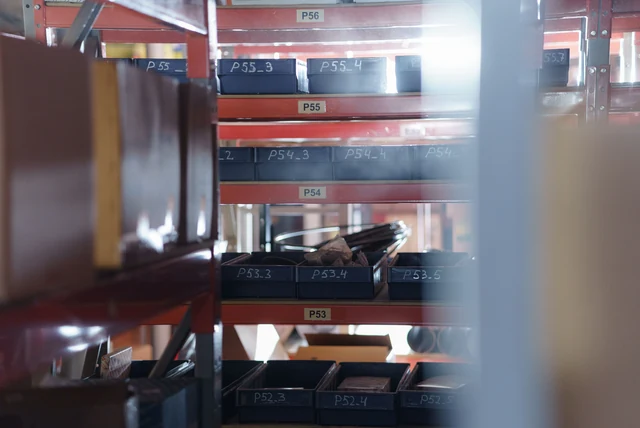
Tom runs a bike shop in Norwich, and last spring he could not understand why the business felt broke. Sales were up and customers were happy. Then his accountant walked him through the stockroom: £38,000 of parts and accessories, a third of which had not sold in over a year. The money he was looking for was sitting on shelves in cardboard boxes. Good stock management is not about counting things for the sake of it. It is about holding enough to keep customers happy, and not a penny more than you need.
| Stock habit | What it protects |
|---|---|
| Know your top-value lines | Your attention goes where the money is |
| Set reorder points | No stockouts, no panic buying |
| Count little and often | Errors and theft are spotted early |
| Clear slow stock regularly | Cash comes back into the business |
| Value stock correctly | Accurate profit and tax figures |
Stock is cash in disguise

Image source: pexels.com
Every box on the shelf is money you have already spent and cannot use for anything else. It cannot pay wages, cover a tax bill or fund a new opportunity until someone buys it. That is why businesses holding lots of stock can feel short of cash even when they are profitable on paper. Tom’s £38,000 included £12,000 of items that had not moved for a year — money that could have covered three months of rent. Treat stock as part of your cash planning, not a separate topic. When you build a cash flow forecast, include when you pay for stock as well as when you expect to sell it, because the gap between the two is where small businesses get squeezed.
Focus on the few lines that matter most

Image source: pexels.com
In most businesses a small number of products carry most of the value. This is the idea behind ABC analysis. Your “A” items are the handful that make up most of your stock value or sales; “B” items matter less; “C” items are the long tail of cheap, slow lines. Watch the A items closely, count them often and never let them run out. Manage the C items loosely — a box of inner tubes does not need weekly attention. Tom found that forty products out of more than eight hundred made up well over half his stock value. Once he knew which forty, he knew where to spend his time.
Reorder points, not gut feel

Image source: pexels.com
Running out of a best-seller loses sales; over-ordering ties up cash. A simple reorder point solves both. Work out how many of an item you sell in a typical week, multiply by how many weeks the supplier takes to deliver, and add a small safety buffer for busy periods or late deliveries. When stock falls to that level, you re-order. Adjust it for seasons — Tom now raises his reorder points for lights and mudguards every autumn. Ask suppliers about minimum order quantities and delivery times honestly, because a cheap price on a large order is not a bargain if the stock sits there for a year.
Make suppliers part of the plan
Your supplier relationships decide how much stock you need to hold. Shorter, more reliable delivery times mean lower reorder points and less cash on the shelf. Ask whether a supplier will accept smaller, more frequent orders, even at a slightly higher unit price; it often works out cheaper once you count the cash you free up. For new or uncertain lines, ask about sale-or-return or trial quantities, so you are not stuck with a pallet of something nobody wants. Negotiate payment terms too: being able to pay thirty days after delivery means some stock is sold before you have paid for it. Keep at least one alternative supplier for your most important lines in case the main one lets you down.
Count little and often

Image source: pexels.com
Many small businesses do one enormous stocktake a year and dread it. Cycle counting is easier and more accurate: count a small section every week, so every item is checked several times a year and your A items more often. Differences between what the system says and what is on the shelf then show up while there is still time to find out why — a miscounted delivery, a sale not recorded, or something walking out of the door. Record adjustments properly so your figures stay reliable, following the basics of bookkeeping and keeping the paperwork described in our record keeping guide.
Shrinkage is real

Image source: pexels.com
Some stock simply disappears. The British Retail Consortium’s 2026 crime survey recorded around 5.5 million detected incidents of shoplifting in a single year, costing retailers close to £400 million in detected losses alone — and much theft is never noticed. Losses also come from damage, supplier short deliveries, admin mistakes and, occasionally, staff. Check deliveries against the order before signing, keep high-value items where staff can see them, limit who can adjust stock records, and investigate patterns rather than one-off gaps. Our guides to managing business risk and business fraud cover the wider picture.
Clear the dead stock

Image source: pexels.com
Old stock is worth what someone will pay for it today, not what you paid for it. Holding on in the hope of getting the full price usually means it loses value further while taking up space and cash. Set a rule — for example, anything unsold after six months gets reviewed, and after twelve it gets cleared through a sale, bundle, trade buyer or online marketplace. Tom cleared £12,000 of slow lines for £7,500 in a winter sale, and used the money to stock more of what actually sold. For your accounts, stock should be valued at the lower of cost and net realisable value, so damaged or obsolete items are written down rather than carried at their original price.
Plan for the seasons
Most businesses have busy and quiet periods, and stock should follow them. Look back at last year’s sales month by month and build up stock ahead of the peak rather than during it, when suppliers are busiest and delivery times stretch. Then plan the wind-down just as carefully, so you are not left with a storeroom of seasonal lines in the quiet months. Tom orders winter lights in August and stops re-ordering them in December, clearing what is left in a January sale. Matching stock to the calendar keeps customers happy at the busy times and keeps cash free when trade is slower.
Stock, tax and your year end
Stock affects your profit figure, and therefore your tax. Under traditional accruals accounting, unsold stock at the year end is counted and valued, and only the cost of what was actually sold reduces profit. Since 6 April 2024 the cash basis has been the default for sole traders and partnerships, and it generally deducts purchases when they are paid for, which treats stock quite differently. Limited companies use accruals. Because the rules affect how much tax you pay and when, ask your accountant which basis suits you and how to count and value stock at the year end.
When to move off the spreadsheet

Image source: pexels.com
A spreadsheet works well for a few dozen lines sold in one place. Once you have hundreds of products, sell in a shop and online, or have several people updating stock, dedicated software that links your till, website and accounts saves time and prevents selling items you no longer have. If you sell online, our guide to ecommerce basics explains how stock syncing affects customer experience, and choosing business software covers picking a tool without paying for features you will never use.
What changed for Tom
Tom now knows his top forty lines by heart, re-orders them at set levels, counts a different aisle every Friday and clears anything that has not moved in twelve months. His stock value has fallen from £38,000 to £26,000, yet he runs out of best-sellers less often than before, and the £12,000 released went straight into his cash buffer. Stock management is not glamorous, but it is one of the quickest ways a small business can free up money it already has.
Frequently asked questions
What is stock management?
Keeping the right amount of stock to meet demand, while avoiding tying up too much cash in items that sit on the shelf.
How do I work out a reorder point?
Multiply your typical weekly sales by the supplier’s delivery time in weeks, then add a small safety buffer for busy periods or delays.
What is ABC analysis?
Grouping stock by value so you focus closely on the few high-value A items and manage the many low-value C items more loosely.
How should stock be valued for accounts?
At the lower of cost and net realisable value, so damaged, obsolete or slow-moving items are written down to what they will realistically sell for.
How often should I count stock?
Little and often. Counting a section each week catches errors and theft early and avoids one huge annual stocktake.
How much does shoplifting cost UK retailers?
The BRC’s 2026 crime survey recorded about 5.5 million detected shoplifting incidents, costing nearly £400 million in detected losses.
This article is general information, not accounting or tax advice. Stock valuation and the cash basis rules can affect your tax; check your position with an accountant.