Equity Crowdfunding for UK Startups: What It Really Costs
Real money and real shareholders, both lasting a long time. What a campaign costs, the honest success rates, and the EIS limits that doubled in April 2026.


Maya spent eleven weeks making a two-minute video about her oat-milk brand, then watched a progress bar for a month. She raised £340,000 from 620 people, most of whom had bought her product at a farmers market. It felt like winning. Two years on she is glad she did it, and honest that she did not understand what she was signing up for. Equity crowdfunding is real money and real shareholders, and both parts last a long time.
| Equity crowdfunding in the UK | Where it stands in 2026 |
|---|---|
| Main platforms | Crowdcube and Republic Europe (formerly Seedrs) |
| Typical raise | £100,000 to £3 million+ |
| Campaign success rate | Around 38% to 41% |
| Platform fee to the founder | Roughly 6% to 8% of the amount raised |
| Investor tax relief | SEIS 50%, EIS 30% |
| Companies that reach an exit | About 5% |
What actually happens in a campaign

Image source: pexels.com
You agree a valuation, decide how much of the company you are selling, and put the pitch on a platform with a target and a deadline. If you hit the target the money completes and the investors become shareholders. If you miss it, nothing happens and everyone gets their money back. What surprises most founders is that the public part is the second half of the story. Campaigns are usually largely filled by the founder’s own network before they ever go live, because a page showing 60% funded pulls strangers in and a page showing 4% does not. Maya had £190,000 committed from customers and family before the button was pressed.
It is effectively a two-platform market now

Image source: pexels.com
For years founders compared a shelf of platforms. That shelf has shrunk. UK equity crowdfunding in 2026 is essentially Crowdcube and Republic Europe, which is Seedrs rebranded and folded into the Republic group. Between them they have run thousands of raises. Crowdcube alone has hosted over 1,500 campaigns and taken more than £2.2 billion, and it has become the natural home for the bigger campaigns, the ones raising a million and up. Republic Europe carries the wider international book. The practical effect is that your choice is largely about which audience and which structure suits you, not about hunting for a cheaper deal.
The odds, stated honestly

Image source: pexels.com
Here is the part the pitch pages do not lead with, and it matters because you are asking other people to take this risk. Around 23% of companies funded through Crowdcube are no longer trading, and only about 5% have reached an exit. Somewhere between 38% and 41% of campaigns hit their target at all. Set against that, the platform reports well over €237 million returned from exits, with a handful of outliers like Revolut producing paper gains in the tens of thousands of per cent. Both things are true. It is an asset class of mostly losses carried by a few enormous winners, and anyone investing should be told that plainly.
What a raise really costs you
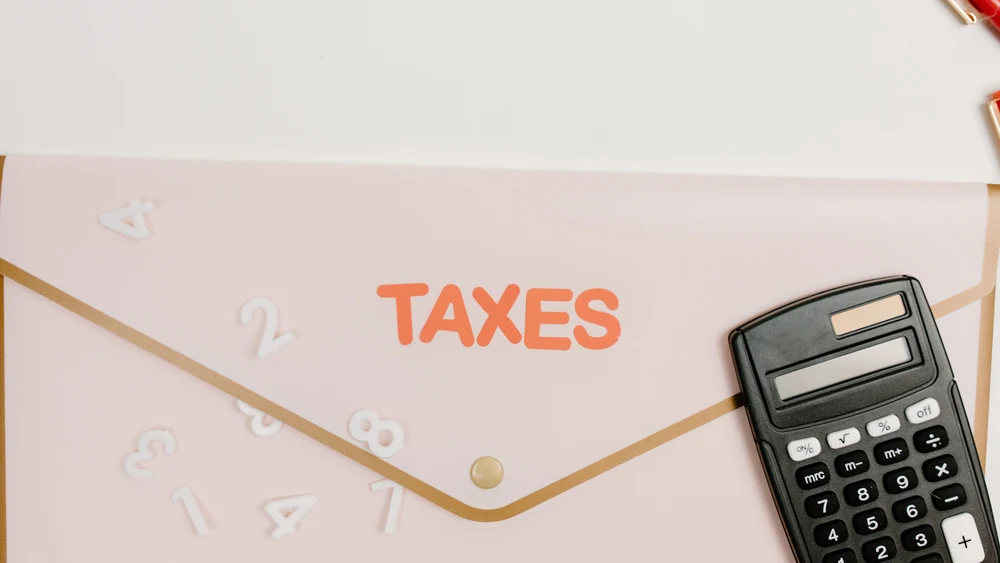
Image source: pexels.com
The headline is the platform success fee, roughly 7% plus VAT on Crowdcube and somewhere in the 6% to 8% band across both. That is charged only if you succeed, which sounds reasonable until you count everything else. Legal and accounting work to get the round ready. Video production, a proper deck, and usually some PR. Weeks of founder time that the business does not get back. And a cost nobody puts on a fee table: a failed campaign is public. Maya’s raise cost roughly £34,000 in fees alone before a single invoice from her solicitor. Budget it the way you would budget any other major business expense.
SEIS and EIS are why any of this works

Image source: pexels.com
Strip out the tax reliefs and UK equity crowdfunding would be a much smaller industry. SEIS gives investors 50% income tax relief, with a limit of £200,000 per investor per year, and a company can raise £250,000 under it in total. EIS gives 30% relief on up to £1 million per investor a year, or £2 million for knowledge-intensive companies. Both need the investment held for three years. For an investor in the higher band, half the downside is absorbed by the relief before the company has done anything at all, which is precisely the point of the schemes.
The EIS limits doubled in April 2026
This is genuinely new and worth knowing if you are planning a raise. From 6 April 2026 the amount a company can raise under EIS doubled from £5 million to £10 million a year, and the lifetime limit went from £12 million to £24 million. Knowledge-intensive companies doubled too, to £20 million a year and £40 million lifetime. Just as significantly, the gross assets test doubled from £15 million to £30 million before investment, which means companies that were too large to qualify last year can suddenly use EIS. One change went the other way: VCT income tax relief was cut from 30% to 20% on the same date.
Not everyone is allowed to invest in you

Image source: pexels.com
Founders plan campaigns as though anyone with a debit card can join in. The rules say otherwise. Most people investing must certify as a restricted investor, confirming they will not put more than 10% of their net assets into high-risk investments — and net assets exclude your home, mortgage, pension and life assurance. Everyone must pass an appropriateness test before an order completes, and fail it twice and there is a 24-hour wait before retrying. First-time investors also get a 24-hour cooling-off period. None of this stops a raise; it does mean your funnel is narrower and slower than a marketing plan assumes, so build the timeline for it.
What it does to your cap table, and your next round

Image source: pexels.com
You are selling a permanent slice of the company at the point it is worth the least it will ever be worth. That is the real price, and it is far bigger than 7%. Ask one question before you choose a platform: does it use a nominee structure, where all those investors sit behind a single line on your share register, or do they hold shares directly? Six hundred names on a cap table can make a later institutional round slower and more expensive to negotiate. Your shareholders will also have real rights — information, voting, pre-emption — and several hundred of them expect to hear from you. Worth reading alongside how a funding round actually runs.
There is a practical middle path worth knowing about. Some founders run a smaller crowdfunding round alongside a lead investor who sets the terms and the valuation, so the crowd follows a professional rather than pricing the round themselves. It tends to produce a cleaner deal and a calmer campaign, and it sits naturally with the equity route more broadly. The trade is that you give up some control over timing, because the lead sets the pace.
Would Maya do it again?
Yes, with two changes. She would have raised a little more, because going back to the market early is where bad terms come from, and she would have understood the nominee question before signing. Equity crowdfunding suits businesses with something people can picture and care about, and it suits founders who genuinely want several hundred small owners cheering them on. It suits almost nobody who simply wants money quietly. Before you commit, weigh it honestly against the other funding routes, get the numbers straight with an accountant, and make sure your business plan stands up to a few hundred strangers reading it.
Frequently asked questions
What is equity crowdfunding?
It is raising money by selling small shares in your company to many investors through an online platform. Investors become real shareholders with voting and information rights.
How much does equity crowdfunding cost a founder?
Platforms charge roughly 6% to 8% of the amount raised, usually only on success. Legal fees, video production and PR sit on top of that.
What are the chances of a campaign succeeding?
Around 38% to 41% of campaigns hit their target. Most successful ones are already part-funded by the founder’s own network before going public.
Is equity crowdfunding a good investment?
It is high risk. About 23% of funded companies stop trading and only around 5% reach an exit. Returns come from a few big winners, not the average.
What tax relief do investors get?
SEIS gives 50% income tax relief and EIS gives 30%, both with a three-year holding period. Reliefs depend on the company and investor qualifying.
Can anyone invest in an equity crowdfunding campaign?
No. Most investors must certify as restricted investors, keeping high-risk holdings under 10% of net assets, and must pass an appropriateness test first.
This article is general information, not investment or tax advice. Equity crowdfunding is high risk, your capital is at risk, and shares in private companies are hard to sell. Platform figures, fees, SEIS and EIS limits and FCA rules reflect the position as at September 2026 and can change. Tax relief depends on individual circumstances and on the company qualifying. Take professional advice before raising or investing.