Business Plan for Funding: What UK Lenders Actually Want
A plan written for funding is not a business plan, it is a repayment argument. What to put in it, how long it should be, and why applications really fail.


Josh spent a fortnight on his business plan. Forty pages, a competitor analysis, a mood board, a genuinely lovely bit about why he started. The bank read the two-page summary, turned to the cash flow forecast, asked one question he could not answer — “what happens if you sell half this?” — and said no. Nothing he wrote was wrong. He had simply written the wrong document. A business plan for funding is not a business plan; it is a repayment argument.
| Start Up Loans at a glance | Detail |
|---|---|
| Amount | £500 – £25,000 per director |
| Across a founding team | Up to £100,000 in total |
| Interest | 6% fixed a year |
| Term | 1 to 5 years |
| Security | Unsecured — no house or asset pledged |
| Extra | 12 months free mentoring if approved |
Lenders do not fund ideas

Image source: pexels.com
This is the reframe that changes everything. A bank is not deciding whether your business is a good idea; it is deciding whether the business will generate enough cash to pay it back, and what it can recover if it does not. Every section of your plan should be quietly answering that. The market research exists to prove demand is real, not to show you did homework. The team section exists to show somebody here has done this before. The forecast exists to show the repayment fits comfortably rather than exactly. Once you write for that reader, most of the padding falls away on its own, and the document gets shorter and far more persuasive.
The scheme most first-timers should look at first

Image source: pexels.com
If the business is young, start with the government-backed Start Up Loan before the high street. It lends between £500 and £25,000 over one to five years at a fixed 6% a year, and it is unsecured, so no house is on the line. Two details are strangely underpublicised. First, it is granted per person: each eligible director can apply for up to £25,000, so a founding team can reach around £100,000 between them. Second, a successful applicant gets twelve months of free mentoring, plus an adviser who helps with the application itself. Eligibility runs on UK residency, being over 18, and the business being young — published guidance says under three years.
The forecast is where the decision is actually made
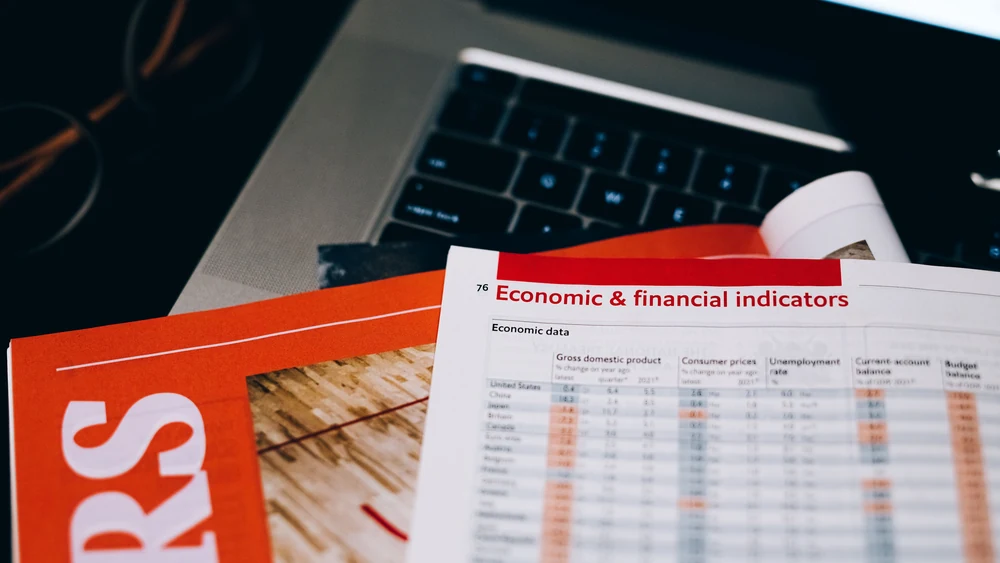
Image source: pexels.com
A twelve-month cash flow forecast is effectively compulsory, and it is the part reviewers read hardest. Here is what surprises people: it does not have to be right. Nobody believes a startup forecast is accurate. It has to be defensible. An assumption you can explain in one sentence — “forty customers a month, because that is what the two trial months produced” — beats an impressive number you cannot source. Show the repayment line inside the forecast so it is obvious the loan is affordable, and build the whole thing properly rather than guessing, using a real cash flow forecast as the backbone of the document.
Answer Josh’s question in the document. Include a downside case — revenue at half your forecast — and show what you would cut and whether the repayment still works. Volunteering the bad scenario reads as competence, not weakness, and it is the single fastest way to look like someone worth lending to.
How long it should be

Image source: pexels.com
Fifteen to twenty-five pages including the financials is the sensible range, and Josh’s forty were working against him. Roughly ten to fifteen pages covers the business itself, the rest is numbers. The two-page executive summary at the front matters more than anything else in the pack, because for a lot of readers it is the only part read properly before they decide whether to keep going. Write it last, once you know what the document actually says, and make sure it states the amount you want, what it is for, and how it gets repaid. If those three things are not on page one, they may never be found.
Why applications get turned down

Image source: pexels.com
Rejections cluster around a handful of things, and almost none of them are the idea. Projections nobody can defend. Market research that is really a hunch dressed up. A forecast that never actually demonstrates the loan can be repaid. Figures that contradict each other between the plan and the accounts, which reads as carelessness at best. Too much existing debt relative to what the business brings in. And a surprising number of plans that simply never state a repayment strategy anywhere. A thin credit file hurts too, which is why it is worth tidying your business credit profile months before you apply rather than the week you need the money.
A lender and an investor want opposite documents

Image source: pexels.com
Same business, genuinely different plan. A lender reads for the floor: how bad can this get, and does the repayment still work down there? An equity investor reads for the ceiling: how large could this become, and is this the team to get there? A cautious, conservative plan reassures a bank and bores an investor. A bold growth story excites an investor and worries a bank. Sending the same file to both is one of the commonest and most expensive mistakes founders make. Decide which route you are on first — the six main funding routes are worth comparing before you write a word.
Use the free help before you pay for any

Image source: pexels.com
There is more free support around than most founders realise. The Start Up Loans process gives you an adviser who works through the application with you, and twelve months of mentoring afterwards if you are approved — which, for a first-time founder, is often worth more than the money. Your accountant will usually sanity-check a forecast for very little, and catching an unrealistic assumption before a lender does is cheap at the price. If you have never built projections before, getting an accountant involved early is the difference between a document that survives scrutiny and one that does not.
Get the numbers straight before you write
Almost every weak plan shares one root cause: the founder started writing before they knew their own figures. Work out what the business actually costs to run for a year, what it needs to break even, and what the money you are asking for will specifically buy. Then the plan more or less writes itself, because each section has a number behind it. If you are raising equity rather than borrowing, the same discipline applies but the emphasis shifts — how a funding round actually runs explains what investors probe, while the order of operations for raising covers what to have ready before the first conversation. Either way, the document follows the arithmetic, not the other way round.
What Josh changed
He cut forty pages to nineteen, rewrote the summary so the amount, the purpose and the repayment were in the first paragraph, and added a downside case showing the business still covered its payments at sixty per cent of forecast. Same business, same numbers underneath, approved six weeks later. That is usually all a business plan for funding needs: less about why you love the idea, more about why the money comes back. Before you write yours, be clear about how much you actually need — asking for a vague amount is its own kind of red flag.
Frequently asked questions
What should a business plan for funding include?
The amount you want, what it is for, how it gets repaid, evidence of demand, the team, and a twelve month cash flow forecast with the repayment shown inside it.
How long should a business plan be?
Fifteen to twenty-five pages including financials, with a two-page executive summary. Longer plans usually get skimmed rather than read.
How much can I borrow with a Start Up Loan?
Between £500 and £25,000 per eligible director at 6% fixed, over one to five years. A founding team can borrow up to £100,000 in total.
Do my financial forecasts have to be accurate?
No. They have to be defensible. An assumption you can explain in a sentence is worth more than an impressive figure you cannot justify.
Why do business funding applications get rejected?
Usually indefensible projections, weak evidence of demand, inconsistent figures, too much existing debt, or no clear repayment strategy anywhere in the plan.
Is the plan different for investors and lenders?
Yes. Lenders read for the worst case and whether repayment survives it. Investors read for how big it could get. Do not send the same document to both.
This article is general information, not financial advice. Start Up Loans terms and eligibility reflect British Business Bank guidance as at September 2026 and can change — some sources report different age limits for the business, so check the current criteria directly before applying. Lending decisions depend on individual circumstances.