Raw Feeding and the 80/10/10 Ratio Explained
What the ratio means, how to calculate portions, and the handling and safety points that come with feeding raw.

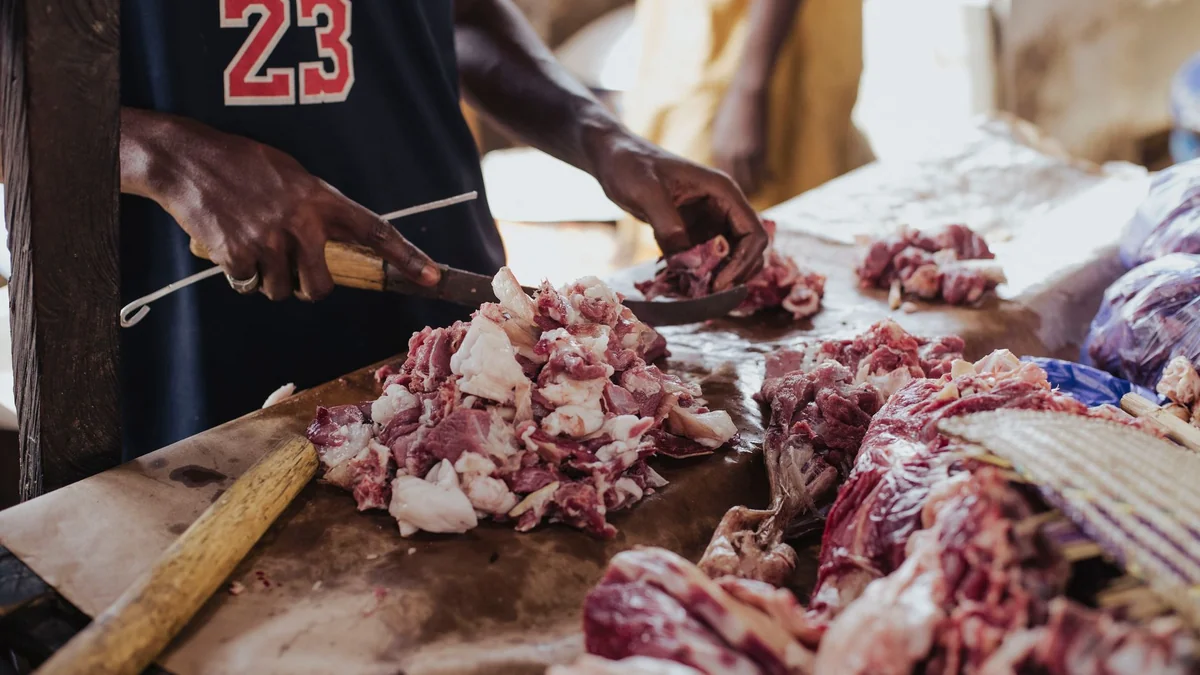
Raw feeding is described by a ratio more often than by a recipe, and the numbers are straightforward once you know what they refer to. The complications are in balance over time, hygiene, and whether it suits your household.
This is general information about pet food, not veterinary advice. Any animal that is unwell, losing weight, or has a suspected food intolerance should be seen by a vet — diet changes made without a diagnosis can delay identifying something else entirely.
What 80/10/10 Means
Eighty per cent muscle meat, ten per cent raw edible bone, and ten per cent organ — of which half is usually liver and half other secreting organ such as kidney or spleen. The proportions approximate the composition of whole prey.
Bone Means Edible Raw Bone
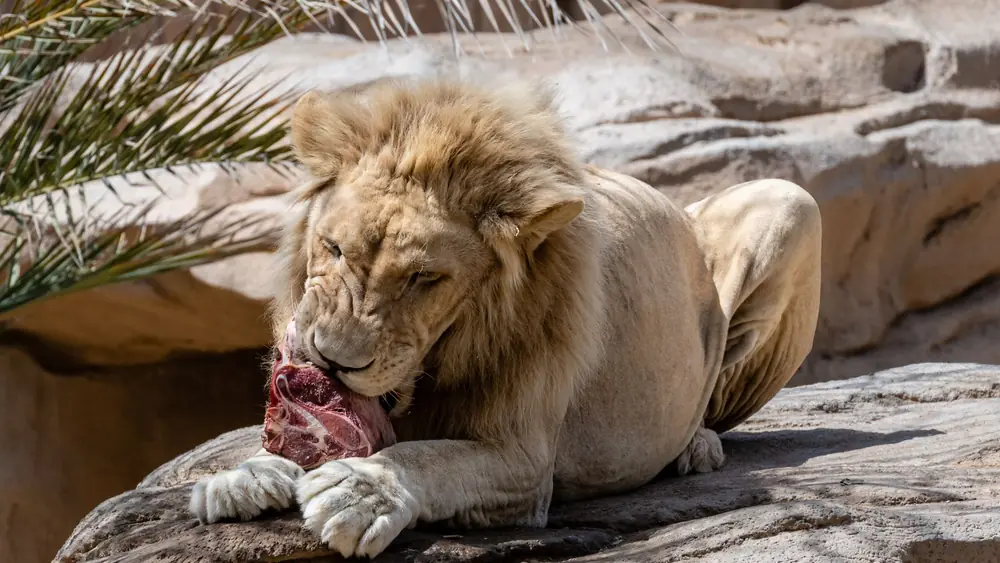
Image source: pexels.com
The ten per cent refers to raw bone the animal can consume, not the weight of a bone-in cut. A chicken wing is not ten per cent bone by weight. Cooked bone should never be fed at all, because it splinters — this is one of the few absolutes in the subject.
Calculating the Daily Amount
Most guidance starts from a percentage of adult body weight per day, adjusted for activity and body condition, with growing animals fed a higher proportion. The starting figure is an estimate; the animal’s condition over the following weeks is the real guide.
Balance Is Achieved Over Time
No single meal needs to hit the ratio exactly. Balance is measured across a week or more, which is why rotating protein sources and organ types matters more than precision at any one feeding.
The Ratio Alone Is Not Complete Nutrition
A strict 80/10/10 diet can be low in certain nutrients depending on what is included — notably where fish, or specific vitamins and minerals, are absent. Many owners add oily fish, and some add supplements. This is worth discussing with a vet or a qualified pet nutritionist rather than assuming the ratio covers everything.
Complete Raw Versus DIY
Commercially prepared complete raw food is formulated to meet nutritional standards and is labelled accordingly. Assembling your own gives control and puts the responsibility for balance entirely on you. The ratio is a framework for the second approach, not a guarantee.
Handling and Hygiene
Raw meat carries bacteria that can affect people as well as animals. Separate boards and utensils, thorough hand washing, cleaning bowls after every meal, and safe thawing in a fridge rather than at room temperature are all necessary rather than optional.
Households That Need Extra Care
Where there are young children, elderly people, pregnant women or anyone immunosuppressed in the household, the hygiene risk is higher and worth weighing seriously. Some vets advise against raw feeding in those circumstances.
Storage and Freezing
Raw food needs freezer space and disciplined defrosting. Work out whether you have both before committing, because the practical logistics defeat more raw feeding attempts than the nutrition does.
Transition Carefully
Moving to raw is a significant dietary change and abrupt switching commonly causes digestive upset. Some owners transition over a week; others switch after a short fast on veterinary advice. The general principles under switching food safely apply.
Not Every Animal Suits It
Animals with certain medical conditions, those on immunosuppressive treatment, and some older animals may be poor candidates. Where an animal has a diagnosed condition requiring a specific diet, prescription diets exist for a reason and raw is generally not a substitute.
Bones Carry Their Own Risks
Raw bone is part of most ratio-based approaches and can fracture teeth or cause obstruction, particularly in enthusiastic eaters. Weight-bearing bones from large animals are the usual culprits. Supervision during feeding is sensible rather than optional.
Weight Management on Raw
Raw diets are frequently energy dense and easy to overfeed by volume, since the food looks different from kibble. Weigh portions and monitor body condition rather than judging by appearance in the bowl.
Supplements Are Sometimes Necessary
Depending on what is included, additional sources of certain nutrients may be needed. This is where DIY raw feeding most commonly goes wrong, and where qualified nutritional input is genuinely worth paying for.
Freezing Does Not Eliminate All Risk
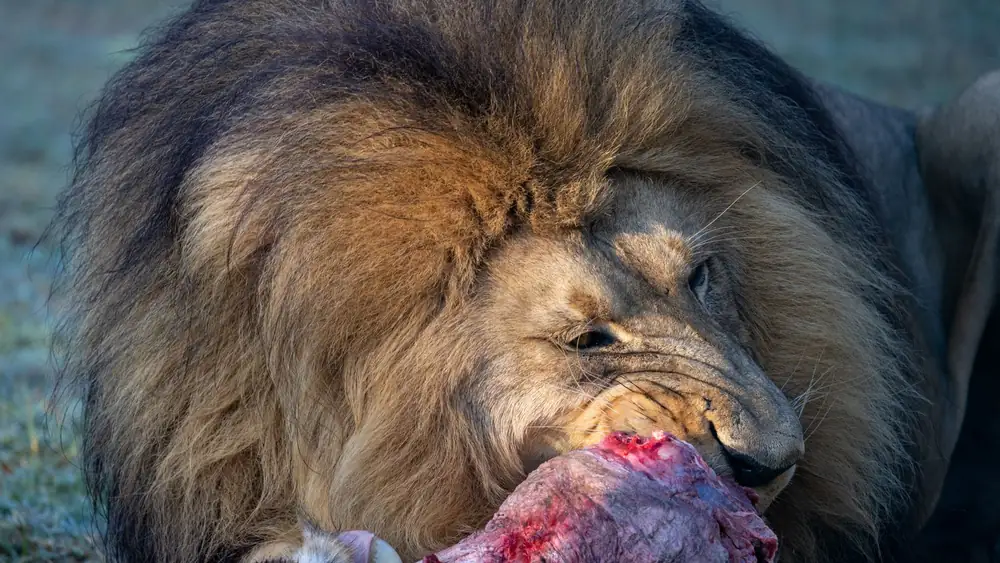
Image source: pexels.com
Freezing reduces some parasite risk and does not reliably kill bacteria. It is a storage method rather than a safety treatment, and handling hygiene remains necessary regardless of how long something has been frozen.
Travel and Kennels Are Harder
Raw feeding requires freezer access, which complicates holidays, boarding and travel. Some kennels decline to handle raw food entirely. Establish this before committing, since switching back and forth defeats the purpose.
Cost Varies Widely
Complete commercial raw is convenient and generally more expensive than assembling your own from a butcher or supplier. Both are usually more expensive than mid-range dry food, though the gap narrows against premium products.
Puppies and Kittens Need More Care
Growing animals have specific requirements for calcium, phosphorus and energy, and getting the balance wrong during growth has lasting consequences. If feeding raw to a growing animal, use a properly formulated complete product or take qualified nutritional advice.
Sourcing Matters
Meat intended for pet food is regulated differently from meat for human consumption. Buy from suppliers who state what their products contain and how they are handled, and be cautious of unlabelled or informally supplied meat.
Bones Carry Real Risks
Even raw bones can fracture teeth, cause obstruction, or perforate. Weight-bearing bones from large animals are particularly hard. Supervise, choose appropriately sized items, and remove anything that has been chewed down to a swallowable fragment.
Not All Vets Support It
Veterinary opinion on raw feeding is genuinely divided, largely on hygiene and nutritional balance rather than on principle. Being open with your vet about what you feed matters more than agreement, because it affects how they interpret any problem.
Judge by the Animal
Coat condition, energy, stool quality and weight over several weeks tell you more than any calculation. If those are wrong, the diet needs adjusting regardless of how carefully the ratio was followed.