Switching Pet Food Without Causing Digestive Upset
Most problems blamed on a new food are caused by changing too quickly. A gradual transition prevents almost all of them.

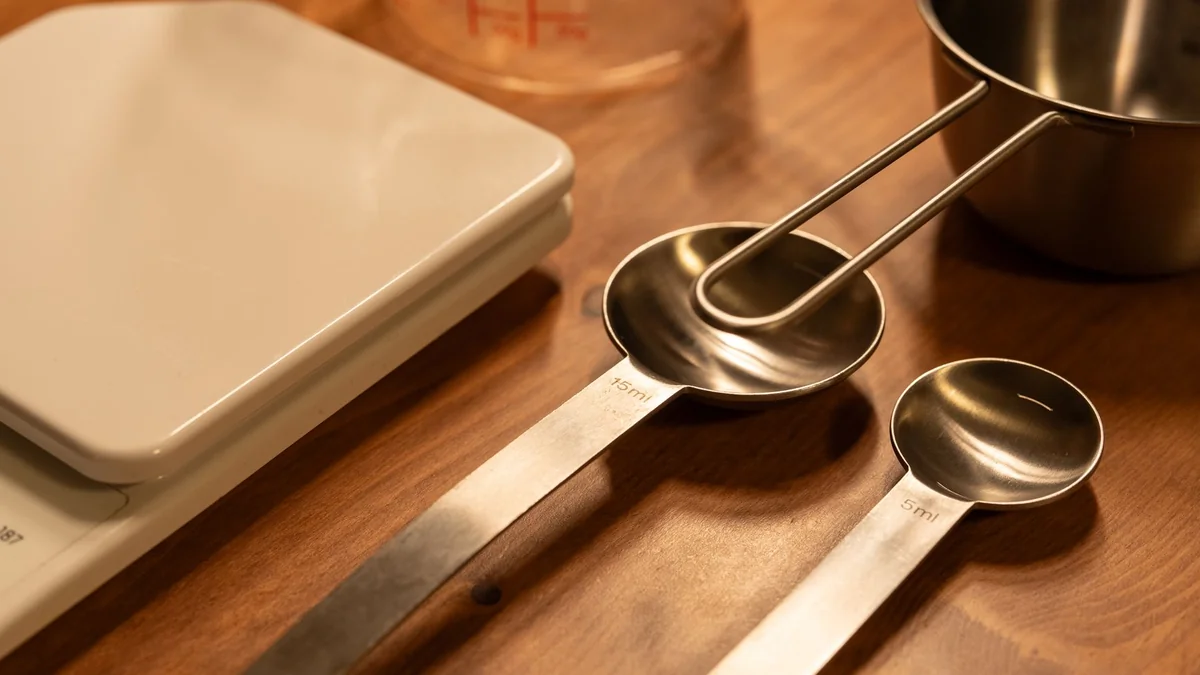
The new food arrives, the old bag is empty, and the change happens overnight. Two days later there are loose stools and the new food gets the blame — when the cause was usually the speed of the change rather than the food itself.
This is general information about pet food, not veterinary advice. Any animal that is unwell, losing weight, or has a suspected food intolerance should be seen by a vet — diet changes made without a diagnosis can delay identifying something else entirely.
Why Abrupt Changes Cause Problems
Digestive systems adapt to what they regularly receive, including the balance of bacteria in the gut. A sudden change in protein source, fat level or fibre gives that system no time to adjust, and loose stools or vomiting frequently follow.
The Standard Approach
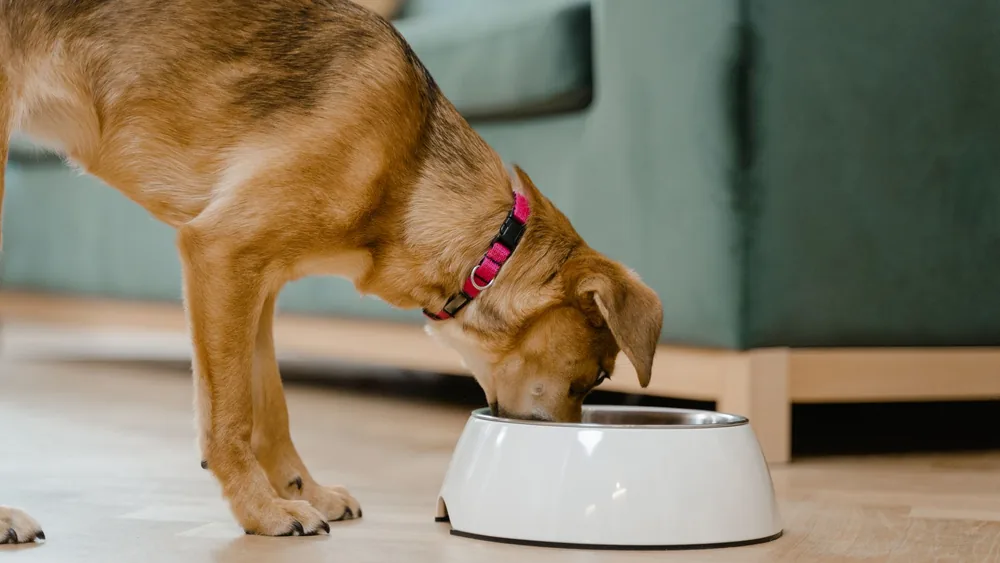
Image source: pexels.com
Mix increasing proportions of the new food with decreasing proportions of the old over about a week: roughly a quarter new for two days, half for two days, three quarters for two days, then fully new. Slower is fine and frequently better.
Some Animals Need Longer
Sensitive animals, those with a history of digestive problems, and older animals frequently need two weeks or more. If loose stools appear, go back a step and hold there for longer rather than pushing through.
Buy the Overlap
Transitioning requires having both foods at once. Running out of the old food is the most common reason people switch abruptly, and it is entirely avoidable by buying the new food before the old runs out.
Bigger Changes Need More Time
Moving between similar dry foods is a smaller change than moving from dry to raw feeding, or between very different protein sources. The greater the difference, the longer the transition should be.
Change One Thing at a Time
Switching food, introducing a new treat and starting a supplement in the same week makes it impossible to identify what caused any reaction. Sequence changes so each can be assessed.
What Normal Adjustment Looks Like
Slightly softer stools for a few days during transition are common. Persistent diarrhoea, blood, vomiting, lethargy or refusal to eat are not part of normal adjustment and warrant a vet rather than persistence.
Fussy Eaters
Animals reluctant to accept new food frequently do better with a slower transition, food served at room temperature, and regular mealtimes rather than free feeding. Adding toppers to encourage eating can undermine the point if the change was made for medical reasons.
Do Not Switch Repeatedly
Changing food every time a bag runs out, or whenever something seems slightly wrong, means the animal never settles and you never learn what works. Give a new food several weeks before judging it.
Keep Notes
What you fed, when you changed, and what happened. Over a year this is genuinely useful, particularly if a vet asks what the animal has been fed and how it responded.
Elimination Trials Are Different
Where a diet change is diagnostic rather than practical, the rules change — the new food usually has to be fed exclusively and strictly, as covered under hypoallergenic diets and hydrolysed protein diets. Transitioning gradually is still sensible, but nothing else can be added alongside.
Fussy Eaters Need a Different Approach
An animal that holds out for the old food usually gets it, which teaches the behaviour. Moving in smaller increments over a longer period works better than a standoff, and removing uneaten food after a set period prevents grazing.
Water Intake Changes Too
Moving between wet and dry alters how much water an animal takes from food, and drinking will change accordingly. A noticeable increase in thirst after switching to dry is expected; one without any dietary change is not.
Note the Reason for Every Change
Recording why you changed food, and what happened, builds a picture over years. It is genuinely useful when a vet asks what the animal has tolerated, and memory is unreliable across several diets.
Probiotics During Transition
Some owners use a probiotic supplement while changing food, and vets frequently recommend one after digestive upset. Whether it helps varies, and it is worth asking rather than adding another variable unprompted.
Sudden Changes Sometimes Cannot Be Avoided
Image source: pexels.com
A product is discontinued, a recall happens, or a bag runs out unexpectedly. Where an abrupt change is unavoidable, feed slightly smaller meals more frequently for a few days and expect some digestive disturbance.
Keep a Small Reserve
Holding a few days of food in reserve prevents the situation where you must switch immediately. It costs nothing beyond storage and removes the most common cause of abrupt transitions entirely.
Watch Appetite as Well as Stools
An animal that eats willingly through a transition is adapting. One that becomes increasingly reluctant may be telling you something about the new food, and pushing through is not always the right response.
Transitioning an Unwell Animal
Where a vet has recommended a diet change because the animal is ill, the transition may need to be faster or slower than the standard week. Follow the practice guidance rather than a general rule, since the clinical reason determines the pace.
Cats Resist Change More Than Dogs
Food preferences form early in cats and they can refuse an unfamiliar food for a concerning period. A cat that stops eating entirely needs veterinary attention promptly, because prolonged inappetence carries specific risks. Transition cats especially slowly.
Expect Stool Changes
Colour, volume and consistency commonly shift with a new food and then settle. Judge after the transition is complete rather than during it, provided the animal is otherwise well.
Have a Reason for Changing
Boredom on the owner is not a reason; animals do not require variety in the way people assume. Change food because something is wrong, because life stage has changed, or because a vet advised it.
Store the Old Food Properly
When Food Comes Straight Back Up
A dog that brings up recognisable food shortly after eating is usually regurgitating rather than vomiting, and the distinction changes what it means. Dog vomiting undigested food covers when it matters.
If a transition has to be paused, the old food needs to still be usable. Keep it sealed, dry and within its best-before date, and note the batch code in case a question arises later.