Hydrolysed Protein Diets for Dogs and Cats
Proteins broken into fragments too small to trigger a reaction. What these diets are for and why they are usually prescribed.

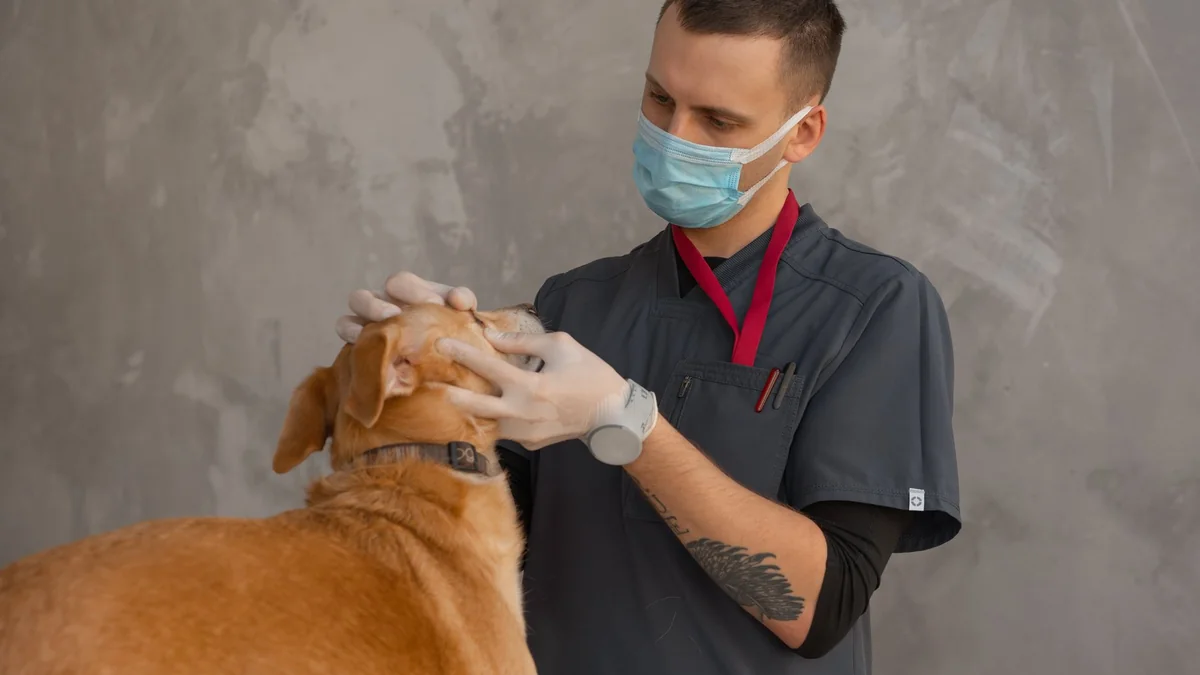
Hydrolysed diets look like ordinary food and work on a genuinely different principle. Rather than avoiding a problem ingredient, they alter the protein itself so the immune system does not recognise it.
This is general information about pet food, not veterinary advice. Any animal that is unwell, losing weight, or has a suspected food intolerance should be seen by a vet — diet changes made without a diagnosis can delay identifying something else entirely.
How Hydrolysis Works
Proteins are chains of amino acids. Hydrolysis breaks those chains into much smaller fragments — small enough that the immune system is unlikely to identify them as the original protein and mount a response. The nutrition remains; the recognisable structure does not.
Why That Matters for Diagnosis
Image source: pexels.com
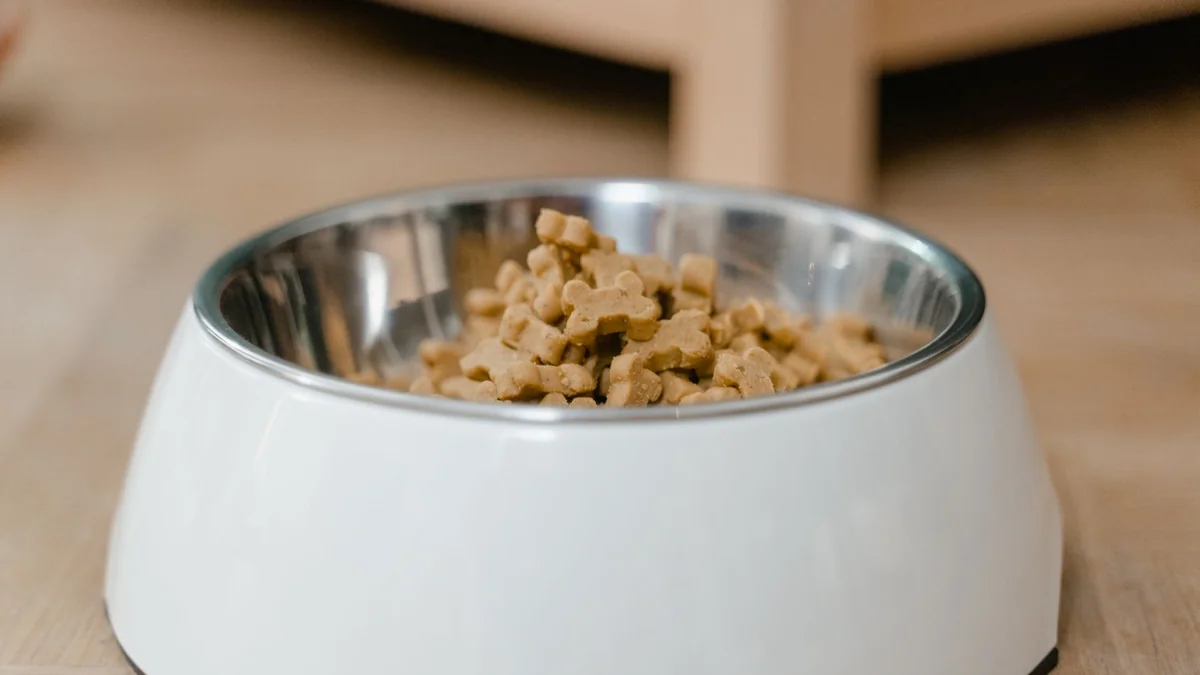
For an elimination trial, the difficulty is finding a protein the animal has never encountered. Hydrolysed diets sidestep that entirely, which is why vets reach for them when a genuinely novel protein is not available. They serve the same purpose as the diets discussed under hypoallergenic diets by a different route.
Anallergenic Diets Go Further
Some products described as anallergenic use extensively hydrolysed proteins, or protein sources such as feathers, broken down to a very high degree. These are typically the most restricted options available and are used where standard hydrolysed diets have not resolved signs.
These Are Usually Veterinary Diets
Most hydrolysed and anallergenic foods are sold through veterinary practices or require a prescription, because they are intended for diagnosis and management under supervision rather than as general feeding. That is covered further under prescription diets.
Strictness Is the Whole Point
A hydrolysed trial fails if anything else is fed. That includes treats, dental chews, flavoured wormers, food used to hide medication, and anything picked up on a walk. Households with several animals need to prevent sharing, which is frequently the hardest part.
How Long a Trial Takes
Skin signs in particular can take several weeks to respond, because the existing inflammation has to settle. Stopping early because nothing has changed is the most common reason a trial produces no answer.
Palatability Can Be a Problem
Hydrolysed foods sometimes taste different enough that animals are reluctant, particularly cats. Warming wet food slightly, or transitioning very gradually, helps. Adding anything to improve the taste defeats the exercise.
Cost Is Higher
These diets are more expensive to produce and are priced accordingly. Where one resolves a long-standing problem, the cost is frequently offset against repeated consultations and medication — but it is a genuine consideration and worth discussing with the vet.
They Are Not a Permanent Requirement for Everyone
For some animals a hydrolysed diet becomes the long-term food. For others it is a diagnostic step, after which a simpler diet excluding the identified trigger is adequate and cheaper. Which applies is something the reintroduction phase establishes.
Do Not Start One Without a Vet
Because the value is diagnostic, starting a hydrolysed diet independently wastes it — without a structured trial and reintroduction there is nothing to conclude. Guidance from your own practice, and general information from PDSA, are the right starting points.
Palatability Is Sometimes an Issue
Hydrolysis changes taste as well as protein structure, and some animals take a few days to accept the food. Warming it slightly, or feeding smaller portions more often, usually resolves this without abandoning the diet altogether.
Owners Underestimate How Strict It Must Be
One dropped piece of toast, one flavoured tablet, one visit where someone offers a treat. Any of these can invalidate weeks of work, and the trial has to be restarted rather than continued. Telling everyone in the household matters as much as buying the food.
Ask What Success Would Look Like
Before starting, establish with the vet what improvement would be expected and by when. Without that, it is difficult to judge whether the trial has worked, and easy to abandon it just before it would have.
Cost Over the Trial Period
These diets are expensive and a trial runs for weeks. Work out the total before starting so the cost does not force an early stop, which wastes what has already been spent.
Check the Whole Product Range
Image source: pexels.com
Manufacturers produce several diets that sound similar, and the differences between them matter. Confirm you have the specific product recommended rather than another from the same range, since substituting undermines the trial.
Introducing Other Foods Afterwards
If a trial succeeds, reintroduction identifies what to avoid long term. That is what allows a move to a cheaper maintenance diet, and skipping it means staying on the most restricted and most expensive option indefinitely.
Watch the Weight
Energy density differs between these diets and ordinary food, and portions frequently need adjusting. Weight change during a trial is common and worth monitoring rather than attributing to the condition being investigated.
They Are Not Grain-Free by Definition
Hydrolysed diets are defined by what has been done to the protein, not by what else is in them. Many contain starch sources including cereals, because the carbohydrate is not usually the issue being addressed.
Response Rates Are Good but Not Universal
Most animals with genuine food-responsive disease improve on a properly conducted trial. A minority do not, which either indicates the problem is not food-related or that the hydrolysis was not extensive enough for that individual.
Dry and Wet Versions Both Exist
Where an animal will not accept one format, the other is frequently available. For cats in particular the wet version is often better accepted and brings the additional benefit of moisture intake.
Plan the Trial Before Starting
Decide the duration, what treats are permitted, how medication will be given, and who in the household needs to know. Trials fail on logistics far more often than on the diet itself.
Check What Else Is Being Fed
Before assuming a diet has failed, audit everything the animal receives in a week. Households consistently underestimate this, and a single flavoured tablet can be enough to invalidate the trial. The same discipline applies to any switching food safely decision.