Recovering Unpaid Debts: A UK Small Business Guide
When polite chasing fails there is a clear ladder: evidence, statutory interest, a letter before action, a court claim and enforcement. The rules, thresholds and time limits.

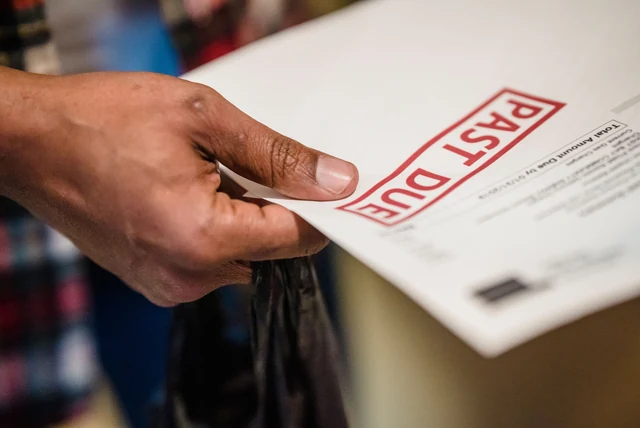
Mike fitted out a restaurant in Leeds, handed over the keys, and sent a £7,800 invoice. Thirty days passed, then sixty. Every call ended with “it’s with accounts”. By month four he had stopped sleeping properly and started wondering whether he should just write it off. He did not have to. Recovering unpaid debts in the UK follows a clear ladder, and most debtors pay long before you reach the top — as long as you climb it in the right order and do not skip the steps that protect you.
| The recovery ladder | Key rule to know |
|---|---|
| Statutory interest and compensation | 8% + base rate (11.75% now), plus £40–£100 per invoice |
| Letter before action | Individuals and sole traders get 30 days to respond |
| Court claim | Defended claims up to £10,000 usually go to small claims |
| Judgment (CCJ) | Stays on record six years unless paid within a month |
| Statutory demand | Company debt over £750; individual £5,000+ |
| Time limit | Usually six years to start a claim |
First, get your evidence in one place

Image source: pexels.com
Before anything formal, Mike pulled together four things, and they turned out to be the whole case. The agreed terms or quote the customer accepted, the invoice with its due date, proof the work was delivered — photos, a signed completion note, emails saying thanks — and the trail of every reminder he had sent. Courts and debtors both respond to paperwork, not frustration. This is also the moment to be honest about whether the debt is genuinely disputed. If the customer has raised a real complaint about the work, deal with that first, because a disputed debt changes which routes are open to you. Clear quotes with payment terms make this step far easier next time.
Add the interest and compensation the law already gives you
For business-to-business debts, the Late Payment of Commercial Debts (Interest) Act 1998 lets you add statutory interest at 8% above the Bank of England base rate — with base held at 3.75% in September 2026, that is 11.75% a year — plus fixed compensation of £40, £70 or £100 per invoice depending on size, and reasonable recovery costs above that. Mentioning this in a firm reminder often works on its own. We cover how it fits into planning in our guide to cash flow forecasting, and how to stop debts getting this far in credit control for small businesses.
The letter before action

Image source: pexels.com
If reminders fail, the next step is a formal letter before action: the amount owed, how it is made up, interest and compensation claimed, and a clear deadline before you start court proceedings. If your customer is an individual or a sole trader, the Pre-Action Protocol for Debt Claims applies. You must include set information and give them 30 days to respond, and skipping it can cost you in court even if you win. The protocol does not apply between two businesses, but a reasonable deadline is still wise. Mike’s customer was a limited company, so he gave fourteen days. The money arrived on day eleven. That is how most recoveries end: with a letter that proves you are serious.
Making a court claim

Image source: pexels.com
If the letter is ignored, you can issue a claim through Money Claim Online or on paper. The fee depends on the amount — 2026 fee guides put it between roughly £35 and £455 for claims up to £10,000, and 5% of the claim above that, so check the current table on the court fees leaflet EX50 before filing. If you win, the fee is normally added to what the debtor owes. If the debtor does not respond, you can ask for judgment by default. If they defend a claim worth up to £10,000, it will normally go to the small claims track, which is designed for people representing themselves, with limited costs either way. Before you issue, check the debtor can actually pay — a quick look at their filed accounts saves you suing a business with nothing left.
A judgment is not the same as being paid

Image source: pexels.com
Winning feels like the end, but a county court judgment is only a court order saying the money is owed. The debtor’s name goes on the public register for six years, which damages their ability to borrow — unless they pay in full within one month, in which case it is removed. That month is often when payment finally arrives, because businesses know how much a judgment hurts. It is the same register that shapes a company’s business credit profile, and plenty of debtors pay the moment they realise that. If they still do not pay, you move to enforcement, which is a separate application with its own fee.
Enforcement: turning a judgment into money

Image source: pexels.com
There are several tools, and the right one depends on what the debtor has. A warrant of control sends enforcement agents to take goods to sell, and larger judgments can be transferred to a High Court Enforcement Officer, who tends to act faster. A charging order secures the debt against property the debtor owns. A third party debt order freezes money in their bank account. For individuals, an attachment of earnings order takes money directly from wages. None is guaranteed, which is why checking whether a debtor has assets before you sue matters so much. A judgment against a business with an empty bank account and no property is a piece of paper.
Statutory demands: powerful, and easy to misuse

Image source: pexels.com
A statutory demand is a formal demand giving the debtor 21 days to pay. For a limited company the debt must be over £750; for an individual it must be £5,000 or more. If it goes unpaid, it can support a winding-up petition against a company or a bankruptcy petition against a person. That threat concentrates minds quickly. But it is only for debts that are genuinely undisputed. Serve one on a customer who has a real argument about the work, and the court can set it aside and order you to pay their costs. Treat it as a heavy tool for clear-cut cases, ideally with a solicitor involved, not as a scarier version of a reminder letter.
The clock is running: six years

Image source: pexels.com
Debts do not last forever. In England, Wales and Northern Ireland you usually have six years from when payment fell due to start court action, after which the debt becomes statute barred. In Scotland the period is generally shorter. Six years sounds generous, but evidence goes missing, contacts move on and businesses close, so the practical window is much shorter. If you are still owed money from a larger business, the Small Business Commissioner can help for free — the office has recovered around £10 million since 2017. And if slow payers are a regular pattern rather than a one-off, invoice finance can protect your cash flow while you chase.
How Mike’s story ended
He got every penny, plus £312 in statutory interest and £70 in compensation, without ever going near a courtroom. What changed was not the customer; it was Mike moving from polite phone calls to a clear, formal letter with dates and the law behind it. That is the heart of recovering unpaid debts: collect the evidence, add what the law allows, send a proper letter, and only then escalate. He now puts payment terms and late payment wording in every contract, following the basics of business contracts, and he has not had to chase anything past sixty days since.
Frequently asked questions
How do I recover an unpaid debt in the UK?
Gather evidence, add statutory interest where it applies, send a letter before action, then make a court claim and enforce any judgment if the debtor still will not pay.
How long do I have to recover a debt?
Usually six years from when payment was due in England, Wales and Northern Ireland. After that the debt is normally statute barred.
How much does it cost to make a small claim?
Court fees depend on the amount, roughly £35 to £455 for claims up to £10,000 in 2026. Check the current EX50 fee table before filing.
What is a letter before action?
A formal letter setting out the debt and a deadline before court action. Individual and sole trader debtors must get 30 days under the pre-action protocol.
When can I use a statutory demand?
For undisputed debts over £750 owed by a company, or £5,000 or more owed by an individual. The debtor has 21 days to pay.
Does a CCJ mean I will get paid?
Not automatically. A judgment confirms the debt, but if the debtor still does not pay you must apply separately to enforce it.
This article is general information about England and Wales, not legal advice. Court fees, thresholds and interest rates change — check the current HMCTS fee table and base rate before acting. For large, disputed or complex debts, or before serving a statutory demand, speak to a solicitor. Your accountant can help assess whether a debtor is worth pursuing.