Business Record Keeping: What to Keep and For How Long
Five years after 31 January for sole traders, six years for companies, three for payroll. What HMRC expects you to keep, in what form, and how to store and dispose of it.

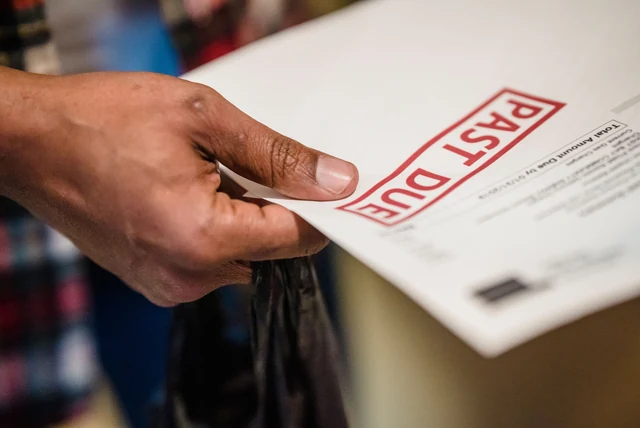
Gary had been a self-employed electrician for eleven years when the brown envelope arrived: HMRC wanted to look at his return from three years earlier. He knew the numbers were right. The problem was proving it. Half the receipts had faded to blank paper in a van glovebox, and the rest were in a shoebox his wife had moved during a loft clear-out. Good business record keeping is not about being tidy for its own sake. It is about being able to prove what you already know, years after you have forgotten the details.
| Type of record | Keep for at least |
|---|---|
| Sole trader or partnership (Self Assessment) | 5 years after the 31 January filing deadline |
| Limited company tax and accounting records | 6 years from the end of the financial year |
| VAT records | Generally 6 years |
| PAYE and payroll records | 3 years after the end of the tax year |
| Records affecting a later year (e.g. assets) | Longer — until that later year is safe |
| Penalty for not keeping records | Up to £3,000 |
What the law actually expects you to keep

Image source: pexels.com
HMRC wants to see enough to check that your tax figures are right. That means every sale and every other source of business income, every business cost, bank statements for any account the business uses, VAT records if you are registered, and payroll records if you employ anyone. Crucially, it means the evidence behind each figure — invoices, receipts, contracts and statements — not just a spreadsheet total. A line saying “tools £640” proves nothing on its own; the receipt does. Keep a note of anything unusual as it happens, such as why you bought something or who a large payment was for, because in three years you will not remember. The mechanics of recording each transaction are covered in bookkeeping basics.
How long you have to keep them

Image source: pexels.com
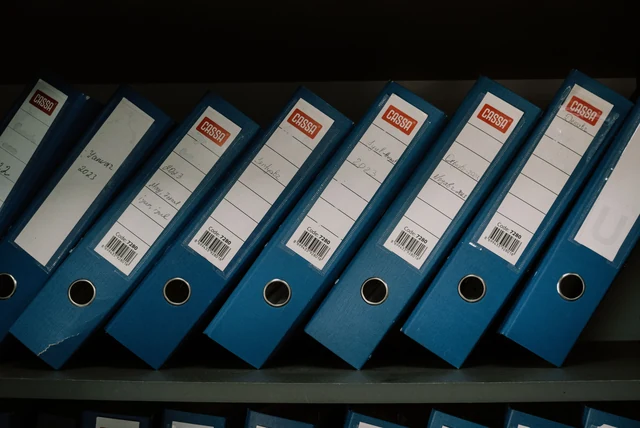
The answer depends on how you trade. Sole traders and partners must keep records for at least five years after the 31 January filing deadline for that tax year — so records for the year to April 2026 must be kept until at least January 2032. Limited companies keep their tax and accounting records for six years from the end of the financial year they relate to. VAT records are generally kept for six years, and payroll records for three years after the end of the tax year. If a record affects a later year, such as the purchase of equipment you are still claiming allowances on, keep it longer. HMRC guidance warns that you can be fined up to £3,000 for not keeping records, and company directors who fail to keep accounting records can face disqualification.
Digital records, photos and Making Tax Digital
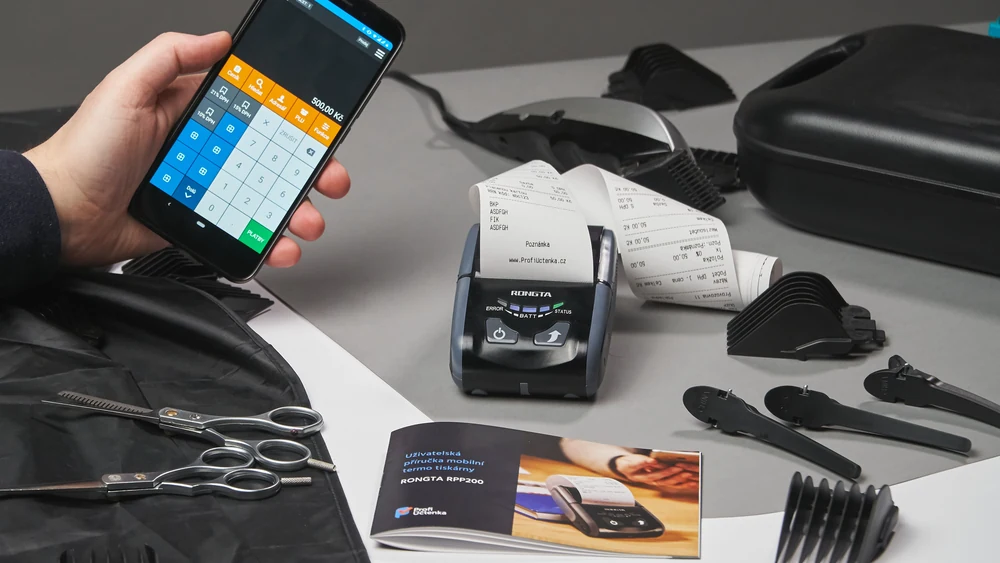
Image source: pexels.com
You do not have to keep paper. A clear, complete digital copy of a receipt or invoice is generally acceptable, which is lucky, because thermal-paper till receipts fade in months — exactly what happened to Gary’s. Photograph them when you get them, not at the year end. For many businesses digital records are now compulsory: VAT-registered businesses have kept them under Making Tax Digital since April 2022, and from 6 April 2026 sole traders and landlords with qualifying income over £50,000 must too. Our guide to Making Tax Digital for Income Tax explains who is caught, and choosing business software covers how to pick a compatible tool without overspending.
Companies keep more than the accounts
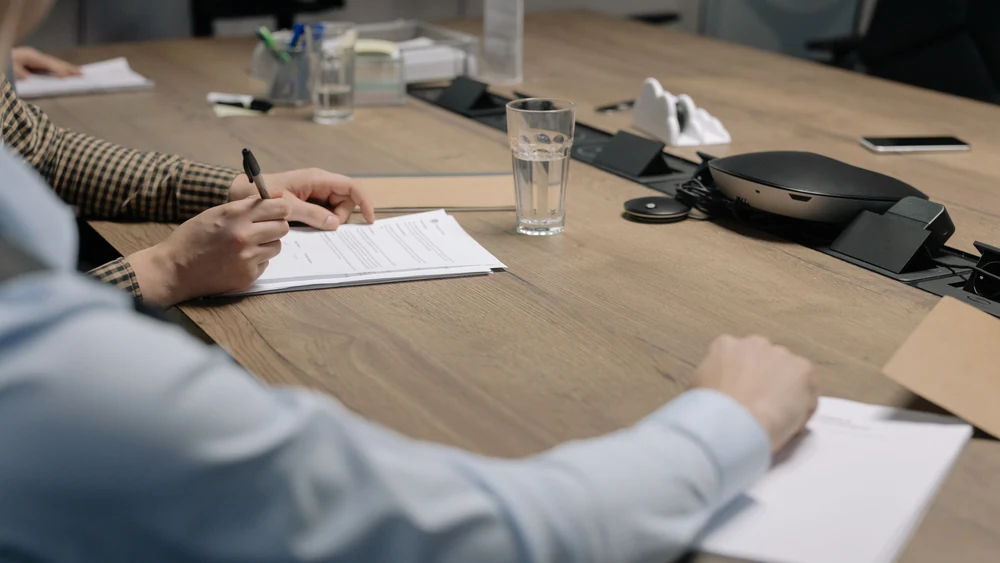
Image source: pexels.com
A limited company has extra duties on top of tax records. It must keep statutory registers — of members (shareholders), directors and people with significant control — along with minutes of board meetings and records of shareholder resolutions. These are the documents a buyer, investor or lender will ask to see, and they are the ones most small companies let drift. Keep them in step with what has been filed at Companies House. Employment records matter too: payroll, right-to-work checks, contracts, and statutory sick and maternity pay. If you are a director, understanding corporation tax basics will help you see which records HMRC will lean on first.
A simple system that actually gets used
The best filing system is the one you will keep up on a busy Friday. For most small firms that means one folder per tax year, split into a handful of subfolders: sales, purchases and expenses, bank, payroll, VAT, and contracts. Name files so they sort themselves — date first, then supplier, then amount — and you will find anything in seconds. Keep current-year records separate from the archive so old years are not accidentally edited. Then set a ten-minute weekly routine: photograph the week’s receipts, match them to the bank feed, and file anything unusual with a one-line note of what it was for. Ten minutes a week beats a lost weekend every January, and it turns the year end into a quick check rather than an archaeology dig.
Keep them long enough, but not forever

Image source: pexels.com
There is a tension here that trips people up. Tax law says keep records for years; UK GDPR says do not keep personal data for longer than you need it. The answer is a simple retention schedule: a list of each type of record, why you keep it, and when it can go. Customer invoices stay for the tax period. A job applicant’s CV from four years ago probably does not. When records reach the end of their life, dispose of them properly — shred paper and securely wipe drives, rather than dropping boxes in the recycling. Our guide to data protection for small businesses explains what the regulator expects from a firm your size.
Back up, and make sure someone else can get in
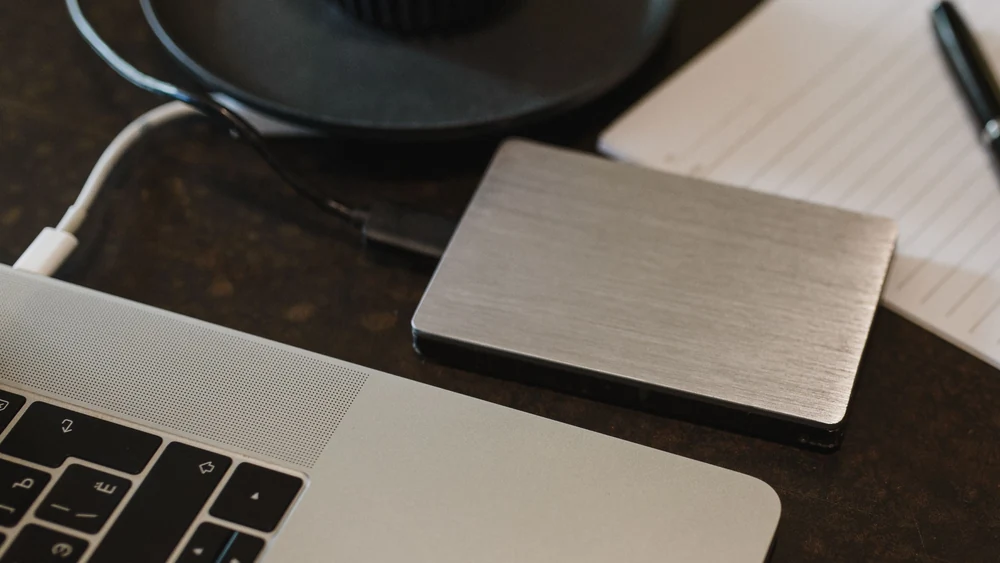
Image source: pexels.com
Records that exist only on one laptop, or in one person’s email, are one accident away from disappearing. Keep at least one backup somewhere other than the office, ideally automatic, and actually test restoring a file now and then — a backup nobody has ever restored is a hope, not a plan. Cloud storage with version history protects you from accidental deletion and ransomware as well as fire or theft. Then make sure someone other than you can reach the records: a partner, a trusted colleague or your accountant. If you were suddenly ill, could anyone find last quarter’s VAT figures? Keep business and personal money in separate accounts too; it makes every record simpler to explain.
If HMRC comes asking
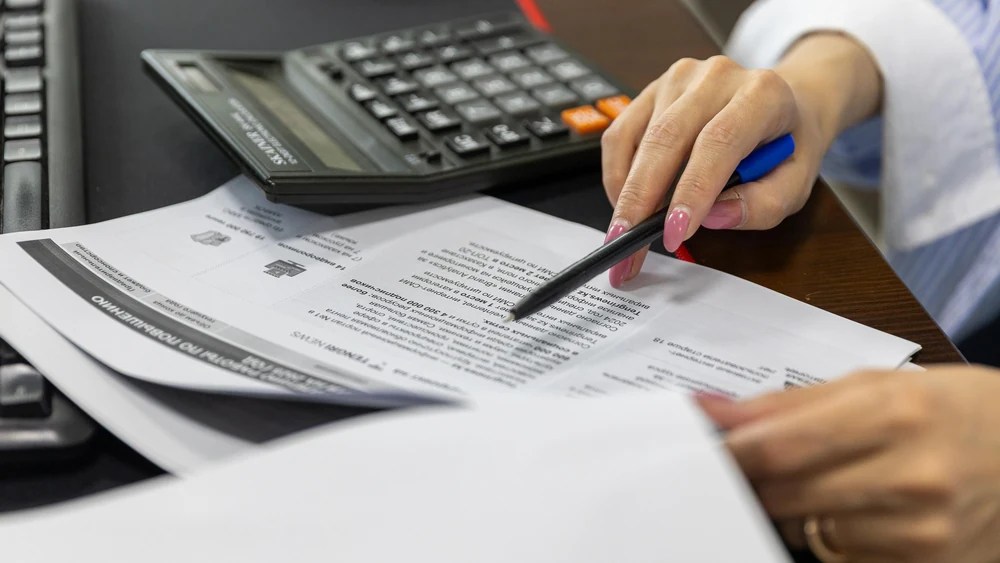
Image source: pexels.com
An enquiry is not an accusation. HMRC checks returns for many reasons, including at random, and a business with good records usually finds it a tedious formality rather than a crisis. They will typically ask for bank statements, sales records, the evidence behind larger or unusual expenses, and how you worked out any estimates. Organise records by tax year and by type, so you can hand over exactly what is asked for without digging. The expense side, which attracts most questions, is covered in business expenses and records, and the return itself in Self Assessment for the self-employed.
How Gary’s enquiry ended
It took him three weekends to rebuild the year from bank statements and supplier accounts, and HMRC accepted most of it — but disallowed £1,900 of expenses he could not evidence, plus interest. Today every receipt is photographed in the van, filed by tax year in the cloud, and his wife has the password. It takes about ten minutes a week. That is the real lesson of business record keeping: set it up once, keep it up weekly, and know exactly how long each thing must stay. For VAT-registered firms, the extra rules in our guide to VAT registration are worth checking too.
Frequently asked questions
How long do I need to keep business records in the UK?
Sole traders keep them at least five years after the 31 January filing deadline. Limited companies keep them six years from the end of the financial year.
Can I keep business records digitally?
Yes. Clear, complete digital copies are generally acceptable, and Making Tax Digital now requires digital records for VAT and some income tax.
What happens if I do not keep proper records?
HMRC can charge a penalty of up to £3,000, may disallow expenses you cannot evidence, and company directors can face disqualification.
How long should I keep payroll records?
Keep PAYE and payroll records for at least three years after the end of the tax year they relate to.
Do I need to keep receipts if I have bank statements?
Yes, ideally. A bank statement shows a payment, but a receipt or invoice shows what it was for, which is what HMRC needs to accept an expense.
When can I throw old business records away?
Once the retention period has passed and they do not affect a later year. Shred paper and securely delete digital files containing personal data.
This article is general information, not tax or legal advice. Retention periods and penalties reflect HMRC guidance as at September 2026 and can differ for particular circumstances. Check the current rules on GOV.UK or with an accountant.