Reading Your Own Company Accounts: A Guide for UK Business Owners
What the profit and loss, balance sheet and cash flow statement each tell you, and the numbers worth checking every month.


Most business owners receive their accounts once a year, glance at the profit figure, and file them. That is a missed opportunity, because the same documents answer questions that matter monthly. Reading them is a practical skill rather than an accounting one, and it sits at the centre of managing business finance.
Three Statements, Three Different Questions
The profit and loss account asks whether you made money over a period. The balance sheet asks what you own and owe at a single date. The cash flow statement asks whether the profit turned into actual money. Owners who read only the first get an incomplete and often misleadingly comfortable picture.
Starting With the Profit and Loss

Image source: pexels.com
Revenue at the top, costs below, profit at the bottom. The number worth watching is not the bottom line but gross profit — revenue minus the direct costs of delivering it. That figure tells you whether the underlying model works before overheads are considered, and a falling gross margin alongside rising revenue means the business is getting busier and poorer at once.
Look at the trend rather than the month. A single period can be distorted by an annual payment or an unusually large order, and reacting to one month produces decisions that get reversed in the next.
What the Balance Sheet Is Actually Telling You
Assets on one side, liabilities on the other, with the difference belonging to the shareholders. The useful comparison is current assets against current liabilities — what you can turn into cash within a year against what you must pay within one. If the second exceeds the first, the business has a timing problem regardless of how profitable it looks.
Watch the debtors figure in particular. Money owed to you is an asset on paper and nothing in the bank, and a debtors balance that grows faster than sales means customers are taking longer to pay.
Why the Cash Flow Statement Matters Most
This statement reconciles profit to actual movement of money, and it explains the question owners ask most often: if we made a profit, where is it? Usually the answer is in stock, in unpaid invoices, in an asset purchase, or in repaying debt — all real uses of cash that never appear as costs in the profit and loss.
Depreciation Confuses Almost Everyone
Depreciation spreads the cost of an asset across the years you use it. It reduces reported profit without any money leaving the bank in that period, because the cash went out when you bought the thing. This is why profit and cash diverge, and why a business can show a loss while its bank balance rises.
A Few Ratios Worth Calculating
Gross margin as a percentage of revenue tells you whether the model works. Net margin tells you what survives after everything. Current assets divided by current liabilities indicates whether you can meet short-term obligations. Debtor days shows how long customers take to pay. Four numbers, calculated the same way each period, reveal more than a page of commentary.
Compare Periods, Not Just Read One
A single set of accounts is a photograph. Two or three sets side by side show direction, which is the useful information. Put the same lines next to each other year on year and look at what moved disproportionately — a cost rising much faster than revenue is the kind of thing that never announces itself in a single period.
What a Lender Reads First
Lenders assessing you go to different places than you might expect: the trend in turnover and margin, the level of existing debt, whether the business is generating cash rather than just profit, and how much the directors are taking out. Knowing what they look at lets you anticipate the questions rather than being surprised by them.
Common Misreadings
Treating turnover as a measure of success, reading profit as available cash, and assuming a healthy balance sheet means healthy liquidity are the three most frequent. Each has caused businesses to make commitments the numbers did not actually support.
The Notes Are Not Optional Reading
Statutory accounts include notes explaining accounting policies, breakdowns of larger figures, and details of any transactions with directors. These are frequently where the genuinely interesting information sits, and they are the part almost nobody reads.
Filed Accounts Are Public
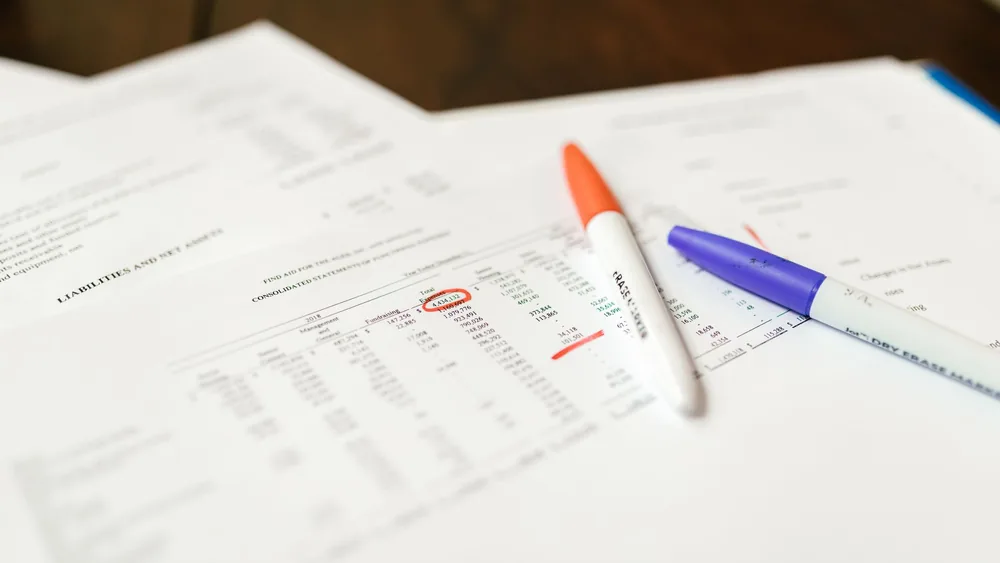
Image source: pexels.com
For a limited company, accounts filed at Companies House can be viewed by anyone — customers, suppliers, competitors and lenders included. Smaller companies may file abridged versions showing less, but what is filed is visible permanently. It also forms part of your business credit profile, which is why filing late costs more than the penalty alone.
Know Which Version You Are Looking At
Statutory accounts prepared for filing are not the same as management accounts prepared for you, and smaller companies often file abridged versions showing considerably less than the full set. Make sure you are reading the complete internal version rather than the summarised public one, because the detail you need is frequently in the part that never gets filed.
Ask Your Accountant to Explain, Not Just to File
An accountant who prepares your accounts can walk you through what changed and why, and most will do it if asked. An hour once a year spent understanding your own numbers is worth considerably more than the fee, particularly before any conversation about borrowing — lenders assessing startup business loans will read these documents closely.
Directors’ Loan Accounts Deserve Attention
Money moving between a director and the company is tracked in a loan account, and an overdrawn balance at the year end can create a tax charge. Owners frequently draw money informally through the year without appreciating this. It is straightforward to manage if you know about it and awkward if you find out afterwards.
Look at Them More Than Once a Year
Numbers Are Only Useful Against a Target
A set of accounts tells you what happened, not whether it was what you intended. Setting business goals and measuring progress is what turns the figures into a judgement.
Annual accounts are a historical record, finalised months after the period ends. Management accounts produced monthly or quarterly are what let you act on the information while it still matters. They need not be audited or perfect; they need to be timely and consistent.