Signing a Commercial Lease: What to Check Before You Commit
Heads of terms, break clauses, rent reviews and the 2026 upward-only ban, repairs and dilapidations, service charges and rates, security of tenure and personal guarantees.


Amir had found the perfect spot for his cafe: a former shoe shop on a busy Sheffield street, with big windows and a bus stop outside. The agent sent over terms the same week: a ten-year lease, a rent review in year five that could only go up, full responsibility for repairs, a personal guarantee and no way out before year ten. Amir was ready to sign. His solicitor was not. A commercial lease can easily outlast the business plan it was signed for, so the time to negotiate is before you commit, when you still have the most leverage.
| Clause | What Amir was offered | What he negotiated |
|---|---|---|
| Length | 10 years, no break | 10 years, tenant break at year 5 |
| Rent review | Upward-only at year 5 | Review linked to inflation, with a cap |
| Repairs | Full repairing | Limited by a photo schedule of condition |
| Guarantee | Personal guarantee for the whole term | Six-month rent deposit instead |
| Incentive | None | Four months rent-free for the fit-out |
Most of the deal is done at heads of terms

Image source: pexels.com
Before any lease is drafted, the landlord’s agent sends heads of terms: a short summary of rent, length, breaks, repairs, rent reviews and incentives. This is where most of the negotiating happens, and where small tenants most often give things away without realising. Once solicitors are drafting, changing the basics is harder and more expensive. Agents who are members of the Royal Institution of Chartered Surveyors must follow its Code for leasing business premises, which expects them to encourage unrepresented tenants to take advice and to provide clear terms. Ask for everything important in writing at this stage, and get a solicitor to look at the heads of terms before you agree them, not just the final lease.
Length, and a break clause you can actually use

Image source: pexels.com
Landlords prefer long leases; small businesses need flexibility. A ten-year lease on a new cafe is a big bet. The usual compromise is a tenant break clause, letting you end the lease early on a set date with notice. But break clauses are strictly enforced, and many are lost on technicalities. If the clause says rent must be fully paid, or the premises returned with vacant possession, or all repairs done, the landlord can argue you failed the condition and the lease carries on. Negotiate a break that depends only on giving proper notice and paying the rent due. Then diarise the notice deadline carefully, because missing it by one day usually means staying for years.
Rent reviews, and the coming ban on upward-only

Image source: pexels.com
Many leases include a rent review every three or five years. The classic landlord-friendly version is upward-only: the rent can rise to market level but never fall. That is changing. The English Devolution and Community Empowerment Act 2026, which became law in April 2026, will ban upward-only reviews in new and renewed business leases in England and Wales. The ban is not yet in force, and is expected to be switched on in 2027 or 2028; existing leases are not affected. Until then, you can still negotiate a fairer review, such as one linked to inflation with a cap and collar, or an open market review that can go both ways. Build the likely rent into your cash flow forecast.
Repairs are the hidden cost
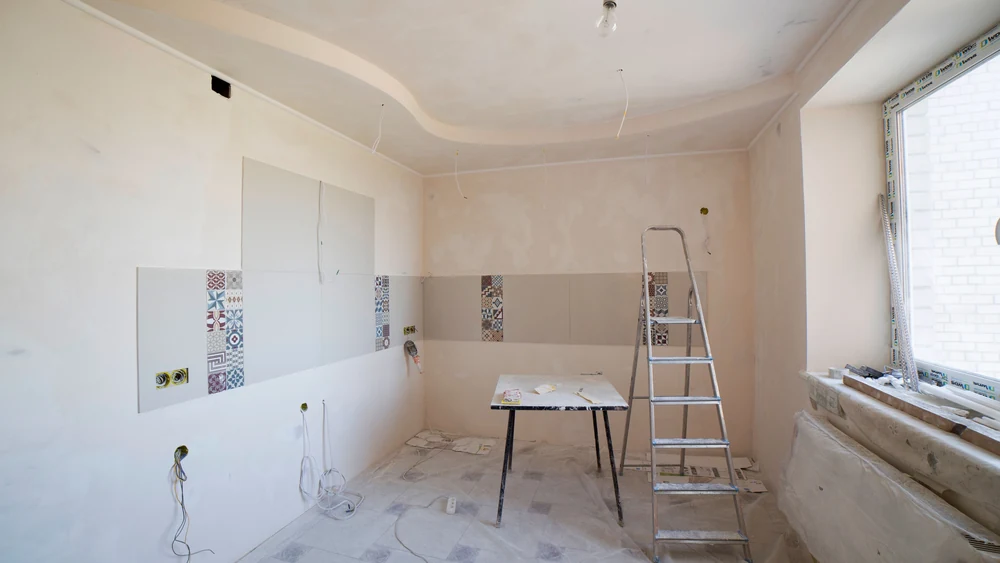
Image source: pexels.com
A full repairing and insuring lease can make you responsible for putting the building into good repair, even if it was in poor condition when you moved in. Old shops often have leaking roofs, tired electrics or damp that becomes your problem on signing. Protect yourself with a schedule of condition: a detailed, photographed record of the state of the premises, attached to the lease, limiting your obligation to keeping it no worse than that. For a whole building, consider paying a surveyor to inspect before you commit. Amir’s survey found a failing flat roof over the kitchen. The landlord agreed to fix it before completion.
Dilapidations at the end
When the lease ends, the landlord can claim the cost of repairs you should have done, known as dilapidations. It can also require you to remove your alterations and put the premises back as they were. For a cafe with a new kitchen, extraction and seating, that can be a five-figure bill arriving just as you leave. Keep the schedule of condition safe, maintain the premises as you go, and keep photos and receipts for work done. Agree in writing when you make alterations whether they must be removed at the end. If you ever sell the business, dilapidations can also affect the price, as our guide to exit planning explains.
The costs on top of rent

Image source: pexels.com
Rent is only part of what a unit costs. In a shared building or parade you may pay a service charge for common areas, which can rise without much warning, so ask for the last three years’ figures and any planned major works. The landlord usually insures the building and recharges you, so check the premium and what it covers alongside your own business insurance. Business rates are separate and payable by you; since the 2026 revaluation in England, properties with a rateable value up to £12,000 can get full small business rate relief, as our guide to business rates explains. On larger leases, stamp duty land tax may be due on the rent too.
Use, alterations and energy rules

Image source: pexels.com
Check that the lease allows your use, and separately that planning permission does. A shop lease may not permit hot food, and a change from retail to cafe may need planning consent for extraction or opening hours. Agree in advance what alterations you can make, especially for a fit-out. Most landlords need to meet minimum energy standards, which currently mean the property must have at least an E energy rating to be let, so ask for the certificate. You will also usually be responsible for fire safety in the parts you control, as our guide to health and safety for small businesses explains. Ask for rent-free months to cover the fit-out period while no money is coming in.
Security of tenure
Under the Landlord and Tenant Act 1954, many business tenants in England and Wales have a right to renew their lease when it ends, unless the landlord has a specific ground to refuse, such as redevelopment. Landlords often ask to “contract out” of this right. To do that properly, they must serve a warning notice before the lease is signed and you must make a declaration accepting it. For a short lease that might be fine. For a business that will spend heavily on fitting out a unit and building local customers, losing the right to renew is a serious risk. Ask your solicitor to explain the trade-off before agreeing.
Personal guarantees, deposits and getting out

Image source: pexels.com
Landlords often ask directors of new companies for a personal guarantee, which puts your own home and savings behind the rent for the whole lease. Resist if you can. A rent deposit of three to six months is a common alternative, and should be held in a separate account and returned on agreed conditions. If you must give a guarantee, limit it in time or amount. Check also whether you can assign the lease to a buyer or sublet part of the premises; if trading gets difficult, as our guide to trading through a downturn explains, being able to pass the lease on can save the business.
What Amir signed
After three weeks of negotiation, Amir signed a ten-year lease with a tenant-only break at year five that depended only on notice and rent, a capped inflation-linked review, a photo schedule of condition, a six-month deposit instead of a personal guarantee, and four months rent-free for the fit-out. His solicitor’s fee was a fraction of what the original terms could have cost him. A commercial lease is one of the biggest contracts a small business signs. Read every clause, model the full cost and negotiate before you commit, not after.
Frequently asked questions
What should I check before signing a commercial lease?
Length and break clauses, rent reviews, repairing obligations, service charges, permitted use, security of tenure, guarantees and assignment rights.
Are upward-only rent reviews banned in the UK?
A ban in England and Wales became law in April 2026 but is not yet in force. It will apply to new and renewal leases, not existing ones.
What is a schedule of condition?
A photographed record of the premises attached to the lease, so you are not required to leave them in better condition than you found them.
Can a landlord refuse to renew a business lease?
Only on specific grounds if the lease has 1954 Act protection. If you contracted out, the landlord can simply decline.
Do I have to give a personal guarantee?
No, but landlords often ask. Offer a rent deposit instead, or limit any guarantee in time or amount.
Who pays business rates on a leased shop?
The tenant, in almost all cases. Small business rate relief may cut or remove the bill for smaller properties.
This article is general information about business leases in England and Wales as at September 2026, not legal advice. Scotland and Northern Ireland have different rules. Always use a solicitor before signing a lease.