Health and Safety for Small Businesses: What You Must Do
Risk assessments, the five-employee rule for a written policy, stress as a safety issue, first aid, RIDDOR reporting and duties to contractors, with HSE's 2024/25 figures.

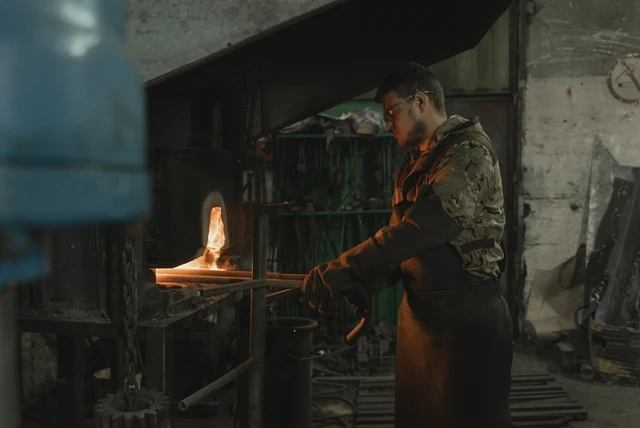
Kev ran a small joinery workshop in Stoke with four staff, and in twelve years nobody had been seriously hurt. Then an apprentice caught his hand on an unguarded saw on a busy Friday afternoon. He recovered, but the questions afterwards were hard: where was the risk assessment, who had trained him, why was the guard off? Kev had meant to sort all of that out. Health and safety for small businesses sounds like paperwork, but it is really about a handful of sensible habits that stop people getting hurt — and protect the business when something does go wrong.
| Great Britain, 2024/25 (HSE) | Figure |
|---|---|
| Workers with work-related ill health | 1.9 million — highest on record |
| Stress, depression or anxiety | 964,000 workers |
| Musculoskeletal disorders | 511,000 workers |
| Self-reported non-fatal injuries | 680,000 |
| Worker fatalities | 124 |
| Working days lost | 40.1 million |
The scale of the problem

Image source: pexels.com
It is easy to think serious harm happens elsewhere, on building sites or in factories. The figures say otherwise. The Health and Safety Executive estimates that 1.9 million workers in Great Britain suffered work-related ill health in 2024/25, the highest on record, and there were around 680,000 self-reported non-fatal injuries and 124 deaths. Together they cost 40.1 million working days. For a small firm, one long-term absence can mean a missed contract or an owner working every evening to cover. Injuries and ill health cost the economy an estimated £22.9 billion a year, and a share of that lands on businesses exactly like Kev’s.
The risk assessment is the heart of it
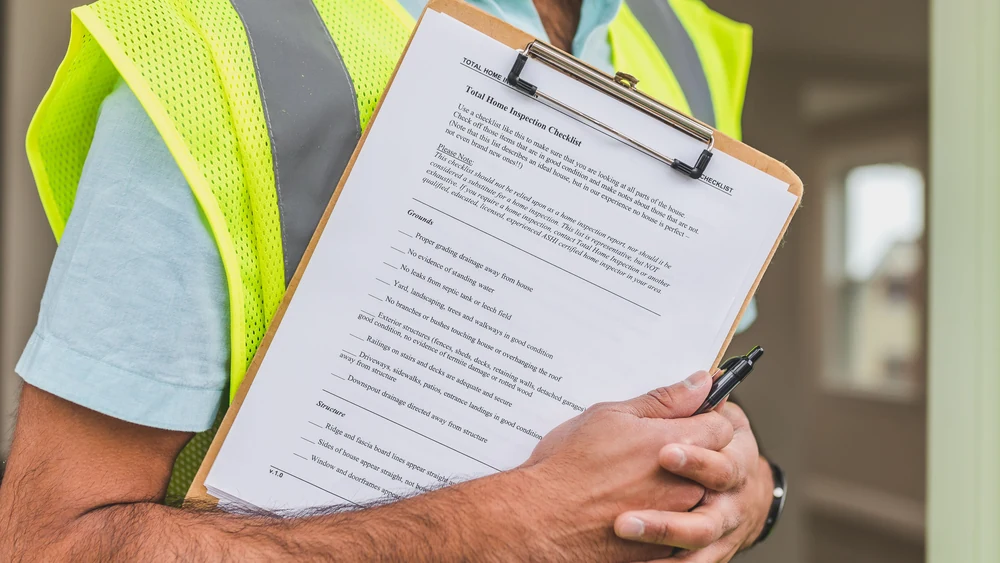
Image source: pexels.com
Every employer must assess the risks to staff and anyone else affected by the work. It does not need to be complicated. Walk around and list what could cause harm — machinery, ladders, chemicals, lifting, driving, slips, heavy workloads. Decide who could be hurt and how. Then decide what you are already doing and what more is reasonable: a guard, training, better storage, a rule about lone working. Kev’s saw had a guard; it had simply become normal to take it off for awkward cuts. A good risk assessment would have caught that habit. Review it when something changes — new equipment, a new process or an accident — and at least once a year.
Five or more staff? Write it down

Image source: pexels.com
If you employ five or more people, you must record the significant findings of your risk assessment and have a written health and safety policy saying who is responsible for what and how you manage risks. Smaller firms still need to assess risks; they just do not have to write the findings down, though it is sensible to. You also need to appoint a competent person to help — often the owner, a trained staff member or an outside adviser — consult your staff, and display the Health and Safety Law poster or give each worker the leaflet. Keep training records alongside your other business records, because they are the first thing anyone asks for after an accident.
Stress and mental health count too

Image source: pexels.com
The biggest single cause of work-related ill health is not a machine. 964,000 workers reported stress, depression or anxiety caused or made worse by work in 2024/25. In small businesses the causes are usually familiar: too much work for too few people, unclear roles, difficult customers and long hours. Treat it as part of the risk assessment. Look at workloads honestly, talk to staff regularly, deal with conflict early and make it easy to raise problems. Protecting staff from abusive customers is part of this, as our guide to dealing with difficult customers explains. Musculoskeletal problems — backs, necks, repetitive strain — affected 511,000 more, so seating, lifting and screen set-up matter as well.
Fire safety is a separate duty
Fire safety has its own law in England and Wales, the Regulatory Reform (Fire Safety) Order 2005. Whoever controls the premises — usually the employer or the landlord, depending on the lease — is the “responsible person” and must carry out a fire risk assessment. Since October 2023, every responsible person has had to record that assessment in writing, whatever the size of the business. Check escape routes are clear, alarms and extinguishers are tested, staff know what to do and someone is in charge of evacuation. Kev’s workshop was full of sawdust and offcuts, so keeping the floor clear became a fire rule as much as a slip rule. Your local fire and rescue service can advise if you are unsure.
First aid and accident records
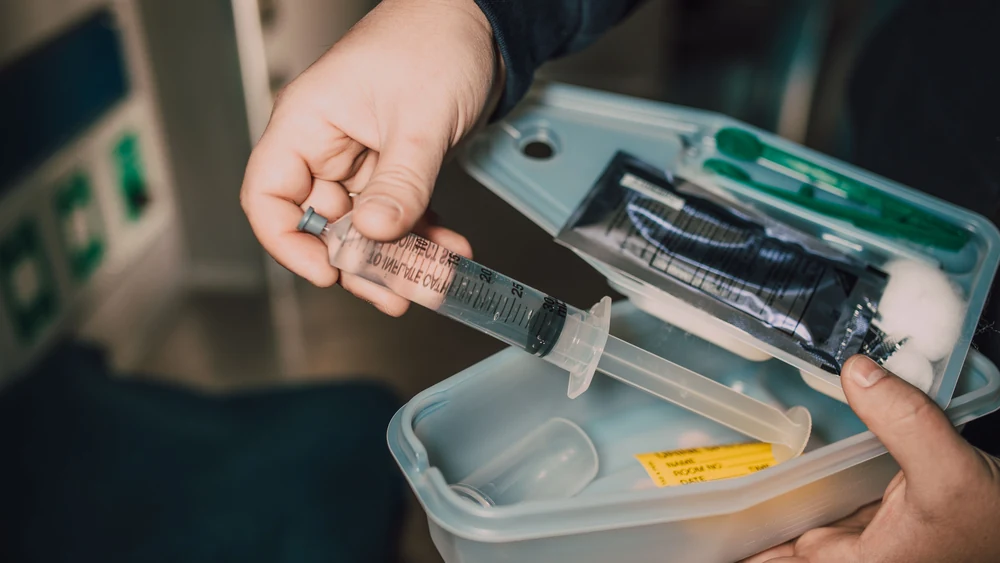
Image source: pexels.com
Every workplace needs adequate first aid arrangements. For a low-risk office that might be a stocked first aid kit and an appointed person to take charge in an emergency; higher-risk workplaces usually need trained first aiders. Base the decision on your risk assessment, the number of people and how far you are from medical help. Keep an accident book, recording what happened, when and to whom, and look at it regularly for patterns. Two minor cuts from the same machine in a month are a warning worth heeding. Kev now has two trained first aiders and reviews the accident book at every monthly team meeting.
When you must report an accident
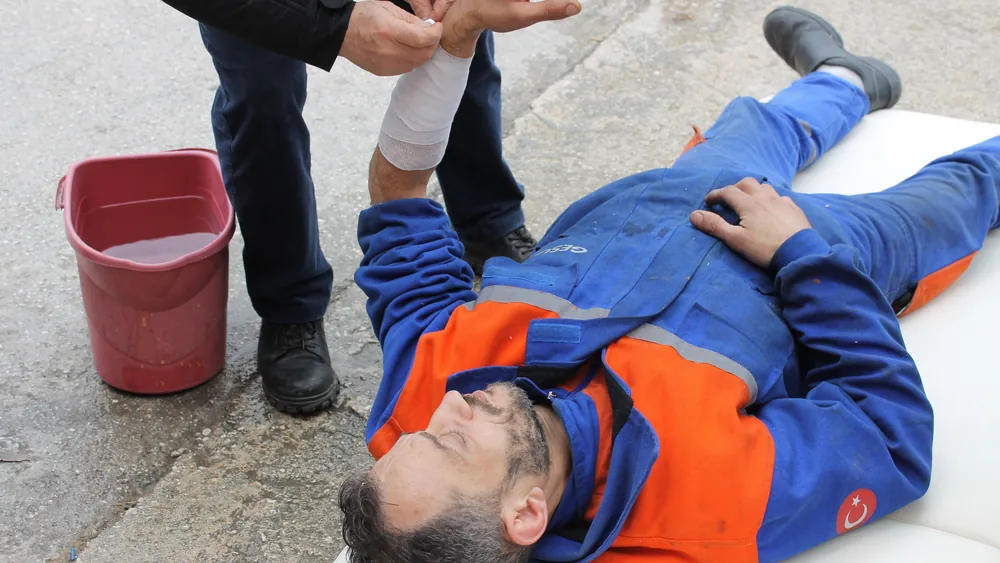
Image source: pexels.com
Some incidents must be reported to the Health and Safety Executive under the rules known as RIDDOR. These include deaths, certain specified serious injuries such as most fractures and amputations, injuries that keep a worker off normal duties for more than seven days, some occupational diseases, and certain dangerous occurrences even when nobody is hurt. Reports are made online, and the deadlines are short, so check the HSE guidance as soon as something serious happens. Keep your own records too. Reporting is not an admission of fault; failing to report when you should can create a separate problem.
Home workers and people working alone
Your duties follow your staff home and out on the road. For people working from home, check they have a safe set-up for screen work — a proper chair, screen at the right height, regular breaks — and keep in touch so isolation or overwork does not creep up unnoticed. For lone workers, such as someone visiting customers’ homes or opening up early, agree check-in times, make sure someone knows where they are, and give them a way to raise the alarm. Driving for work is one of the most common serious risks for small firms, so check licences, make sure vehicles are maintained and plan journeys so nobody is driving tired at the end of a long day.
Contractors, visitors and premises
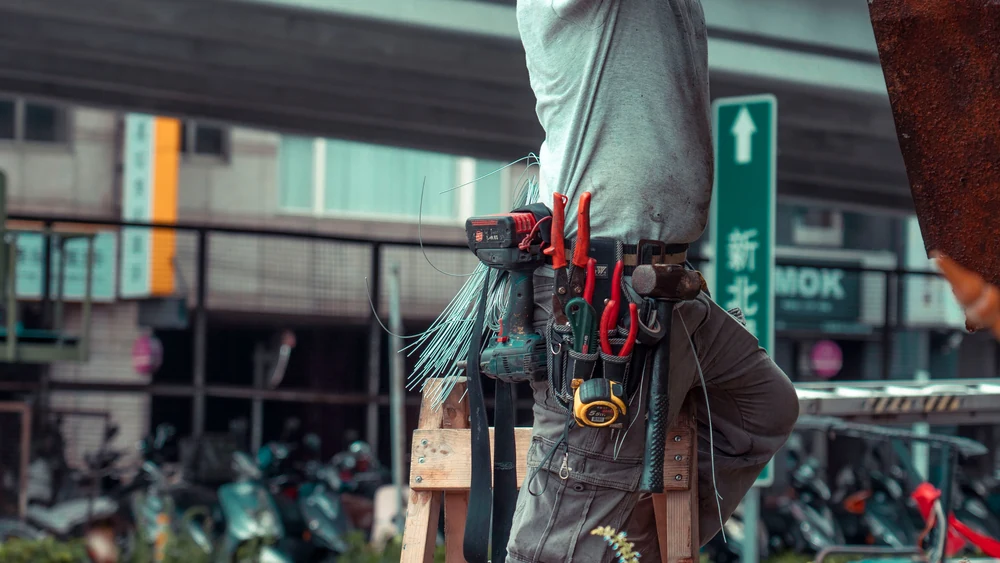
Image source: pexels.com
Your duties do not stop at your own employees. Anyone affected by your work — contractors, freelancers, visitors, customers — is covered. When you bring in a contractor, check they are competent, agree how the work will be done safely and make sure they know your site rules. Whether someone is legally an employee or not affects other obligations, which we cover in contractors versus employees and working with freelancers. If you rent premises, the lease should make clear who looks after the building, fire safety systems and gas and electrical checks; our guide to commercial leases covers what to check.
What Kev changed
He wrote a proper risk assessment with his team, fitted a better guard that could not easily be removed, trained everyone on the saws and made one person responsible for checking equipment each Monday. He also made sure his employers’ liability insurance was in date, which turned out to matter. Health and safety for small businesses is not about binders on a shelf. It is about noticing risks before someone gets hurt, acting on them, and being able to show you did. It fits naturally into the wider work of managing business risk.
Frequently asked questions
Do small businesses need a health and safety policy?
Every employer must manage health and safety. If you have five or more employees, you must have a written policy and record risk assessment findings.
What is a risk assessment?
A check of what could cause harm in your work, who could be hurt and what you are doing to reduce the risk, reviewed when things change.
What accidents must be reported to HSE?
Under RIDDOR, deaths, certain serious injuries, injuries causing over seven days off normal duties, some diseases and dangerous occurrences.
Is work-related stress a health and safety issue?
Yes. In 2024/25, 964,000 workers reported work-related stress, depression or anxiety, so it belongs in your risk assessment.
Do I need first aiders at work?
You need adequate first aid arrangements. Low-risk workplaces may only need a kit and an appointed person; higher-risk ones usually need trained first aiders.
Am I responsible for contractors’ safety?
Yes, you have duties to anyone affected by your work, including contractors and visitors, alongside their own responsibilities.
This article is general information about health and safety law in Great Britain, not legal advice. Statistics are from HSE’s 2024/25 annual release. Northern Ireland has its own regulator. Check HSE guidance for your sector.