Feeding Tropical Fish: How Much, How Often, and What Goes Wrong
Overfeeding is the most common mistake in home aquariums, and it shows up in the water rather than the fish.

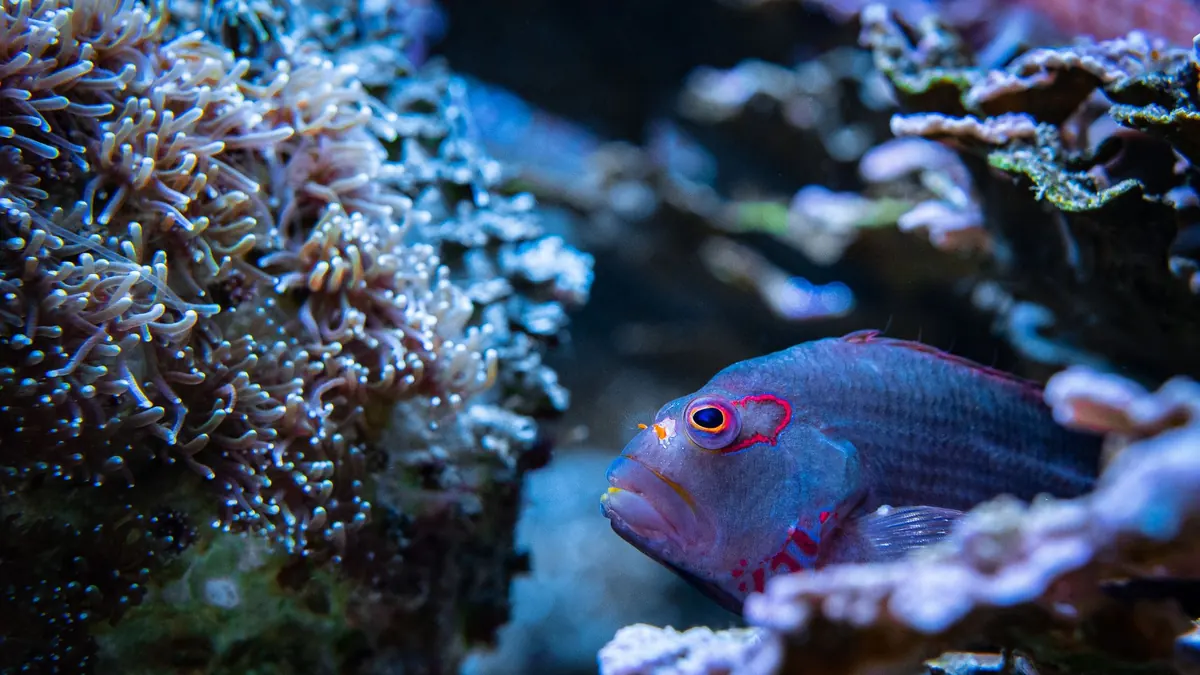
Almost every problem a new aquarium owner brings to a shop traces back to the same habit. The fish look hungry, they always look hungry, so they get fed again. The food they do not eat breaks down, the water chemistry shifts, and the fish that die are killed by the water rather than by starvation.
Fish are extremely good at appearing desperate. Begging behaviour at the front glass is learned, not a reliable signal of need. Feeding to a schedule and to a measured amount, rather than in response to the fish, solves most of what goes wrong.
The Rule of Thumb
Feed only what is consumed within a couple of minutes, once or twice a day. Anything still drifting after that is too much. It is a crude rule and it is more accurate than any instinct you will develop by watching them.
Why Uneaten Food Is Dangerous
Image source: pexels.com
Food that settles into the substrate decomposes and releases ammonia. In an established tank the biological filter converts this to nitrite and then nitrate, but the capacity is finite. Overfeeding overwhelms it, and ammonia is toxic at very low concentrations.
New Tanks Are the Riskiest
A tank that has not been cycled has no established bacterial colony to process waste at all. Adding a full stock of fish and feeding generously in the first weeks is the classic route to losing most of them. Patience during this period is the whole game.
Match the Food to Where the Fish Feeds
Surface feeders take flakes, mid-water species do well on slow-sinking granules, and bottom dwellers such as corydoras need sinking pellets or wafers that actually reach them. Assuming flake food serves everyone leaves the bottom of the tank underfed and the top overfed.
Catfish Are Not Cleaners
Bottom dwellers are frequently bought on the understanding that they will live off leftovers. They will not thrive that way. They need their own food, generally put in after lights out when faster species are less active.
Variety Within Reason
A good staple flake or pellet as the base, with frozen or freeze-dried foods such as bloodworm or daphnia a couple of times a week, suits most community tanks. Live food is excellent and carries a small disease risk depending on source.
Herbivores Need Plant Matter
Plecs and several other species require vegetable material and wood to rasp on. Blanched courgette or cucumber, weighted down and removed after a day, is a straightforward addition that many tanks lack entirely.
Fry and Adults Differ
Young fish need small, frequent feeds of appropriately sized food, which is the one situation where feeding several times a day is correct. Crushed flake or dedicated fry food, in tiny amounts, with extra attention to water quality.
One Fasting Day a Week
Many experienced keepers skip feeding one day a week. Healthy adult fish handle this without difficulty, and it gives the system a chance to clear. It is not essential, and it is a reasonable safeguard in a heavily stocked tank.
Holidays and Automatic Feeders
Most established tanks of adult fish cope with a week unfed far better than with a neighbour who feeds generously every day. If someone is helping, pre-portion the food into daily containers rather than leaving them the tub.
Food Goes Off
Flake food loses vitamin content within a few months of opening, particularly if the tub sits in a warm room with the lid off. Buying a size you will use within about three months is more sensible than buying the large tub on offer.
Feed After the Lights Are On
Feeding in darkness or immediately after switching on a bright light unsettles fish and increases the amount that goes uneaten. A short interval between lights on and the first feed gives everything time to settle.
Where to Get Species Advice
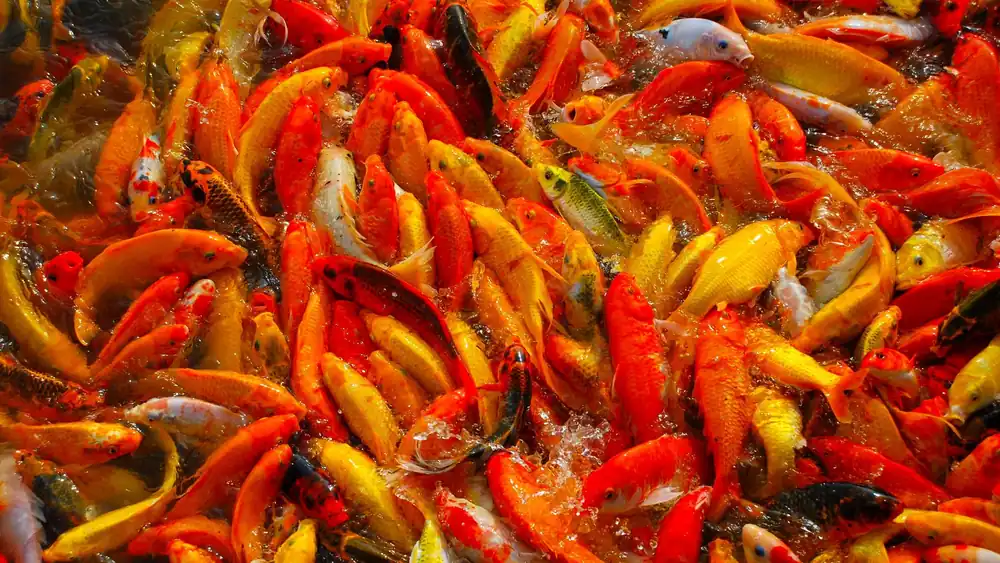
Image source: pexels.com
Requirements vary enormously between species that share a tank happily, and generic advice only goes so far. Reputable aquatic retailers and welfare organisations such as PDSA publish species guidance worth checking before buying rather than after.
Watch the Fish, Not the Clock
Well-fed fish have a slightly rounded belly profile and active behaviour. A sunken belly, listlessness or fish that stop competing at feeding time are worth investigating. A hollow appearance in one fish while others look fine suggests it is not getting its share.
Test the Water Rather Than Guessing
A basic test kit for ammonia, nitrite and nitrate tells you whether your feeding regime is sustainable. It converts an argument about opinion into a number, and it is the single most useful purchase after the tank itself.
Aggression at Feeding Time
In mixed communities, faster or bolder species take most of the food. Feeding at two points in the tank simultaneously, or distracting dominant fish at one end, gives quieter species a chance. This is a stocking problem as much as a feeding one.
Read the Composition
Fish food carries the same style of labelling as other pet food, with a composition list and an additive panel. The habits in reading a pet food label transfer, and the position of fish or fishmeal in the ingredient order is informative.
Changing Foods
Fish can be conservative about unfamiliar food and may ignore a new product for a day or two. Introduce it gradually alongside the existing one rather than switching outright, which mirrors the logic behind switching food safely in other animals.
The Short Version
Feed small amounts, once or twice a day, of food suited to where each species feeds. Test the water. Resist the begging. Keepers of other species will recognise the same underlying point made in bearded dragon feeding: what an animal will accept and what it needs are different questions.
This is general feeding information, not veterinary advice. Small mammals, birds, fish and reptiles hide illness well and deteriorate quickly, so anything off-colour, off its food or losing weight should be seen by a vet with experience of that species rather than managed at home on a change of diet.