What to Feed a Rabbit: Hay, Greens and What to Avoid
Why hay is roughly eighty per cent of a rabbit diet, and what the muesli mixes get wrong.

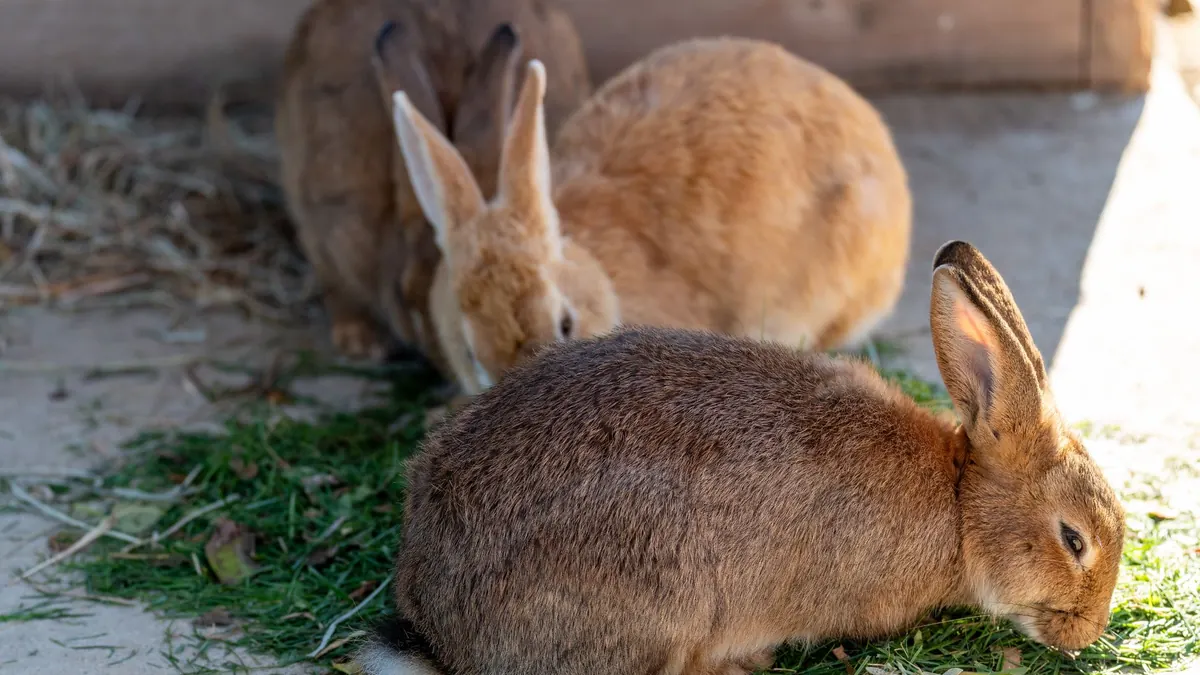
Most rabbit health problems that end up in a consulting room start in the food bowl. The animal is built around continuous grinding of tough, fibrous material, and a diet that does not provide it produces dental disease and gut problems with grim reliability. The good news is that the correct diet is also the cheapest one.
If you take one thing away, it is the proportion. Hay or fresh grass should make up the large majority of what a rabbit eats every day, by volume something close to the size of the rabbit itself. Everything else is a supplement to that, not the other way round.
Hay Is the Diet, Not the Bedding
Good feeding hay should smell sweet, look green rather than yellow, and be dusty-free. Timothy and meadow hay are the usual choices for adults. It needs to be available at all times, not offered as a handful once a day, because grazing is more or less continuous.
Why It Matters So Much
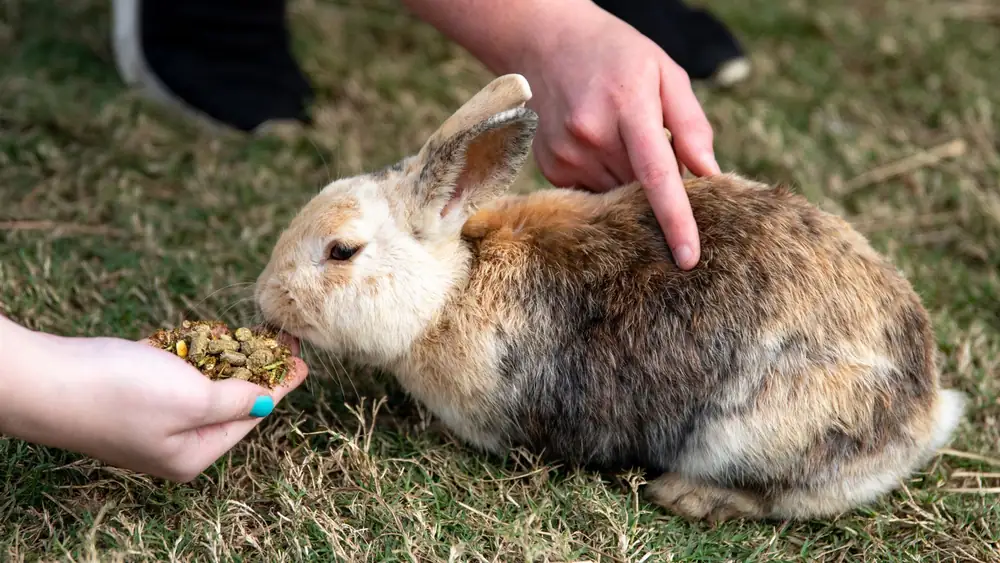
Image source: pexels.com
Rabbit teeth grow throughout life and are worn down by the side-to-side grinding that long fibre demands. Soft food does not produce that motion, the teeth overgrow, and the resulting spurs cut into the tongue and cheek. This is painful, expensive to treat and almost entirely preventable.
Fibre Keeps the Gut Moving
The same fibre drives gut motility. A rabbit that stops eating stops passing droppings within hours, and gut stasis is a genuine emergency rather than something to watch overnight. Any rabbit that has not eaten or produced droppings for twelve hours needs a vet.
Avoid Muesli-Style Mixes
Mixes containing flakes, coloured pieces and seeds encourage selective feeding: the rabbit eats the sweet, starchy bits and leaves the fibrous pellets. The result is an unbalanced diet even though the bowl appears to be emptying. Extruded single-component pellets remove the choice.
Pellets Are a Small Part
A measured amount of a good pellet, roughly an eggcup for an average adult rabbit daily, covers the gaps. More than that displaces hay, which is the opposite of what you want. If a rabbit is leaving hay to wait for pellets, you are feeding too many.
Fresh Greens Daily
A handful or two of leafy greens each day adds variety and moisture. Herbs such as coriander, basil and parsley, along with kale, spring greens, broccoli leaves and dandelion, are all sensible. Introduce new items one at a time so any that disagree are identifiable.
Lettuce, Carefully
Dark leafy varieties such as romaine are fine in moderation. Iceberg is largely water with little value and is best skipped. The old idea that rabbits live on carrots and lettuce comes from cartoons rather than from anything nutritional.
Carrots and Fruit Are Treats
Both are high in sugar. A small piece of carrot or apple occasionally does no harm; a daily habit contributes to obesity and to digestive upset. Commercial rabbit treats, particularly yoghurt drops and honey sticks, are worse than anything you would offer from the kitchen.
Things That Are Genuinely Dangerous
Avocado, rhubarb, onion, potato and most houseplants cause serious problems. Anything from the allium family should be kept away entirely. If you are unsure about a garden plant, do not offer it, since a great many ornamentals are toxic.
Grass Yes, Lawn Clippings No
Fresh grass is excellent and a rabbit will graze happily on it. Mower clippings ferment quickly once cut and heaped, and feeding them causes digestive upset. Pick grass by hand or let the rabbit graze directly in a secure run.
Forage and Browse Add Interest
Safe branches such as apple, willow and hazel give a rabbit something to strip and chew, which occupies time and wears teeth. Dried forage mixes sold for rabbits serve the same purpose. Avoid stone fruit wood and anything treated with pesticide.
Water Should Be in a Bowl
Rabbits drink considerably more from an open bowl than from a bottle, and adequate intake matters. A heavy ceramic bowl that cannot be tipped is the practical option, refreshed daily. A bottle as a backup is fine, but not as the only source.
Caecotrophs Are Normal
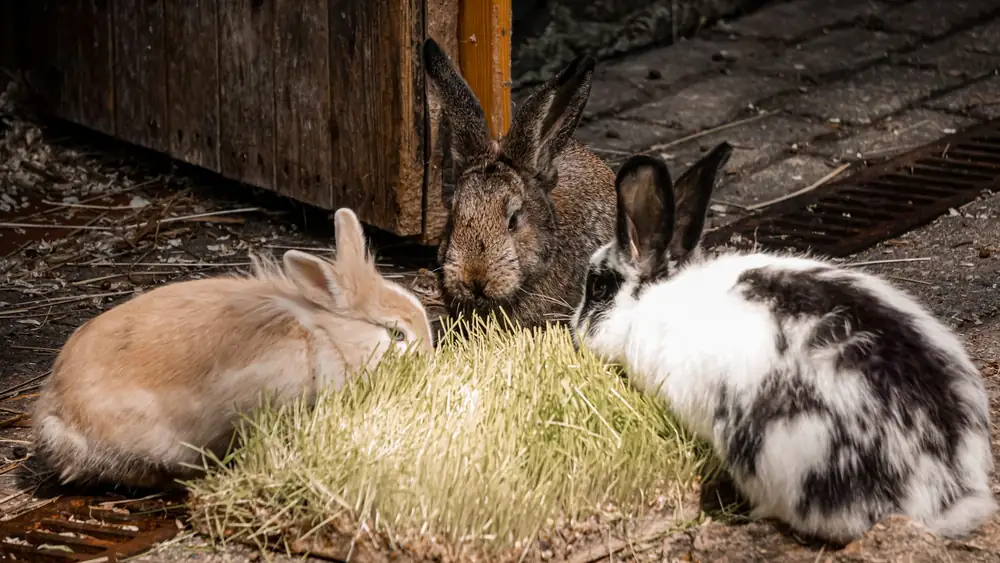
Image source: pexels.com
Rabbits produce soft droppings overnight and eat them directly, which is how they extract nutrients from fibre. Finding these squashed around the hutch is a sign something is wrong, frequently obesity preventing the rabbit reaching, or too much rich food.
Young Rabbits Differ
Growing rabbits need alfalfa hay and a larger pellet ration, moving on to timothy or meadow hay as adults. Making that change gradually matters, and the same principles that govern switching food safely in other species apply here.
Watch the Weight
An overweight rabbit cannot groom or reach its caecotrophs, which leads directly to a soiled rear end and, in warm weather, to flystrike. Judging condition by feel rather than by looks is more reliable, and the same logic behind sensible portion sizes applies.
Check the Bag, Not the Front of the Packet
Rabbit food packaging carries the same marketing language as other pet food. The composition and additive list on the back tells you more than the imagery on the front, and the approach in reading a pet food label transfers directly.
Sudden Loss of Appetite Is Urgent
It bears repeating because it is the single most useful thing an owner can know. A rabbit that stops eating needs veterinary attention the same day. Finding a practice with genuine rabbit experience in advance is worthwhile; the Royal College of Veterinary Surgeons register lets you check who is nearby.
The Diet Is Boring, Which Is the Point
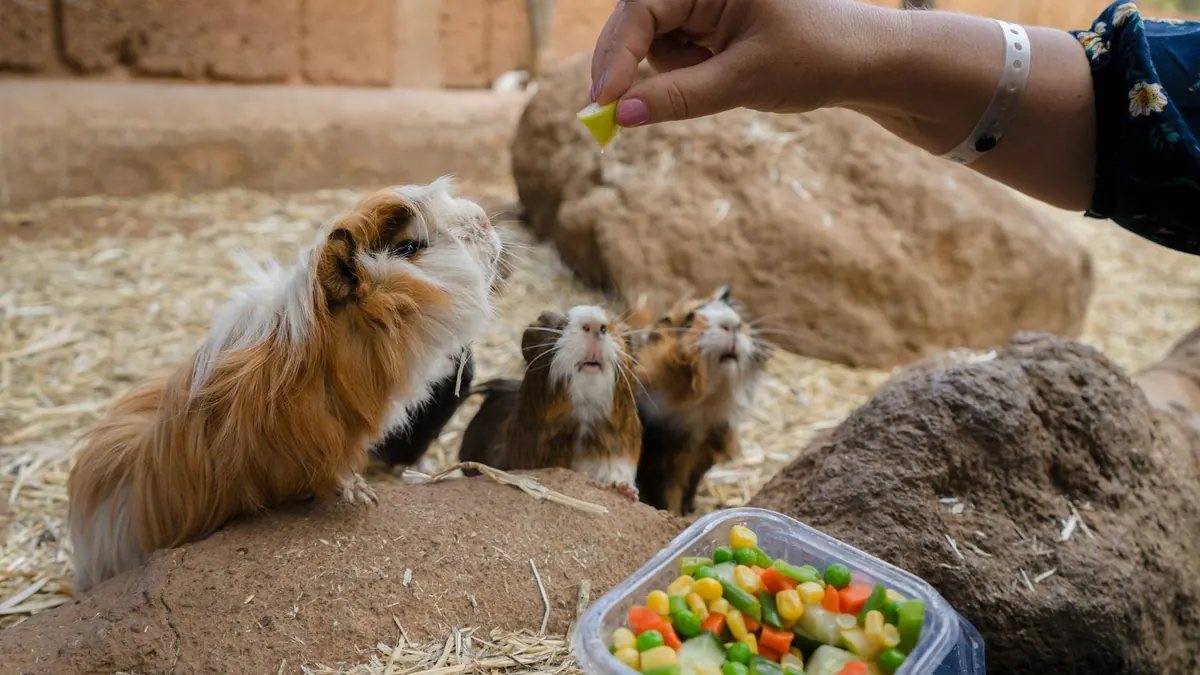
Unlimited good hay, a small measured pellet ration, a daily handful of greens and clean water in a bowl. It is unglamorous and it prevents most of what goes wrong. Owners of other small species will recognise the pattern from guinea pig feeding as well.
Feeding the Wild Ones Too
Owners of grazing pets frequently feed the garden as well, and the same principle applies: hygiene matters more than the mix. Feeding garden birds safely covers what to put out and what to avoid.
This is general feeding information, not veterinary advice. Small mammals, birds, fish and reptiles hide illness well and deteriorate quickly, so anything off-colour, off its food or losing weight should be seen by a vet with experience of that species rather than managed at home on a change of diet.