Veterinary Prescription Diets: What They Are and Why They Are Different
Foods formulated to manage specific diagnosed conditions, and why they are sold through practices rather than shops.

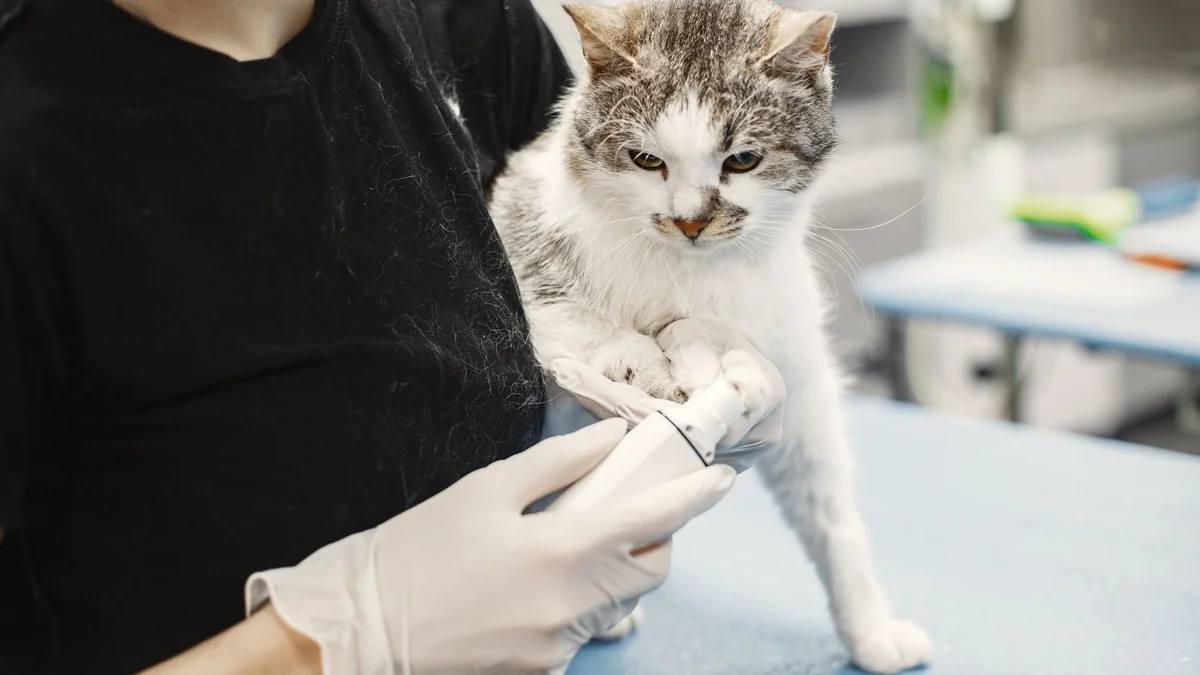
A vet recommends a specific food and it costs noticeably more than the bag in the pet shop. The difference is not packaging — these diets are formulated to alter something measurable in the animal, and they are intended to be used under supervision.
This is general information about pet food, not veterinary advice. Any animal that is unwell, losing weight, or has a suspected food intolerance should be seen by a vet — diet changes made without a diagnosis can delay identifying something else entirely.
What Makes Them Different
Nutrient levels are adjusted deliberately to manage a condition: reduced phosphorus and controlled protein for kidney disease, altered mineral levels and urine acidity for certain urinary conditions, highly digestible formulations for digestive disease, restricted energy for weight management.
Why They Need a Diagnosis First

Image source: pexels.com
A diet that helps one condition can be inappropriate for another. Reduced protein suits some kidney patients and is unsuitable for a growing animal. A urinary diet formulated for one type of crystal can worsen a different type. Using them without knowing what is being treated is genuinely risky.
Urinary Diets
These typically work by altering urine composition and encouraging greater water intake to dilute it. Which formulation is appropriate depends on the specific problem identified, which is why they are prescribed rather than chosen.
Renal Diets
Diets for kidney disease adjust phosphorus, protein quality and other nutrients, and there is good evidence they affect outcomes in diagnosed cases. Palatability can be a challenge, and wet versions are frequently preferred for the additional moisture.
Gastrointestinal Diets
Highly digestible, moderate fat and frequently with added fibre or prebiotics, these are used during and after digestive illness. Some are intended for short-term use and some for long-term management, which is worth clarifying.
Weight Management Diets
Formulated to provide a satisfying volume with fewer calories while maintaining nutrient levels, so that the animal is not simply underfed. Weight loss in pets should be gradual and monitored, particularly in cats where rapid loss carries specific risks.
Hydrolysed and Elimination Diets
Many of these sit in the prescription category because their value is diagnostic. See hydrolysed protein diets for how they work and why the trial has to be strict.
Why They Are Sold Through Practices
Because they are intended to be used for a diagnosed condition and monitored. The requirement to obtain them through a vet is a control on appropriate use rather than a commercial arrangement, though they are also a source of practice income.
Cost and Alternatives
These diets are expensive, and that is a legitimate thing to raise with your vet. There may be alternatives, different formats, or ways to source the same product more cheaply. A vet would generally rather discuss cost than have an animal taken off a diet that is working.
Do Not Mix in Ordinary Food
Adding treats or standard food alongside a therapeutic diet dilutes the effect and can defeat it entirely — particularly for urinary and renal diets where the point is controlling specific nutrients. Ask what treats are compatible.
Review Periodically
Conditions change, and a diet appropriate at diagnosis may need adjusting later. Regular review, including repeat testing where relevant, is part of using these foods properly.
Insurance Sometimes Contributes
Some policies cover prescribed therapeutic diets where they form part of treatment for a covered condition. It is worth checking your wording, since the cost over a year is substantial and many owners never ask.
They Are Not Interchangeable Between Brands
Two products described for the same condition can be formulated differently. Substituting one manufacturer therapeutic diet for another without veterinary input can undo the effect, particularly for urinary and renal management.
Keep the Packaging Details
Product name, variant and batch code are worth recording. If a question arises about response to the diet, knowing precisely which product was fed and when is the difference between a useful conversation and a vague one.
Where the Diet Is Refused
An animal that will not eat a prescribed diet is a real clinical problem, not a minor inconvenience. Tell the practice rather than quietly reverting, since there are usually alternatives and the reason for the diet has not gone away. The general approach in switching food safely still applies.
Availability and Supply

Image source: pexels.com
Therapeutic diets occasionally go out of stock, and substituting an apparently similar product is not straightforward. Ask the practice what to do if supply is interrupted rather than improvising, since the formulation differences are the point.
Different Formats Suit Different Animals
Most therapeutic ranges offer wet and dry versions, and sometimes pouches or trays. Where an animal refuses one, ask about the others before concluding the diet cannot be used.
Weight Loss Diets Need Monitoring
Rapid weight loss carries specific risks, particularly in cats, and a controlled rate is part of the plan. Regular weigh-ins are what make a weight management diet work rather than simply reduce the food.
They Are Not Permanent by Default
Some conditions require lifelong dietary management and others do not. Ask explicitly whether the diet is for a defined period or indefinite, because owners frequently continue a short-term diet for years without revisiting it.
Prescription Does Not Mean Medication
These are foods, not drugs, and the requirement to obtain them through a vet reflects the need for a diagnosis rather than any pharmaceutical status. That distinction matters when people assume a food will act quickly.
Monitoring Is Part of the Treatment
Diets managing kidney, urinary or metabolic conditions usually come with recommended testing intervals. Skipping the follow-up means nobody knows whether the diet is achieving what it was chosen for.
Tell Any Other Vet You See
Out-of-hours services and referral practices need to know what the animal is eating, because a therapeutic diet is part of the clinical picture. Keep the name of the product somewhere accessible rather than relying on recall.
Where to Get Reliable Information
Your own practice knows the animal. For general information, PDSA publishes accessible guidance, and the Royal College of Veterinary Surgeons maintains the register of qualified vets in the UK.