Intellectual Property Basics for Small Businesses
Copyright, trade marks, designs and patents explained with a real small-business story, the April 2026 IPO fee rises, owning your logo, NDAs, fake renewal letters and selling abroad.


Chloe had been selling candles as Hearth & Wick from a small studio in Brighton for three years. She had registered the company, bought the domain and built a loyal following online. Then a much bigger seller launched a range called simply “Hearth”, and her solicitor asked a question she could not answer: which of your rights are actually registered? The honest answer was none. Intellectual property for small businesses sounds like something for inventors and big brands, but your name, logo, designs and content are often the most valuable things you own.
| Right | Protects | Registration | How long |
|---|---|---|---|
| Copyright | Writing, photos, artwork, code | Automatic | Usually life + 70 years |
| Trade mark | Brand names and logos | From £205 online | 10 years, renewable |
| Registered design | How a product looks | Yes, at the IPO | Up to 25 years |
| Unregistered design | Shape of a product | Automatic | Up to 15 years |
| Patent | New inventions | Yes, costly | Up to 20 years |
Some rights are automatic, and some are not

Image source: pexels.com
The good news is that some protection costs nothing. Copyright arises automatically in original writing, photographs, artwork, music and software the moment it is created, and for most works it lasts for the creator’s life plus 70 years. There is no official register in the UK, so anyone offering to “register your copyright” is selling you something you do not need. The shape of a product can also get automatic, shorter-lived unregistered design protection. The weakness of automatic rights is proof. You have to show you created the work and when, so keep dated drafts, original files and emails. Chloe’s product photos and website copy were protected; her brand name was not.
A company name is not a trade mark
Image source: pexels.com
This is the most common misunderstanding. Registering a company at Companies House stops another company registering an identical name, but it gives you almost no rights to stop someone trading under a similar brand. Owning the domain name does not either. Only a registered trade mark gives you a clear, national right to the name for the goods or services it covers. Without one, you may have to rely on a claim called passing off, which means proving you had built up goodwill and that customers were misled. That is slow and expensive. Our guide to registering a UK company explains what incorporation does and does not give you.
Trade marks: search first, then register
Image source: pexels.com
Before choosing a name, search the Intellectual Property Office register, Companies House and the web for anything similar in your line of business. Rebranding after a year of trading is painful. Then apply. From 1 April 2026, the online fee for a UK trade mark in one class of goods or services rose from £170 to £205, the first increase since 1998, with extra fees for each additional class. A registration lasts ten years and can be renewed indefinitely. Choose your classes carefully; a mark for candles does not automatically cover clothing. Distinctive names are easier to register and protect than descriptive ones like “Best Candles”. If you plan to sell online, protect the name before you spend money on your website and packaging.
Protecting how your products look
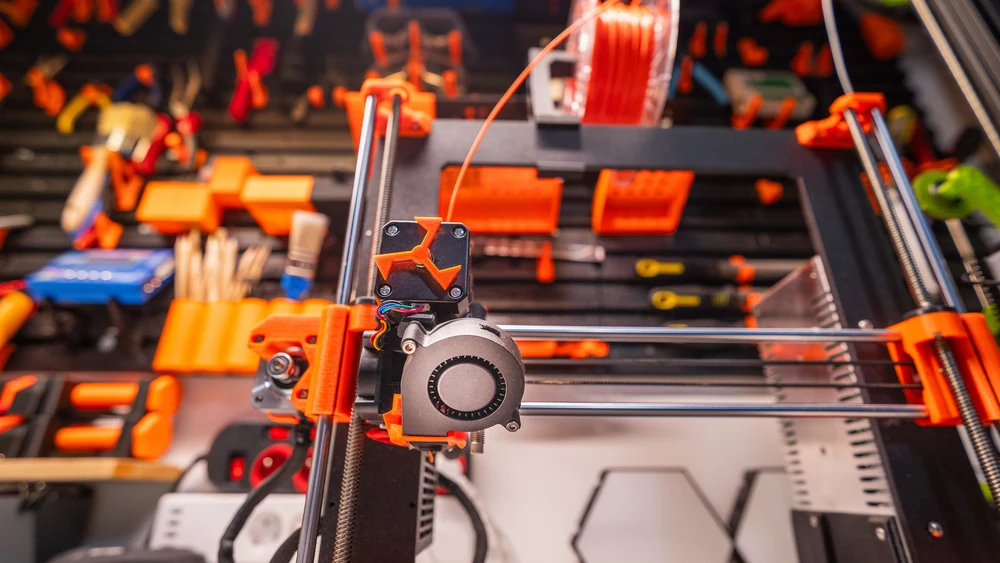
Image source: pexels.com
If the appearance of a product is what sells it, such as the shape of a jar, the pattern on fabric or the outline of a piece of furniture, a registered design can protect it for up to 25 years, renewed every five. Registration is cheap compared with a patent and gives a much stronger right than the automatic version, because you do not have to prove the other side copied you. Timing matters: in the UK you usually have a 12-month grace period after first showing a design publicly to file, but relying on that is risky, especially if you want protection abroad. Chloe registered the shape of her ribbed candle jar, which competitors had already started to imitate.
Patents are narrow, costly and secret until filed

Image source: pexels.com
A patent protects a new invention, such as a product, process or technical improvement, for up to 20 years. To qualify it must be genuinely new and not obvious, and this is where small businesses trip up: if you show, sell or describe the invention publicly before filing, you can destroy your own chance of a patent. Keep it confidential until you apply. The official filing fee is modest, £75 online since April 2026, plus search and examination fees, but professional drafting by a patent attorney typically costs thousands. Ask whether a patent is worth it for your business, or whether speed to market and a strong brand would protect you better.
Make sure the business owns what it uses

Image source: pexels.com
Chloe’s second shock was her logo. A freelance designer had created it, and under UK law a contractor keeps the copyright unless they sign a written assignment. Work made by employees as part of their job usually belongs to the employer automatically, but freelancers, agencies and even founders who created things before the company existed are different. Her designer happily signed an assignment for a small fee, but it could easily have gone the other way. Put IP clauses in every freelance contract, as our guide to working with freelancers explains. Investors check this closely; it is one of the common venture capital mistakes that stall funding rounds.
Confidentiality still has a place
Some of your most valuable know-how cannot be registered at all: recipes, supplier lists, pricing formulas and processes. These are protected as confidential information, which only works if you actually keep them confidential. Limit who has access, mark documents as confidential and use non-disclosure agreements before sharing sensitive details with manufacturers, potential partners or investors. Include confidentiality clauses in employment and freelance contracts too. An NDA will not stop a determined copier, but it makes the obligation clear and gives you a claim if it is broken. Our guide to business contracts covers the essentials.
Beware fake renewal letters
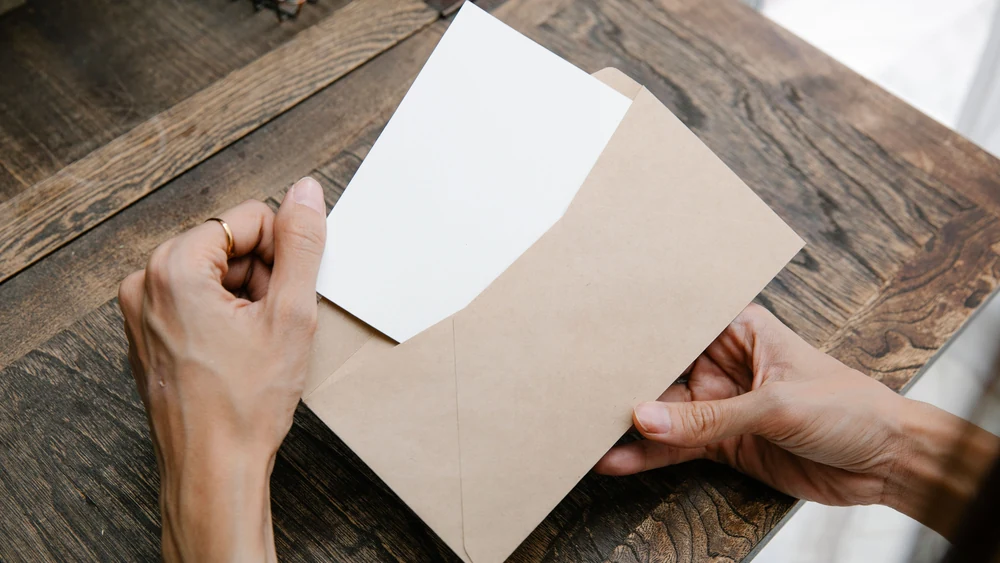
Image source: pexels.com
Once you register a trade mark or design, your details appear on a public register, and that attracts misleading letters. Private companies send official-looking “renewal notices” or “invoices” offering to publish your mark in a directory or renew it for several times the real fee. They are not from the Intellectual Property Office, and paying them usually gives you nothing useful. Check who has sent any letter, and renew only through the IPO’s own website or a solicitor or attorney you have chosen. Our guide to business fraud and scams covers other tricks aimed at small firms.
Selling abroad needs separate protection
IP rights are territorial. A UK trade mark protects you in the UK only. Since Brexit, EU trade marks and designs no longer cover the UK, and UK rights do not cover the EU, so a business selling into Europe may need both. The international Madrid system lets you extend a trade mark to many countries through one application, which is often cheaper than filing separately. Prioritise the countries where you actually sell or manufacture, and file early: in some countries, whoever files first owns the name, even if you were using it before. If you sell through online marketplaces, a registered mark also makes it far easier to get copies taken down.
What Chloe did
Chloe registered Hearth & Wick as a trade mark in the candle and home fragrance classes, registered her jar design and got the logo assignment signed. Her solicitor’s letter to the bigger seller, backed by evidence of three years’ trading, led to them changing their range name. It cost her far less than a court case. Intellectual property for small businesses is not about locking everything down. It is about knowing which few things make your business valuable, owning them properly and registering the ones that matter before someone else does.
Frequently asked questions
Does registering a company name protect my brand?
No. It only stops identical company names at Companies House. A registered trade mark gives much stronger protection for your brand.
How much does a UK trade mark cost in 2026?
From 1 April 2026, an online application costs £205 for one class of goods or services, with extra fees for each additional class.
Do I need to register copyright in the UK?
No. Copyright is automatic. Keep dated drafts and original files so you can prove what you created and when.
Who owns a logo made by a freelance designer?
The designer, unless they sign a written assignment transferring copyright to your business. Include this in every freelance contract.
Can I patent something I have already sold?
Usually not. Public disclosure before filing can destroy novelty, so keep an invention confidential until the application is filed.
Does a UK trade mark protect me in the EU?
No. Since Brexit, UK and EU rights are separate. You need an EU trade mark or an international filing to cover Europe.
This article is general information about UK intellectual property law, not legal advice. Fees are those charged by the Intellectual Property Office from 1 April 2026. Take advice from a solicitor or chartered attorney before relying on or enforcing a right.