Why Casual Online Gaming Is More Popular Than Ever in 2026
Discover why casual online gaming is growing in 2026 through mobile gaming, social experiences, and new technology trends.


On a typical evening in 2026, it is easy to find people turning to games for a few minutes of relaxation. A university student waiting for a train, a parent enjoying a quiet moment after work, or a group of friends catching up online may all be doing the same thing without even thinking of themselves as gamers. This simple shift helps explain why casual online gaming has become more popular than ever. What was once viewed as a hobby for a specific audience has grown into a mainstream form of digital entertainment enjoyed by millions across the UK and around the world. Thanks to mobile gaming, faster internet connections, social gaming features, and more accessible online gaming platforms, gaming now fits naturally into everyday life. Industry estimates suggest that more than 3 billion people worldwide play games, and a large percentage of them are casual gamers looking for convenient, enjoyable, and social experiences rather than complex challenges.
The Rise of Casual Online Gaming in 2026
The popularity of casual online gaming did not happen overnight. Over the past decade, gaming has gradually become easier to access, easier to understand, and more appealing to people who simply want entertainment that fits around their daily schedules. Unlike traditional games that often required expensive consoles, advanced skills, or long playing sessions, modern casual games are designed for convenience. A player can open a game during a lunch break, complete a challenge in a few minutes, and return to daily responsibilities without feeling committed to hours of gameplay. This accessibility has helped transform gaming from a niche hobby into one of the world’s largest entertainment industries. Industry reports indicate that gaming continues to grow despite economic uncertainty because it offers affordable entertainment that can be enjoyed almost anywhere. Casual gamers now represent one of the largest groups of players, and developers increasingly create experiences focused on simplicity, quick rewards, and enjoyable interactions. The rise of free-to-play games, hyper-casual titles, and hybrid-casual experiences has further accelerated this trend by removing barriers that once prevented new players from joining. Instead of asking users to invest significant time or money upfront, modern games allow people to start playing immediately, making recreational gaming more attractive than ever before.
How Mobile Gaming and Technology Changed Player Habits

Image source: pexels.com
The biggest reason casual online gaming has reached such a large audience is the smartphone. With nearly seven billion smartphone users worldwide, mobile gaming has placed entertainment directly into people’s hands and changed online gaming habits forever. Today, someone can enjoy a game while commuting, waiting for an appointment, relaxing at home, or taking a short break during work. This level of convenience has made gaming one of the most common online leisure activities in modern life. Mobile gaming now generates more than half of global gaming revenue, highlighting its importance within the wider industry. At the same time, advances in gaming technology have made experiences smoother and more accessible. Faster broadband networks, widespread 5G coverage, cloud gaming services, and cross-platform functionality allow players to move seamlessly between devices without losing progress. Artificial intelligence is also helping personalise recommendations, improve matchmaking, and create more engaging virtual gaming experiences. As platform boundaries between mobile devices, PCs, and consoles continue to blur, players can enjoy games on whichever device is most convenient. This combination of accessibility, flexibility, and innovation has fundamentally changed how people interact with games and has helped casual gaming become part of everyday digital life.
Why Social Gaming Experiences and Online Communities Matter
While technology plays an important role, one of the strongest reasons behind the growth of casual online gaming is the human desire for connection. Increasingly, people are not just playing games for entertainment; they are playing to socialise, communicate, and share experiences with others. Social gaming allows friends and family members to stay connected regardless of distance, while multiplayer gaming creates opportunities for teamwork, conversation, and collaboration. Many players now view games as digital gathering spaces where they can spend time with others in a relaxed environment. The growth of online communities has reinforced this trend by giving players places to share advice, discuss strategies, and celebrate achievements. Gaming communities often remain active even when players are not actively playing, creating deeper engagement and stronger relationships. The influence of gaming can also be seen beyond traditional video games. Many adults enjoy community-focused entertainment experiences where interaction is just as important as gameplay, which helps explain the continued popularity of playing on online bingo sites alongside other forms of casual online entertainment. As digital social interaction becomes a larger part of everyday life, social gaming experiences continue attracting new audiences who value connection just as much as competition.
How Online Gaming Platforms Keep Players Engaged
Modern online gaming platforms have become much more than simple places to play games. They are complete ecosystems designed to make gaming accessible, enjoyable, and engaging for people with different interests and skill levels. Imagine someone who has never played a game before receiving a recommendation from a friend, downloading an app within seconds, and immediately joining a multiplayer experience without needing expensive equipment or technical knowledge. That level of accessibility is one reason online player engagement continues to grow. Today’s platforms use intelligent recommendations, cloud-based services, and cross-platform compatibility to help users discover games that match their preferences. They also encourage long-term participation through achievements, seasonal events, community activities, and social features. The rise of user-generated content has further increased engagement by allowing players to create and share experiences with others. Many platforms are also designed to support short gaming sessions, which aligns perfectly with modern lifestyles. This ability to offer entertainment on demand has helped casual gaming compete with other digital activities for people’s attention. As gaming platforms continue evolving, they are successfully attracting audiences that traditional gaming companies once struggled to reach, helping casual online gaming maintain strong growth across different age groups and demographics.
Casual Gaming Is Becoming the Centre of Digital Entertainment
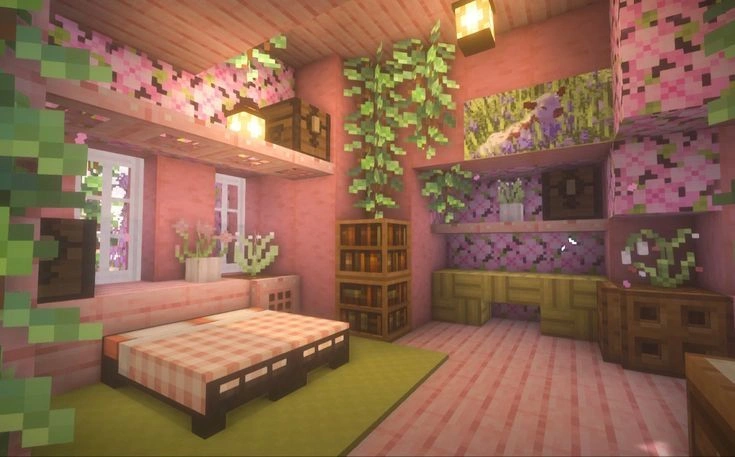
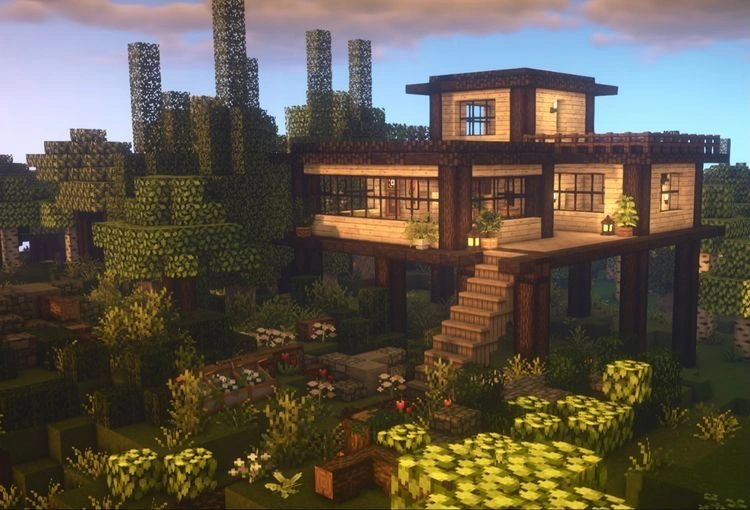
Entertainment habits have changed significantly over the past few years, and gaming is now at the centre of that transformation. Instead of simply watching content, people increasingly prefer experiences that allow them to participate, interact, and influence outcomes. Casual online gaming provides exactly that. Unlike traditional forms of entertainment that involve passive viewing, games create opportunities for decision-making, problem-solving, and social interaction. This has helped gaming compete directly with streaming services, social media platforms, and other forms of online entertainment. Industry forecasts suggest the global gaming market could exceed $300 billion within the next several years, reflecting how important gaming has become in modern culture. Casual games are particularly attractive because they provide instant entertainment without requiring major time commitments. They also connect naturally with other areas of digital life, including content creation, online communities, and creative hobbies. For example, games such as Minecraft have inspired countless projects beyond the screen, leading many players to explore ideas like Minecraft bedroom ideas that bring virtual creativity into real-world spaces. The influence of gaming can also be seen in entrepreneurship and digital business trends, where younger audiences often explore opportunities through resources covering small business ideas for teens and other technology-focused ventures. These connections demonstrate how gaming has evolved into a broader cultural and entertainment ecosystem rather than remaining a standalone activity.
What the Future Holds for Casual Online Gaming
The future of casual online gaming looks exceptionally bright because the factors driving its growth continue to strengthen. Technology is becoming more accessible, internet infrastructure is improving, and players increasingly value convenience, flexibility, and social interaction. Cloud gaming is expected to expand further, reducing the need for expensive hardware and making high-quality games available to even larger audiences. Artificial intelligence will likely continue personalising gaming experiences through smarter recommendations, adaptive gameplay, and improved community features. Social gaming platforms are also expected to become more sophisticated as developers focus on creating environments where players can connect, communicate, and collaborate more easily. At the same time, the boundaries between gaming, entertainment, and digital communities will continue to blur. Casual gaming is already influencing creative industries, online businesses, and digital lifestyles, encouraging people to develop skills that extend beyond gameplay itself. Many individuals interested in online opportunities discover inspiration through guides covering best items to sell online or exploring low investment business ideas, reflecting the wider impact of gaming culture on the digital economy. As online gaming trends continue evolving throughout 2026 and beyond, casual gaming is expected to remain one of the most popular forms of recreational entertainment because it offers exactly what modern audiences want: accessibility, connection, flexibility, and enjoyment.
Conclusion
The story of casual online gaming is ultimately a story about how entertainment has adapted to modern life. People today want experiences that fit into busy schedules, provide meaningful social interaction, and deliver instant enjoyment without unnecessary complexity. Casual online gaming achieves all of these goals by combining accessible gameplay, mobile convenience, strong online communities, multiplayer experiences, and constantly improving technology. More than 3 billion gamers worldwide demonstrate just how mainstream gaming has become, while continued growth in mobile gaming, cloud services, and social gaming platforms suggests that this trend is far from slowing down. Whether someone is looking for a quick distraction during a break, a way to stay connected with friends, or a fun form of digital entertainment after a long day, casual online gaming offers an experience that feels perfectly suited to modern lifestyles. That is why it is more popular than ever in 2026 and why its influence will likely continue growing for years to come.
What is casual online gaming?
Casual online gaming refers to games that are easy to learn, accessible to a wide audience, and designed for flexible play sessions. These games are popular because they fit into everyday life and can often be enjoyed on mobile devices, tablets, and computers.
Why is casual online gaming growing so quickly?

Image source: pexels.com
Casual online gaming continues growing because of smartphone accessibility, social gaming features, cloud gaming technology, and changing entertainment habits. People increasingly prefer convenient and interactive experiences that fit into their daily schedules.
How has mobile gaming changed player behaviour?
Mobile gaming allows players to access entertainment almost anywhere. This convenience has transformed online gaming habits by encouraging shorter but more frequent gaming sessions throughout the day.
Why are online communities important in gaming?
Online communities help players connect, share experiences, and build relationships. These communities increase engagement and make gaming feel more social, which is one reason many players continue participating long after they start playing.
What technologies are shaping online gaming trends in 2026?
Cloud gaming, artificial intelligence, 5G connectivity, and cross-platform gaming are among the most important technologies influencing online gaming trends in 2026. These innovations make games more accessible and enjoyable for a wider audience.
Will casual online gaming remain popular in the future?
Current industry trends suggest that casual online gaming will continue growing because it aligns closely with modern entertainment preferences. Accessibility, social interaction, and technological innovation are expected to drive further expansion in the years ahead.