How to Design a Contemporary Home: Complete Guide to Creating a Modern and Comfortable Space
Learn how to design a contemporary home with modern layouts, neutral colors, smart lighting, stylish furniture, and practical decor ideas for every room.

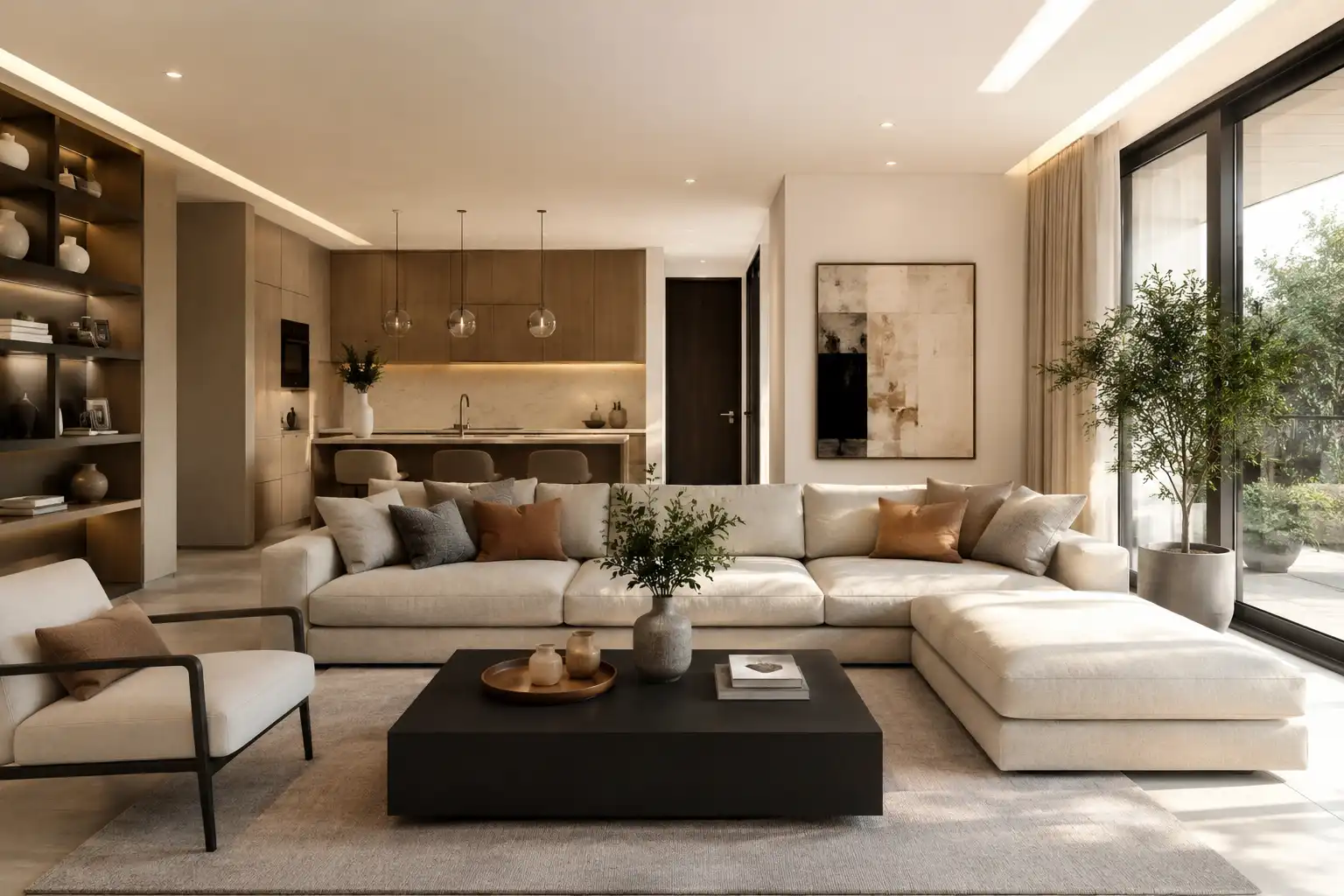
Contemporary home design is frequently confused with modern design, which is a specific historical movement. Contemporary simply means what is being done now, and in practice it describes a set of preferences: clean lines, uncluttered surfaces, generous natural light, and restraint in ornament. That makes it easier to get wrong than a more prescriptive style, because there are fewer rules to follow.
Contemporary Is Not the Same as Minimal
The common failure is confusing restraint with emptiness. A contemporary room still needs texture, contrast and warmth or it reads as unfinished rather than deliberate. The discipline is in what you leave out, not in leaving everything out — a sparse room with nothing to catch the eye is uncomfortable to be in.
Start With Light Rather Than Furniture
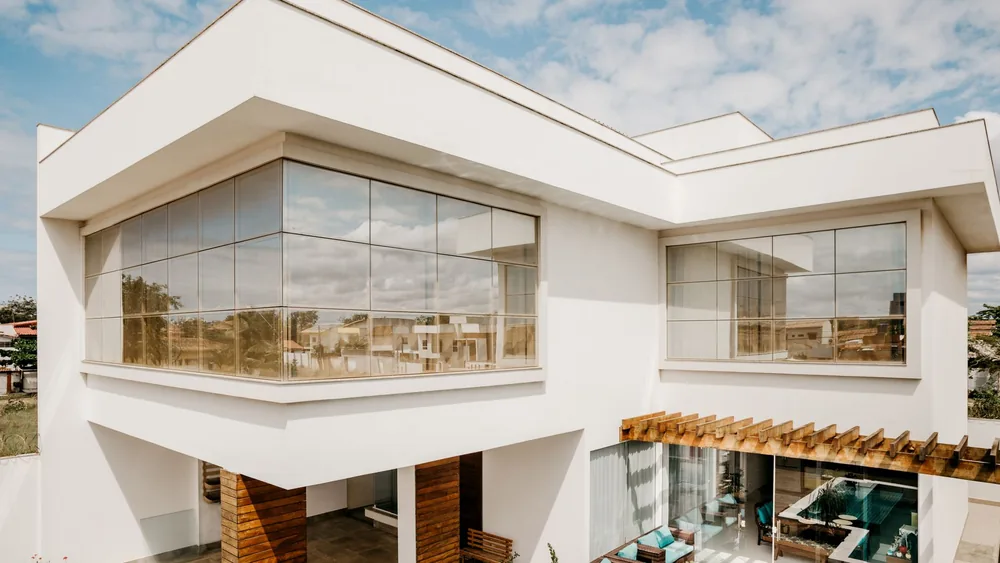
Image source: pexels.com
How a room is lit by daylight determines almost everything else: which colours work, where seating should sit, and whether the space feels generous or oppressive. Establish which way each room faces before making decisions. North-facing rooms in the UK receive cooler, less direct light and need warmer finishes to compensate; south-facing rooms tolerate cooler palettes.
Where daylight is limited, the useful moves are practical rather than decorative: larger openings where structurally possible, pale surfaces opposite windows, mirrors positioned to reflect rather than merely to decorate, and removing heavy window treatments that eat into the glazed area.
Layer the Artificial Lighting
A single ceiling fixture is the most common lighting mistake in British homes and the easiest to fix. Contemporary interiors rely on layers: ambient light for general illumination, task light where you actually read, cook or work, and accent light to give depth. Put as much as possible on dimmers, because a room needs different light at 8am and 8pm.
Pay attention to colour temperature. Warmer tones around 2700K suit living spaces; cooler temperatures suit task areas. Mixing temperatures randomly across one room is what makes lighting look accidental, and it is very visible once you notice it.
Build the Palette Around Neutrals With Depth
Contemporary schemes usually rest on neutrals, but flat magnolia is not the same as a considered neutral. Look at undertone — whether a grey leans blue, green or violet — and at light reflectance value, which manufacturers publish and which predicts how dark a colour will actually read in your room. Deciding living room colour ideas on a small card in a shop is how people end up repainting.
Test large samples on more than one wall and view them morning and evening before committing. If the scheme is heading pale, white living room decor ideas are worth considering carefully, because whites carry undertones that become obvious across a whole wall.
Use One Strong Element Rather Than Several
Restraint works when a single deliberate move carries the room — a darker wall, a bold piece of art, an unusual material. Several competing statements cancel each other out. If you are considering an living room accent wall decor idea, choose the wall the room already points towards, such as behind a fireplace or sofa, rather than one broken up by doors and windows.
Texture Is What Stops It Feeling Cold
Contemporary interiors that fail usually fail on texture. Hard, flat, shiny surfaces everywhere produce a space that photographs well and is unpleasant to occupy. Wool, linen, timber with visible grain, stone, matt finishes and woven materials introduce warmth without adding colour or pattern, which is precisely what a restrained scheme needs.
Get Furniture Scale Right
Oversized furniture in a modest British room is a more common error than undersized. Measure the space, mark the footprint on the floor with tape, and leave genuine circulation routes. Furniture with visible legs reads lighter than pieces sitting flush to the floor, which matters in smaller rooms where the amount of visible floor affects perceived space.
Storage Is the Structural Requirement
A clutter-free look is not achieved by owning less so much as by having somewhere for everything. Built-in storage that sits flush with walls, in alcoves, or under stairs disappears visually in a way freestanding furniture does not. Plan storage before styling, because it is what makes the styling sustainable. Open shelving is the exception, and bookcase decorating ideas for living room shows how it works when it is curated rather than filled.
Walls Need Something, and Scale Matters
Large empty walls read as unfinished, and small pictures scattered across them read as nervous. One substantial piece usually works better than several small ones. When considering large wall decor ideas, measure the wall and choose to roughly two-thirds of the available width rather than picking something and hoping.
Open Plan Has Real Trade-Offs
Removing walls creates light and sociability and destroys acoustic separation, cooking smells stay contained, and the ability to shut a mess away. Before committing, be honest about how the household actually lives. Broken-plan arrangements — partial dividers, level changes, glazed internal screens — frequently deliver the benefit with fewer of the costs.
Structural alterations to remove walls will usually require building regulations approval and may need planning permission depending on the property and the work. This is not optional and it affects both cost and timescale.
Zone an Open Space Deliberately
A large open room without defined areas feels like a corridor. Rugs, lighting, ceiling treatments and furniture placement all define zones without walls. The most common error is pushing all furniture against the perimeter, which makes the middle dead space and the room feel less usable rather than more.
Acoustics Deserve Attention
Hard floors, large glazed areas and open plan together produce echo, and it is the aspect of contemporary interiors people notice only after moving in. Rugs, curtains, upholstered furniture and acoustic panels all absorb sound. Planning for this is considerably easier than retrofitting a solution.
Glazing, Heat and Comfort
Large windows and glazed doors define the contemporary look and have real thermal consequences in the UK: heat loss in winter, overheating in summer where glazing faces south or west. Specification matters, and so does shading. A room that is uncomfortable for part of the year will not be used regardless of how it looks.
Ceilings Are the Forgotten Surface
Most people decorate four walls and ignore the fifth surface entirely. In a contemporary scheme the ceiling is where services, lighting and any structural changes become visible, and it is worth deciding deliberately. Recessed lighting, a shadow gap where wall meets ceiling, or a slightly different tone all read as considered rather than default.
In rooms with limited height, keeping the ceiling paler than the walls and avoiding pendant fittings that hang into the space preserves what height there is. Where a room is generously proportioned, the opposite applies and a darker ceiling can make an over-large space feel more comfortable.
Choose Materials That Age Well
Contemporary means current, which carries a risk of dating quickly. Materials with inherent character — timber, stone, brick, quality metals — improve with wear. Highly fashionable finishes and colours are the elements to keep replaceable rather than built in, so that updating a room does not mean rebuilding it.
Consider How the Space Feels, Not Only How It Looks
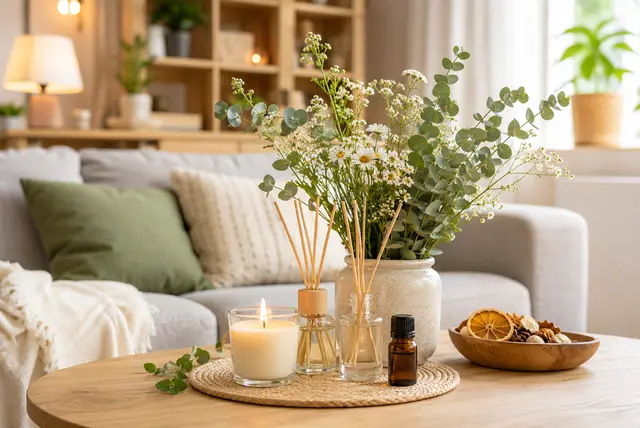
Temperature, sound, and even scent affect whether a room is pleasant far more than any design decision, and they are absent from most design writing. Once the finishes are settled, Home Fragrance Ideas are a straightforward way to make a space feel occupied rather than staged.
Flooring Sets the Tone
Flooring is the largest single surface in most rooms and the most disruptive to change, which argues for spending on it and choosing conservatively. Running the same floor through connected spaces makes a home feel larger and more coherent than changing material at every threshold. Where underfloor heating is involved, check the maximum surface temperature the product allows before choosing on appearance.
Hard floors suit the contemporary look and create the acoustic problems noted above, so plan for rugs as part of the scheme rather than as an afterthought.
Kitchens Carry the Most Cost and the Most Compromise
Image source: pexels.com
Contemporary kitchens favour handleless fronts, integrated appliances and uninterrupted worktops, all of which look calm and demand discipline in daily use. Be realistic about how you cook before committing: a kitchen designed around empty worktops needs enough concealed storage that things genuinely have somewhere to go.
Where the kitchen opens onto living space, extraction matters considerably more than in a closed room, and it is not something that can be improved cheaply later.
Bathrooms Reward Restraint
Large-format tiles with fewer grout lines, wall-hung sanitaryware and concealed cisterns produce the uncluttered look with less to clean. Ventilation is the practical requirement that decides whether the finish survives — inadequate extraction produces problems no amount of specification will offset.
Connect the Inside to the Outside
Contemporary design generally treats the garden as part of the plan rather than as what is beyond the glass. Aligning internal and external floor levels, using similar tones outside, and positioning glazing to frame something worth looking at all extend the sense of space. A large window facing a fence is a heat loss with a view of a fence.
Integrate Technology Rather Than Displaying It
Contemporary interiors dislike visible clutter, and technology is the usual offender: trailing cables, visible speakers, thermostats and switches sited without thought. Deciding socket and switch positions during first fix, when it costs almost nothing, is the difference between a considered room and one with extension leads across the floor.
Allocate the Budget by Permanence
Spend on what is difficult or expensive to change — structure, glazing, heating, flooring, wiring — and economise on what can be replaced easily, such as decorative items, soft furnishings and paint. Homeowners routinely reverse this, spending heavily on visible items while economising on the elements they will have to live with for a decade.
Know When to Bring in a Professional
An architect or interior designer earns their fee most clearly on structural changes, complex layouts and anything requiring approvals, where an error is expensive and permanent. For decorating a room within an existing layout, the value is smaller. Being clear about which situation you are in prevents both overspending on advice and underspending on it where it matters.
Do It in an Order That Works
Structural work first, then services and lighting positions, then decorating, then furniture, then styling. Reversing this is expensive: choosing a sofa before deciding whether a wall is coming down commits you to a layout you may not want. Where budget is limited, spend it on the things that are difficult to change later and economise on the things that are easy.
Final Thoughts
Learning how to design a contemporary home is about understanding balance, simplicity, comfort, and functionality. Contemporary interiors focus on creating spaces that feel modern and visually clean while still supporting everyday living and personal comfort.
By combining neutral colors, smart layouts, layered textures, modern lighting, and functional furniture, you can create a home that feels elegant without becoming cold or overwhelming. The best contemporary homes are not only beautiful to look at but also comfortable and practical to live in every day.
Whether you are decorating a small apartment or designing a large family house, contemporary design offers flexibility, timeless appeal, and modern comfort that can work for almost any lifestyle.
FAQs
How do you make a contemporary home look expensive?
Use quality furniture, layered lighting, neutral colors, and natural textures like wood, stone, and glass. Keep the space clean and uncluttered for a more luxurious look.
What flooring works best in a contemporary home?
Hardwood flooring, polished concrete, large tiles, and natural stone are popular choices for contemporary interiors.
Can you mix contemporary and traditional design styles?
Yes, contemporary and traditional styles can work together when colors, furniture, and decor feel balanced and cohesive.
What are the biggest contemporary home trends right now?
Popular trends include earthy neutral colors, smart home technology, sustainable materials, large windows, and multifunctional spaces.
How do you decorate a small contemporary home?
Use light colors, multifunctional furniture, smart storage, mirrors, and minimal decor to make small spaces feel larger and brighter.
Are contemporary homes minimalist?
Contemporary homes often include minimalist elements, but they usually feel warmer and more comfortable than strict minimalist interiors.
What lighting works best in contemporary interiors?
Layered lighting with pendant lights, floor lamps, wall sconces, and warm white bulbs works best in contemporary homes.
What materials are commonly used in contemporary home design?
Wood, glass, metal, stone, linen, and concrete are commonly used in contemporary interiors.
How do you add warmth to a contemporary interior?
Add rugs, wooden textures, soft fabrics, indoor plants, and warm lighting to make the space feel more inviting.
Why is natural light important in contemporary homes?
Natural light makes rooms feel brighter, bigger, and more open while improving the overall atmosphere of the home.