White Living Room Ideas: How to Stop It Feeling Cold
It looked calm in the photographs and now it looks like a waiting room. The two things that usually cause it, and the order to fix them in.

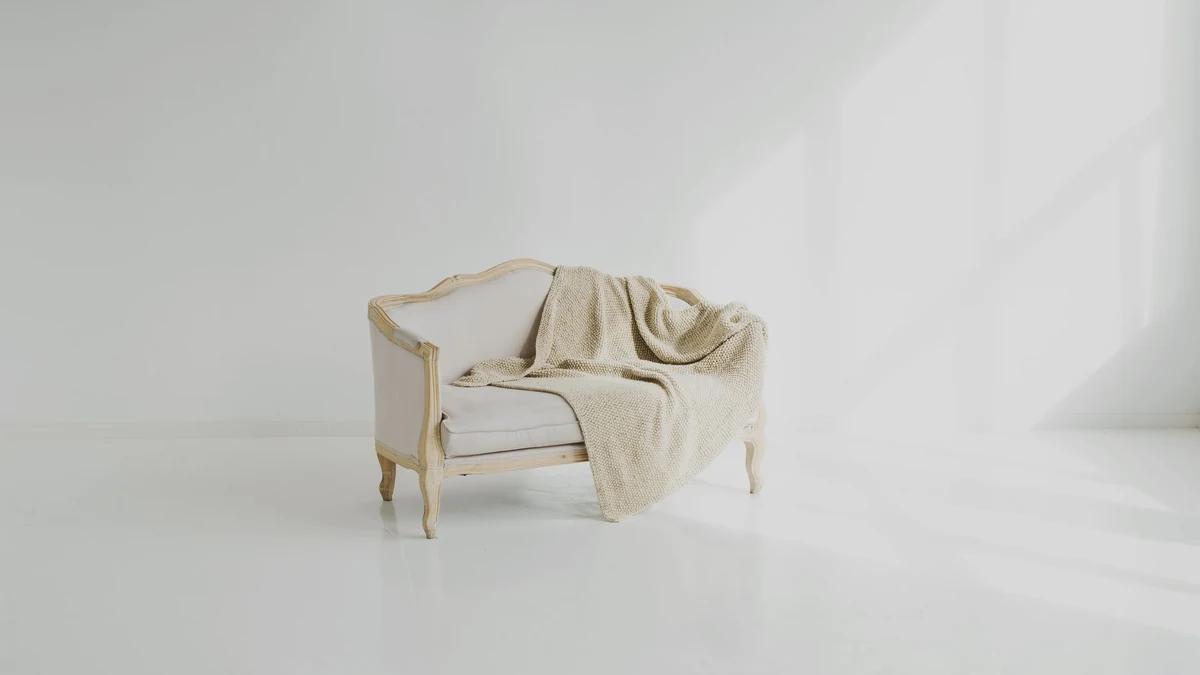
You painted the living room white because it looked calm and expensive in the photographs. Now it looks like a dentist’s waiting room, and you cannot work out what went wrong.
Nothing went wrong with the white. The problem is almost always the same two things — the light bulbs and the lack of texture — and both are cheap to fix without touching the walls.
Start with the bulbs, not the paint
This is the single most useful thing in this article, so it goes first.
Fit warm white bulbs rated between 2700K and 3000K.
That number is printed on the box. Anything cooler and your white walls tip blue the moment the sun goes down — which is the clinical look people blame the paint for. Anything warmer and you get a yellow cast that makes the room feel murky and tires your eyes.
It matters more here than in the magazines you got the idea from. Those rooms were shot in California. In Britain the lights are on from mid-afternoon for a good half of the year, so artificial light is what your white room actually looks like, most of the time.
While you are at it: use table and floor lamps rather than the big light. A white room lit from overhead is a room lit like an office.
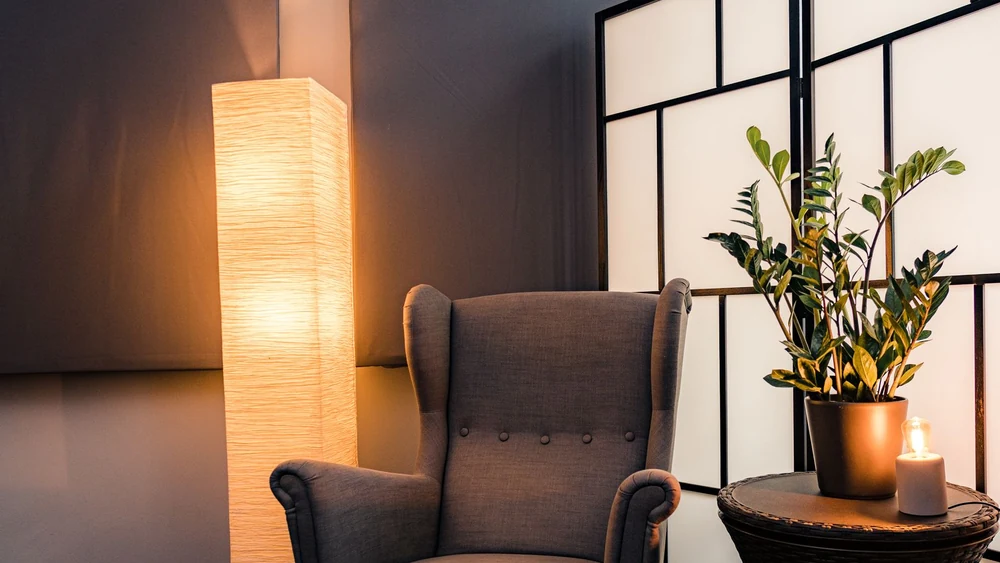
Image source: pexels.com
If you want to go further on this, we have a whole guide to living rooms with floor lamps and where to put them.
Then add texture, not more white
The instinct when a white room feels bare is to add another white thing. A white vase. A white cushion. It never works, because the problem was never quantity.
White fails when it is flat. A room can be entirely white and still feel rich, as long as the surfaces do different things with the light.
- Bouclé — the looped, nubbly fabric on half the sofas in every interiors magazine. It is popular for a reason: it holds shadow.
- Chunky knits — a heavy knitted throw over an arm does more than any ornament.
- Faux fur and sherpa for the deep-pile end of the scale.
- Linen curtains, which catch light rather than block it.
- Woven pieces — a rattan pendant shade, baskets on a wall, a jute rug.
- Marble for the opposite effect. A cold, hard, polished surface makes the soft things read as soft.
Put four of those in a white room and it stops looking unfinished, without a single new colour.
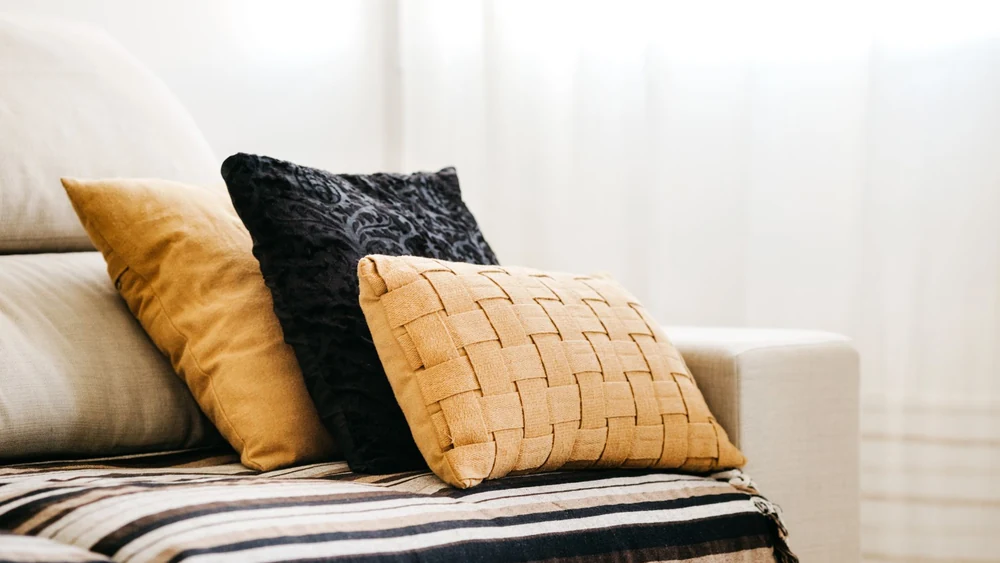
Image source: pexels.com
Wood is the warmth
If you only buy one thing, buy something wooden.
Light or golden oak against white is the most reliable combination in interiors, and it is why Scandinavian rooms look warm despite being mostly pale. A rustic coffee table, a reclaimed shelf, wooden picture frames — the grain does the work that another cushion cannot.
Avoid very dark, very red woods unless you are committing to them. It is the honey tones that soften white.
The same logic drives our guide to decorating around a brown sofa — warm wood and warm upholstery are the same trick at different scales.
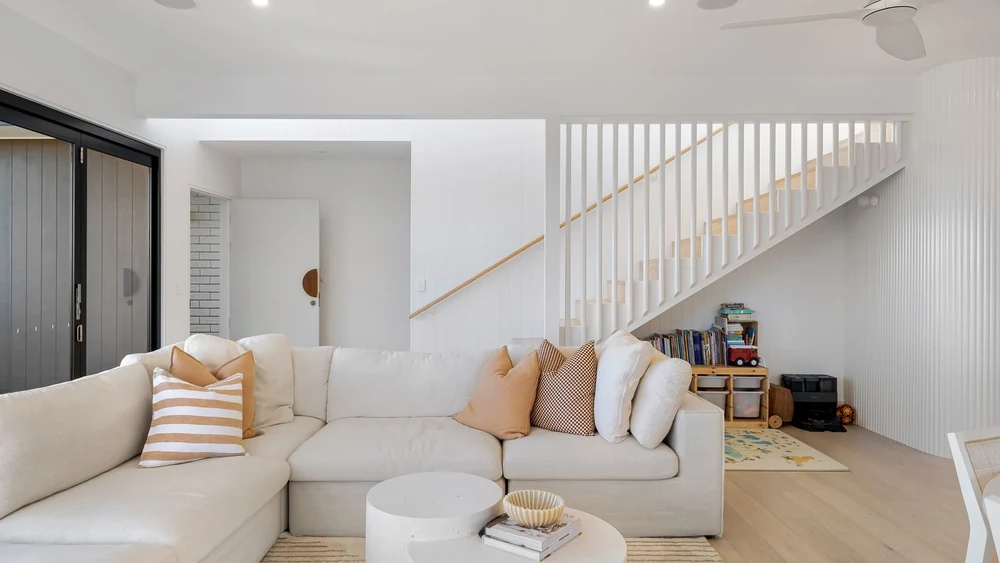
Image source: pexels.com
The colours that work against white
You do not need much. One colour, repeated three times, reads as a decision. The same colour used once reads as an accident.
| Colour | What it does |
|---|---|
| Sage green | The most reliable antidote to white’s coolness. Soft enough not to fight it |
| Navy | Adds depth and weight; good on a single wall or in upholstery |
| Deep brown | Warms without brightening — leather, timber, a dark rug |
| Creamy taupe | The gentlest option; barely a colour, but stops the flatness |
| Blue and white | The classic. Cool, but it never looks like a mistake |
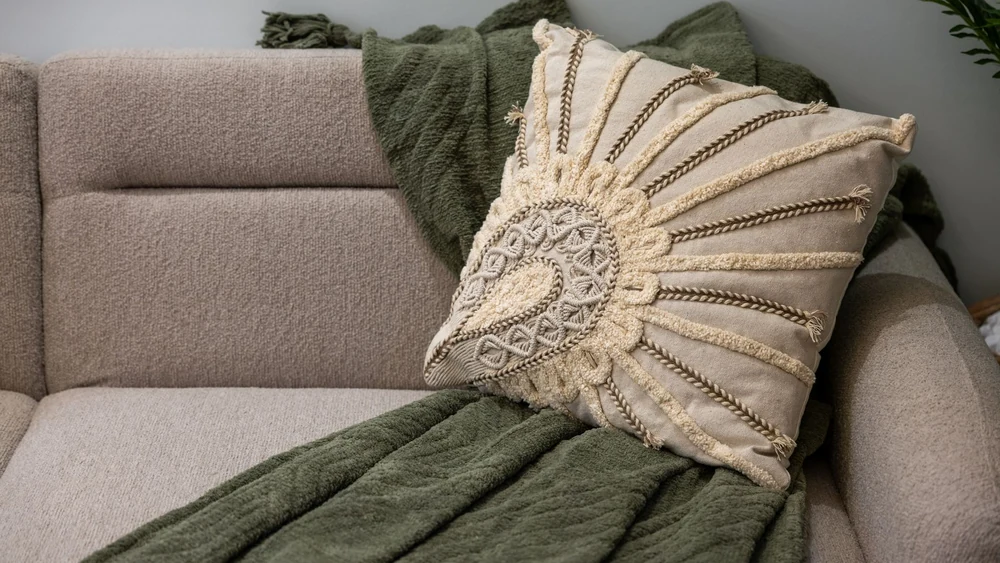
Image source: pexels.com
If a single accent is not enough and you are ready to commit a wall, that is a different job — see accent wall ideas. And if this whole exercise is making you wonder whether white was the right call at all, our living room colour guide covers the alternatives.
Metal: gold and brass, not chrome
A brass chandelier or a gold floor lamp warms a white room more than another textile will. Chrome and brushed steel do the opposite — they push the whole scheme colder, which is exactly the problem you are trying to solve.
The floor
Hard floors and white walls together are a lot of cold surface. If the room genuinely feels chilly rather than just looking it, carpet is the fix — it insulates as well as softens, which in a British house is not a small thing.
If you are keeping the boards, a large rug does most of the same work. A grey rug keeps the scheme quiet; a green one gives you the sage accent and the softness in a single purchase. Our living room flooring guide weighs up the options properly.
Walls, windows and the coffee table
Art matters more in a white room than a coloured one, because there is nothing else competing. Abstract pieces in warm beige and black, a gallery wall, or one large landscape. Big and few beats small and many — there is more on that in our guide to large wall decor.
Curtains should diffuse, not block. Sheer or cream, ideally linen. Heavy dark curtains against white walls create a hole in the room.
The coffee table is where a white room stops looking staged. A stack of books you have actually read, a vase, something with a bit of age to it. Empty surfaces are what make a room feel like a showroom.
Plants. Real ones. Green against white is the cheapest warmth available, and dried pampas has been doing the rounds long enough that fresh greenery now looks like the more considered choice.
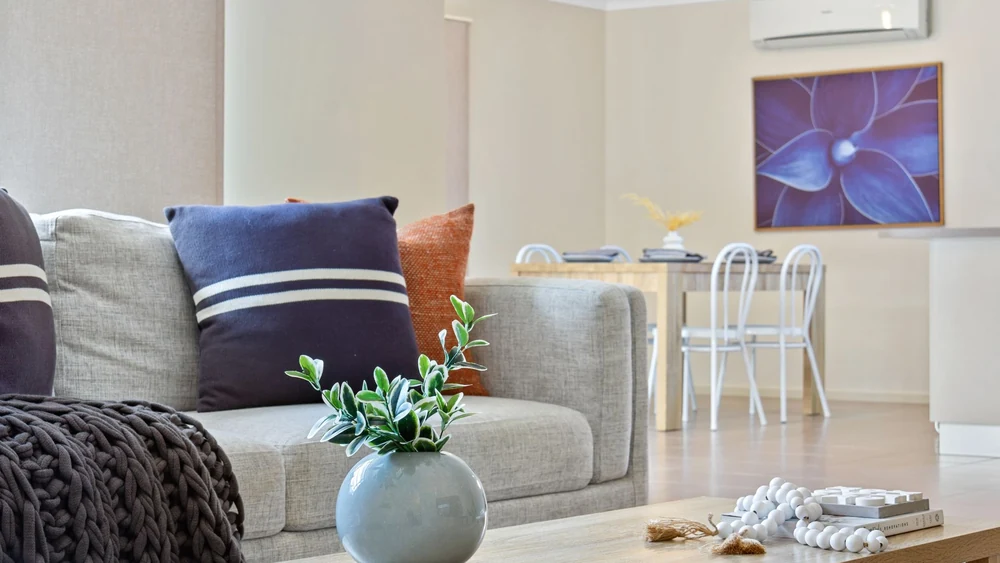
Image source: pexels.com
If you can only do one thing
In order, cheapest and most effective first:
- Change the bulbs to 2700K–3000K, and turn the big light off. Costs about a tenner and changes the room that evening.
- Add one heavy textured throw and two cushions that are not white.
- Bring in wood — a coffee table, a stool, a shelf.
- Put a rug down.
- Pick one accent colour and use it three times.
Most people do these in reverse, starting with repainting. The paint is rarely the thing.
One honest warning
A white sofa is a commitment. If you have small children, a dog, or people who drink red wine on your furniture, think hard before buying pale upholstery — or buy something with removable, washable covers.
White walls are forgiving and repaintable. White seating is not, and no amount of styling advice changes that.
Frequently asked questions
Why does my white living room feel cold?
Usually the lighting and the lack of texture. Cool-toned bulbs make white walls read blue after dark, and a room of flat, smooth surfaces has nothing for the light to catch. Fix the bulbs first.
What colour bulbs are best for a white room?
Warm white, between 2700K and 3000K. The rating is on the packaging. Cooler than that turns the walls blue in the evening; warmer starts to look yellow.
What colours go with a white living room?
Sage green is the most forgiving. Navy and deep brown add weight, creamy taupe is the subtlest, and blue-and-white is the classic. Use one, three times.
How do I make a white room feel cosy without repainting?
Warm bulbs, lamps instead of the ceiling light, a heavy knitted or bouclé throw, something wooden, and a rug. None of that touches the walls.
Is a white living room practical?
White walls, yes — they are easy to touch up and repaint. White sofas and pale carpet are a different question, particularly with children or pets. Removable covers make it workable.
Does white make a room look bigger?
It helps, especially with good natural light. But a flat white room can also feel smaller because there is no depth to read. Texture and a considered layout do more for the sense of space — our guide to long narrow living rooms goes into the layout side.