Essential Vehicle Maintenance Checks Every Driver Should Know
Learn essential vehicle maintenance checks to improve safety, boost performance, and prevent costly vehicle repairs.

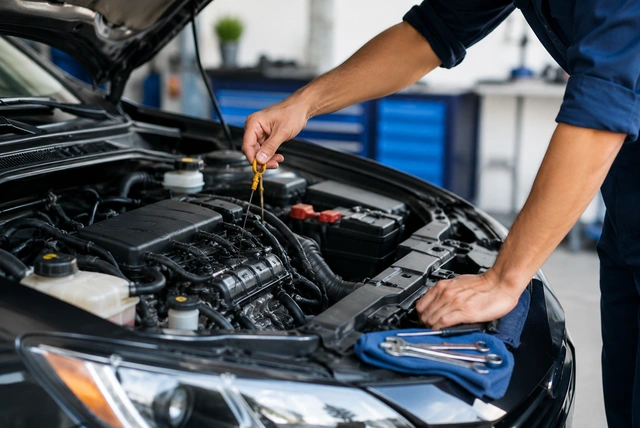
Most breakdowns and a large share of MOT failures come down to a handful of things that take minutes to check. None of what follows requires tools or expertise — it requires doing it regularly, which is the part almost everyone skips.
Tyres: Tread, Pressure and Condition
In the UK the legal minimum tread depth for cars is 1.6mm across the central three-quarters of the tread and around the entire circumference. Below that you risk a fine and penalty points per tyre, and an MOT failure. Most tyres have moulded wear indicators in the grooves — when the tread is level with them, the tyre is at the limit.
Check pressures cold, at least monthly, against the figures in the handbook or on the door pillar rather than the number on the tyre wall, which is a maximum rather than a recommendation. Under-inflation increases fuel consumption, wears the outer edges and lengthens stopping distances. Look for cuts, bulges and uneven wear at the same time: uneven wear usually indicates a tracking or suspension problem rather than a tyre one.
Brakes
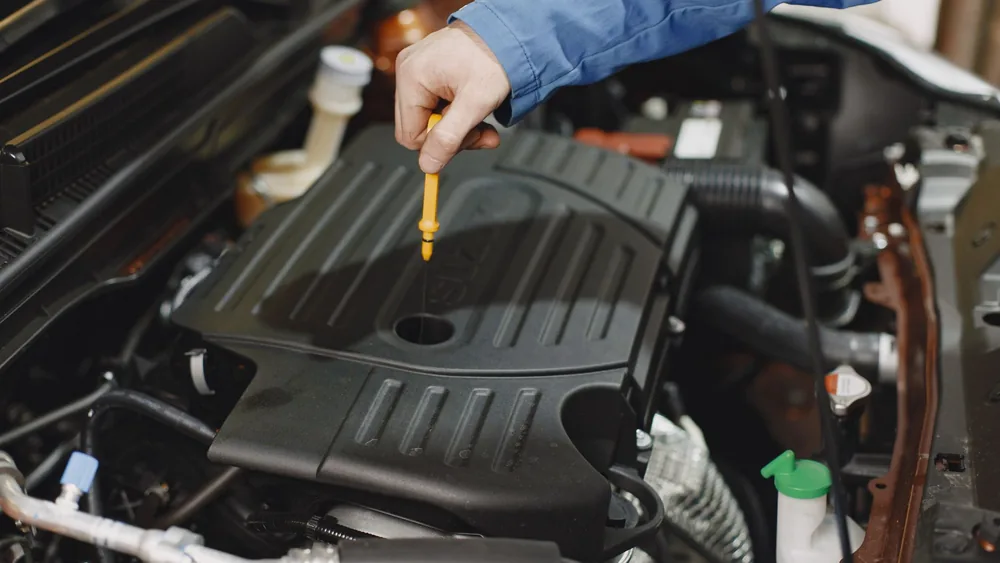
Image source: pexels.com
Brakes rarely fail without warning. A grinding noise, a squeal that persists after the first few stops, a pedal that feels soft or travels further than it used to, or the car pulling to one side under braking are all reasons to have them inspected promptly. Brake fluid absorbs moisture over time, which lowers its boiling point, so it needs periodic replacement even if the car is barely driven.
Engine Oil
Check oil with the engine cold and the car on level ground. The level should sit between the two marks on the dipstick, and topping up should use the grade specified in the handbook rather than whatever is on the shelf. Oil that is very dark and thin, or that drops noticeably between checks, is worth investigating — running low is one of the faster ways to cause expensive engine damage.
Battery
Most batteries last several years and then fail quickly, usually in cold weather and usually at the least convenient moment. Slow cranking, dim lights at idle or needing a jump start are the warnings. Keep the terminals clean and tight, and if the car is used infrequently, compatible battery chargers can keep it topped up rather than letting it discharge over weeks of standing.
Coolant and Other Fluids
Check coolant only when the engine is cold — never open the system hot. The level should sit between the marks on the expansion tank, and a level that keeps falling indicates a leak that needs finding rather than repeated topping up. Screenwash, brake fluid and, where fitted, power steering fluid are quick to check at the same time.
Lights, Wipers and Visibility
Walk around the car with the lights on and have someone check the brake lights. A failed bulb is a common MOT failure and among the cheapest faults to fix. Wiper blades that smear or judder need replacing — they degrade gradually enough that most drivers stop noticing how poor visibility has become in heavy rain.
Warning Lights Are Not All Equal
Dashboard warnings are colour-coded for a reason. Red generally means stop as soon as it is safe to do so — oil pressure, engine temperature and brake warnings fall here, and continuing to drive risks serious damage or loss of control. Amber means investigate reasonably soon rather than immediately.
A light that comes on and then goes off has still recorded a fault code, and that code can be read at a garage. Intermittent faults are easier to diagnose while they are still intermittent than after they become permanent.
MOT and Service Are Different Things
An MOT is an annual roadworthiness test required for most vehicles over three years old in Great Britain. It checks that the car met minimum standards on the day it was tested — it is not a service and it is not a guarantee for the year ahead. A service is preventive maintenance carried out to the manufacturer’s schedule, and skipping it to save money usually costs more later.
Booking the MOT a little before it expires is worth doing. You keep the original renewal date, and if something fails you have time to get it fixed without the car being off the road.
Seasonal Checks
Cold weather is hardest on batteries, and it is when marginal ones fail. Before winter, check the battery, top up screenwash with a concentration rated for freezing, and inspect wiper blades and tyre tread, since wet and icy conditions punish both. Before a summer journey, coolant level and air conditioning are worth a look.
Building It Into a Routine
A five-minute check monthly covering tyres, oil, coolant and lights catches most developing problems while they are still cheap. Before a long journey, add the spare wheel or tyre repair kit and check the screenwash. Keeping a record of what you checked and when is also useful when you come to sell the car.
Maintenance and the Cost of Ownership
Servicing history affects resale value materially, and a documented record is worth more than its cost when selling privately. It also matters if you are financing a vehicle: whether you are looking at Mercedes car finance or used Range Rover finance, the condition and history of the car affect both what it is worth at the end of an agreement and what any excess-mileage or condition charges look like.
Final Thoughts
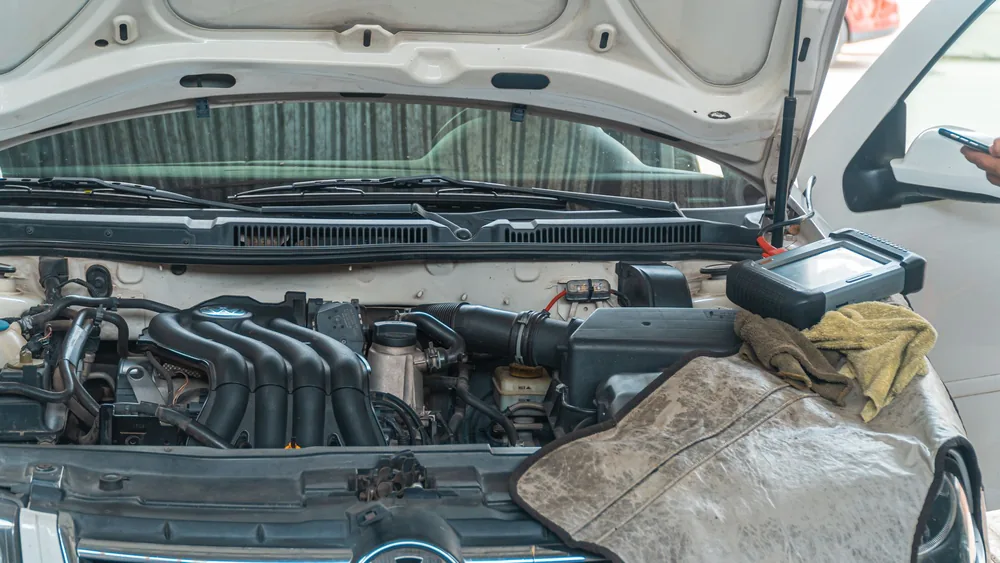
Image source: pexels.com
A vehicle rarely breaks down without warning. Most problems begin as small issues that develop gradually over time. By spending just a few minutes each month on regular vehicle maintenance checks, drivers can identify problems early, improve safety, reduce repair costs, and keep their vehicles performing at their best.
From tyre maintenance and battery health to engine maintenance and fluid level checks, these simple habits can have a significant impact on vehicle reliability. Whether you drive daily or only occasionally, preventive maintenance remains one of the smartest investments you can make in your vehicle. A little attention today can save a great deal of money, stress, and inconvenience tomorrow.
What are vehicle maintenance checks?
Vehicle maintenance checks are routine inspections of tyres, fluids, brakes, batteries, lights, and other key systems to ensure the vehicle remains safe and reliable.
How often should I perform vehicle maintenance checks?
Most routine vehicle checks should be completed monthly, while servicing should follow the schedule recommended by the vehicle manufacturer.
Why is tyre pressure important?
Correct tyre pressure improves fuel efficiency, handling, braking performance, and tyre lifespan while reducing the risk of uneven wear.
How long does a vehicle battery last?
Most vehicle batteries last between three and five years, although climate, driving habits, and maintenance can affect battery lifespan.
What fluid levels should I check regularly?
Drivers should monitor engine oil, coolant, brake fluid, transmission fluid, power steering fluid, and windshield washer fluid.
What is the biggest benefit of preventive maintenance?
Preventive maintenance helps identify small issues before they become major repairs, improving safety, reliability, and long-term vehicle performance.