A brake pedal should feel firm and predictable. You press, it resists, and the car slows in proportion to how hard you push. When the pedal starts to feel soft, sinks further than usual or has a spongy, mushy give to it, the hydraulic system is telling you something has changed.
Treat that as urgent. Some causes are relatively simple to fix, but others mean the brakes could get much worse without much notice. This guide explains what is likely to be happening, what you can safely check on your driveway and when the car should not be driven at all.
If the Pedal Goes Soft While You Are Driving
Safety comes before diagnosis. If the pedal suddenly sinks or the car is not slowing properly:
- Pump the pedal quickly, as this may build up some pressure.
- Change down through the gears to let the engine slow the car, or lift off the accelerator in an automatic.
- Use the handbrake or electronic parking brake gradually if you need more stopping force.
- Put your hazard lights on and steer to a safe place away from traffic.
- Do not drive on. Call your breakdown provider and have the car recovered.
On a motorway, aim for an emergency area or the hard shoulder if you can reach it safely, leave by the left-hand doors and wait behind the barrier. National Highways has advice on breaking down on a motorway.
How Hydraulic Brakes Work
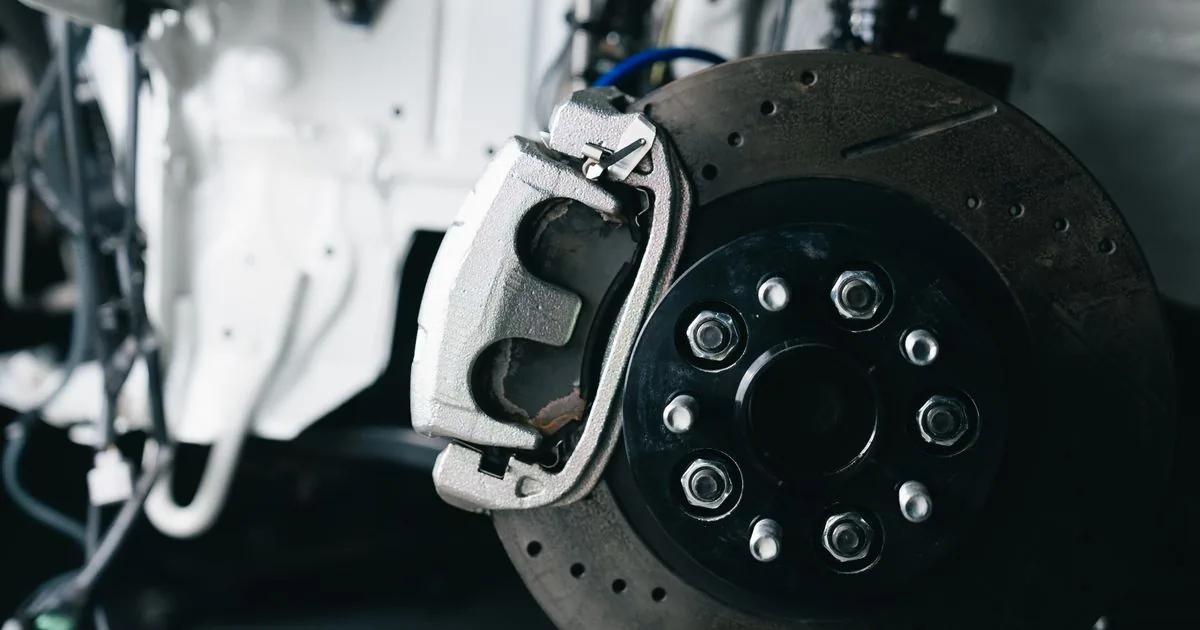
When you press the pedal, a master cylinder pushes brake fluid through the lines to the calipers or wheel cylinders. Those then force the pads or shoes against the discs or drums. It works because liquid does not compress, so the force from your foot is carried straight to the wheels.
Air and vapour do compress. Put either into the system and part of your pedal movement is spent squashing gas instead of applying the brakes. That is the feeling drivers describe as spongy. Most causes below are either a way for gas to get in, a way for fluid to get out, or a part that is no longer holding pressure.
The 7 Most Common Causes
1. Air in the Brake Lines
This is the classic cause. Air can get in through a leak or after brake work if the system was not bled properly. A useful clue is that pumping the pedal quickly makes it firmer for a moment. If the soft feel began just after a repair, take the car straight back to whoever did the work.
2. A Brake Fluid Leak
If fluid is escaping, pressure is escaping too. Leaks can come from corroded metal pipes, perished flexible hoses, caliper seals or wheel cylinders. Look for oily, slightly slippery fluid near the wheels or on the ground beneath the car. A falling reservoir level usually means there is a leak or heavily worn pads, and it should never simply be topped up and forgotten.
3. Old or Boiled Brake Fluid
Most brake fluid absorbs moisture over time, which lowers its boiling point. Under heavy braking, such as on a long descent, that water can turn to vapour and the pedal can go soft when the brakes are hot. This is why manufacturers set a replacement interval for the fluid, often around every two years. Your handbook or service schedule will give the correct figure and fluid type.
4. A Failing Master Cylinder
Worn seals inside the master cylinder can let fluid slip past the piston. The telltale sign is a pedal that slowly sinks towards the floor while you hold steady pressure at a junction, even though there is no visible leak. If the pedal stays soft after a proper bleed, the master cylinder moves up the list of suspects.
5. Damaged Flexible Brake Hoses
The rubber hoses that connect the pipes to the wheels have to move with the suspension. As they age they can weaken and swell under pressure, soaking up force that should reach the brakes. Cracks, bulges and fluid marks are all reasons for immediate replacement.
6. Caliper or Wheel Cylinder Faults
A seized slider, a leaking piston seal or a faulty rear wheel cylinder can all change how the pedal feels. You might also notice the car pulling to one side, a burning smell after a drive or one wheel running much hotter than the others.
7. Worn Pads, Shoes or Poor Adjustment
Badly worn friction material means the pistons must travel further before the brakes bite, so the pedal can feel long and low. On cars with rear drums, poorly adjusted shoes can do the same. New pads also need a bedding-in period, so braking may feel slightly different for a short time after they are fitted.
Soft Pedal or Hard Pedal?
It helps to describe the symptom accurately to a mechanic. A soft or spongy pedal generally points to the hydraulic side. A very hard pedal that needs a lot of effort more often points to the brake servo, the part that assists your foot. Both need attention, but they are different faults.
| What you notice | Likely area to check |
|---|---|
| Firmer after pumping | Air in the system |
| Slowly sinks while held | Master cylinder or internal leak |
| Fluid level dropping | Leak or very worn pads |
| Soft only when brakes are hot | Old or boiling fluid |
| Car pulls to one side | Caliper, hose or uneven braking |
| Very hard pedal | Brake servo or vacuum supply |
Simple Checks You Can Do Safely
With the car parked on level ground and the engine off, you can make a few basic checks without taking anything apart:
- Check the reservoir. The fluid should sit between the minimum and maximum marks.
- Look for leaks. Check the ground, the inside of each wheel and any hoses you can see.
- Look at the warning lights. A red brake warning light or ABS light should be taken seriously.
- Try the pedal. Press firmly and hold. It should stop and stay put rather than creeping downwards.
Be careful with brake fluid, as it can damage paintwork and irritate skin and eyes. Use only the type listed in your handbook. If the level is low, do not treat a top-up as the fix, because the fluid has gone somewhere.
Can You Fix It Yourself?
Bleeding brakes is a job some experienced home mechanics do, but a mistake can leave you with less braking than you started with. Modern cars with ABS may also need diagnostic equipment for a complete bleed. Unless you are trained and have the correct tools, this is one repair to leave to a qualified garage.
Ask for a written estimate and for the old parts or photos if something major is being replaced. Costs vary widely with the car and the fault. A fluid change is a routine service item, whereas a new master cylinder or brake pipes cost considerably more, so get a diagnosis before accepting a price.
Will It Fail an MOT?
It can. The MOT inspection manual covers brake performance, leaks, pipes, hoses and warning lamps, and serious faults can be recorded as major or dangerous. More importantly, a passed MOT only reflects the car on that day. If your pedal feels wrong now, get it checked whatever your certificate says.
Frequently Asked Questions
Is it safe to drive with a soft brake pedal?
No. Stop driving and have the car inspected, because you cannot tell how quickly the problem may worsen. Arrange recovery rather than risking the journey.
Why is my brake pedal soft after changing pads?
The pistons need to be pushed back out after new pads are fitted, so pump the pedal before moving off. If it stays soft, air may have entered the system or something may have been fitted incorrectly, so return to the garage.
Why does my brake pedal go to the floor?
That can mean a major fluid leak or master cylinder failure. Do not drive the car.
How often should brake fluid be changed?
Follow your manufacturer’s schedule. Many cars call for a change about every two years.