One ant on the kitchen worktop is easy to ignore. A neat line of them marching from the back door to the biscuit tin is another matter. Ant problems tend to appear suddenly in warm weather, and they can feel far worse than they really are.
In most British homes the visitor is the black garden ant, and the nest is usually outside. That is good news, because it means the fix is often straightforward: remove what attracted them, block the route in and deal with the colony only if you need to.
Which Ants Are You Dealing With?
Black Garden Ants
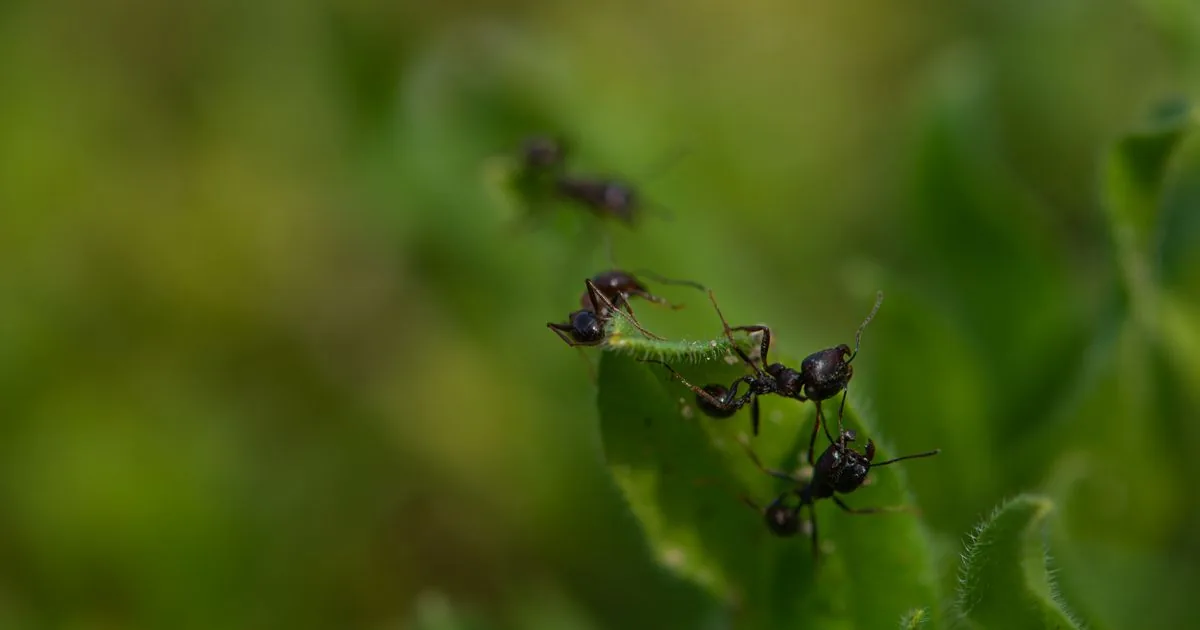
The black garden ant, Lasius niger, is the species most UK households will meet. Workers are about 3mm long and dark brown to black. They nest in lawns, flower beds, under paving and at the base of walls, then come indoors in summer looking for sugary, fatty and starchy food. Council guidance, including Oxford City Council’s advice, describes them as a nuisance rather than a serious disease risk.
Pharaoh Ants
Pharaoh ants are much smaller, pale yellow to light brown, and live indoors in warm, heated buildings. They are more often associated with larger premises such as hospitals, blocks of flats and commercial kitchens. They are a different problem altogether. Ordinary sprays can make a colony split and spread, so call a professional if you suspect them.
Flying Ants
Flying ants are not a separate species. They are the winged males and new queens that leave the nest on warm, humid summer days to mate and start new colonies. The swarm looks dramatic but usually passes quickly. If they are coming from inside the house, though, it could mean there is a nest within the building, which is worth investigating.
Why Ants Come Into Your Home
Ants are not in your kitchen by accident. Scouts leave the nest looking for food and, when they find some, lay a scent trail for others to follow. This explains the tidy line. Common attractions include:
- Crumbs under toasters, cookers and kickboards
- Sticky jam jars, honey and syrup bottles
- Open sugar, cereal and biscuit packets
- Pet food left in bowls
- Food waste bins and unrinsed recycling
- Spills on worktops and floors
- Moisture from leaks or condensation
They get in through surprisingly small gaps, including door thresholds, window frames, air bricks, cracked mortar and the openings around pipes.
Step 1: Follow the Trail
Before you wipe anything, watch the ants for a few minutes. Following a line back towards its source tells you where they are entering and may lead you to the nest. Outside, look for small piles of fine soil on paths, between slabs and along walls. A torch helps in dark corners.
Knowing the route matters because killing the workers you can see does very little. The queen stays in the nest and the colony simply sends more.
Step 2: Remove the Food
This is the single most effective thing you can do, and it costs nothing:
- Store sugar, cereal and snacks in airtight containers.
- Wipe the outside of jars and bottles.
- Clean under and behind appliances.
- Empty kitchen bins regularly and keep lids closed.
- Rinse recycling before it goes in the box.
- Pick up pet food bowls between meals, and clean around them.
Then clean the ant trail with hot soapy water or a household cleaner. This removes the scent that guides others to the same spot.
Step 3: Seal the Way In
Once you know the entry point, close it. Use decorator’s caulk or silicone around window frames and skirting boards, repair cracked mortar and fit draught excluders on doors. Do not block air bricks or ventilation openings, since these are needed to keep the building dry. A fine mesh can be used instead where appropriate.
Step 4: Treat the Nest if You Need To
If the ants keep returning, you may need a treatment. The main options are:
Ant Baits
Baits are usually the best choice for an established trail. Workers carry the poisoned food back to the nest, where it reaches the queen and the rest of the colony. Place them near the trail and leave them alone. You will probably see more ants at first, which means the bait is being taken. Do not spray nearby, as this stops them carrying it home.
Granules and Powders
Ant powders and granules can be used around nest entrances outdoors, and some products are also labelled for indoor use. Follow the directions and use them only where the label permits.
Sprays
Sprays kill the ants they touch and can offer a short barrier, but rarely reach the queen. They are better for a quick clear-up than a lasting solution.
Natural Deterrents
Peppermint oil, lavender oil, citrus and similar strong scents may discourage ants from a particular spot. Gardeners’ World suggests spraying them around entry points. They can help with prevention, but will not remove a nest. Essential oils can be harmful to pets, particularly cats, so take care where you use them.
Keeping Children and Pets Safe
Choose enclosed bait stations in homes with toddlers or animals, and place them out of reach. Keep all products in their original packaging, wash your hands after use and never put insecticide on surfaces where food is prepared. If a child or pet swallows a product, keep the packaging and contact NHS 111 or your vet straight away.
Should You Remove Ants From the Garden?
Usually there is no need. The Royal Horticultural Society notes that ants play a useful role in garden biodiversity. They help aerate soil and provide food for birds such as green woodpeckers. Treat only nests that are causing a real problem, such as those undermining paving or repeatedly sending ants indoors.
When to Call a Professional
Consider a pest controller if:
- The ants keep returning after several weeks of treatment
- You suspect pharaoh ants
- You think a nest is inside a wall, floor or roof space
- You run a food business and have legal hygiene duties
- You rent and the issue seems linked to the building’s condition
Your local council may offer pest control or be able to advise you, although many charge a fee and some do not treat garden ants. Tenants should report persistent issues to their landlord, especially when damp or gaps in the building are contributing.
Preventing Ant Problems Next Summer
A little spring maintenance goes a long way. Check door seals and pointing, clear debris away from external walls, trim plants touching the house and keep outdoor bins away from doors. Then keep up the kitchen routine through the warmer months, as ants usually return to places where they have found food before.
Frequently Asked Questions
Why have I suddenly got ants in my house?
Warmer weather increases foraging. One scout finding food can quickly bring a whole trail of workers indoors.
Do ants in the house mean it is dirty?
No. Even very clean homes get ants. A small amount of food or a convenient gap is enough.
How long does ant bait take to work?
It often takes several days and can take longer for a large colony, so leave it in place.
Are UK garden ants harmful?
Black garden ants do not pose a significant health risk, but they can contaminate food surfaces, so keep them out of the kitchen.