Disability Scooter Guide: Types, Features, and Best Options in the UK
Learn about disability scooters in the UK, including types, features, foldable models, and buying tips. Find the best option for your needs and budget.


Choosing a mobility scooter is mostly a question of where it will be used, because that determines which legal class you need — and the two classes have genuinely different rules. Getting this right first narrows the choice considerably and prevents buying something you cannot legally use where you intended.
The Two Legal Classes in the UK
Class 2 scooters are limited to 4mph and are for pavement use. They do not need to be registered, and they are the smaller, lighter machines most people picture. Class 3 scooters can travel at up to 8mph on the road, must be limited to 4mph on pavements, and must be registered with the DVLA.
Class 3 vehicles also require specific equipment to be road legal: lights, indicators, a horn, a rear-view mirror and a means of limiting speed for pavement use. If a seller describes a fast scooter as road legal, check it has all of this fitted rather than assuming.
Who Can Use One
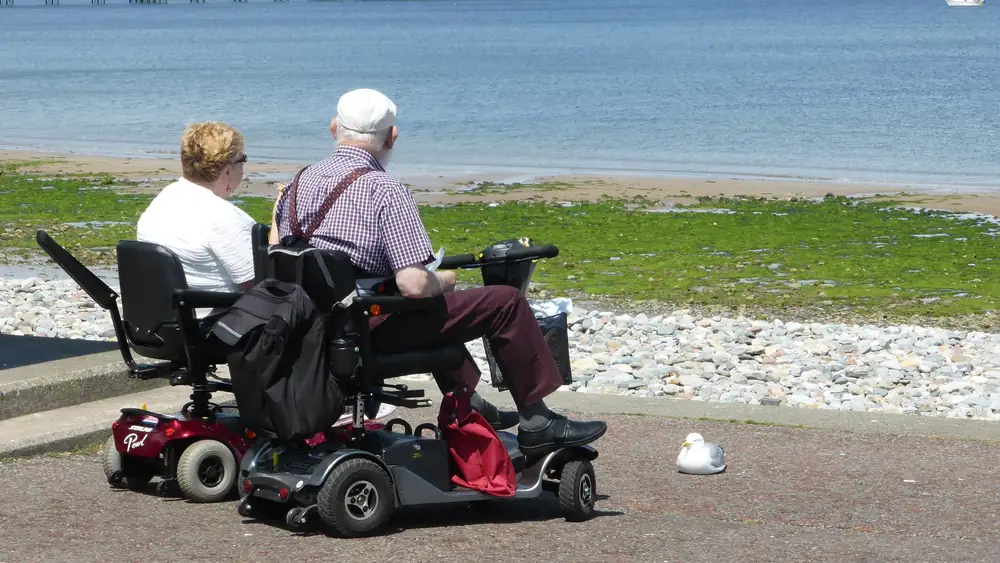
Image source: pexels.com
There are eligibility conditions around age and, for Class 3, the requirement generally relates to having a disability or being unable to walk. You do not need a driving licence, but the rules on who may use each class are worth confirming on GOV.UK rather than taking a retailer’s word for it.
Start With Where It Will Actually Go
A scooter used mainly indoors and in shops needs a tight turning circle and a narrow width, and will spend its life on flat, even surfaces. One used to reach a village centre over uneven pavements and kerbs needs larger wheels, ground clearance and better suspension. These are close to opposite requirements, and machines that attempt both usually compromise on each.
Range Is Quoted Optimistically
Manufacturer range figures are measured under favourable conditions: flat ground, a light rider, mild weather, new batteries. Real-world range on hills, in cold weather, or with a heavier user can be considerably lower. Assume you will get meaningfully less than the quoted figure and choose with that margin in mind.
Battery capacity degrades with age too, so a scooter bought for exactly the range you need today will not meet it in three years.
Weight Capacity Is a Safety Limit
Every model states a maximum user weight, and it is not a guideline. Exceeding it affects braking, stability on cambers and slopes, and battery range, and it can invalidate the warranty. Check the figure includes anything routinely carried, such as shopping or oxygen equipment.
Transporting and Storing It
This is the question buyers most often overlook. If the scooter must go in a car boot, it needs to dismantle into pieces someone can actually lift — the heaviest single component matters more than the total weight. If it stays at home, it needs somewhere secure, dry and within reach of a socket for charging.
Charging is a daily habit rather than an occasional one, and a machine stored somewhere awkward to plug in tends to be left uncharged.
Boot Scooters, Mid-Size and Road Models
Boot-size models dismantle for transport and suit occasional use away from home. Mid-size machines offer more comfort and range while remaining manageable on pavements. Larger road-going models are the most capable outdoors and the least practical in shops. Matching this to your typical week matters more than the specification sheet.
Comfort Decides Whether It Gets Used
Seat height, back support, armrest position and the reach to the controls all determine whether a longer trip is tolerable. Someone with limited hand strength or reduced grip needs to test the throttle and brake arrangement specifically. A scooter that is uncomfortable after twenty minutes will quietly stop being used.
Try Before Buying
Sit in it, drive it, and if possible test it on a slope and over a kerb. Reputable retailers expect this and will arrange a home demonstration. Buying unseen online is where most regret originates, because the fit between machine and person is individual.
Insurance and Security
Insurance is not legally required but it is widely recommended, covering theft, damage and third-party liability — the last of which matters more than people assume, given these vehicles are used around pedestrians. Scooters are also a theft target, so check what security is included.
Buying Used
A used scooter can be good value, but batteries are the expensive consumable and their condition is hard to judge from a listing. Ask the age of the batteries, test the range before committing, and check service history. A cheap scooter needing a new battery set is frequently not cheap.
VAT Relief May Apply
Mobility equipment supplied to a person who is chronically sick or disabled, for their personal use, can qualify for VAT relief. Suppliers will usually ask you to complete a simple declaration. Not every retailer raises it, so ask directly — it is a meaningful saving on a significant purchase.
Servicing Is Not Optional
Brakes, tyres and batteries wear, and an annual service by someone competent keeps the machine safe and extends its life. Before buying, check that servicing is available locally and what it costs, because a scooter that has to be transported a long distance for maintenance tends not to get maintained.
Tyres Are Not All the Same
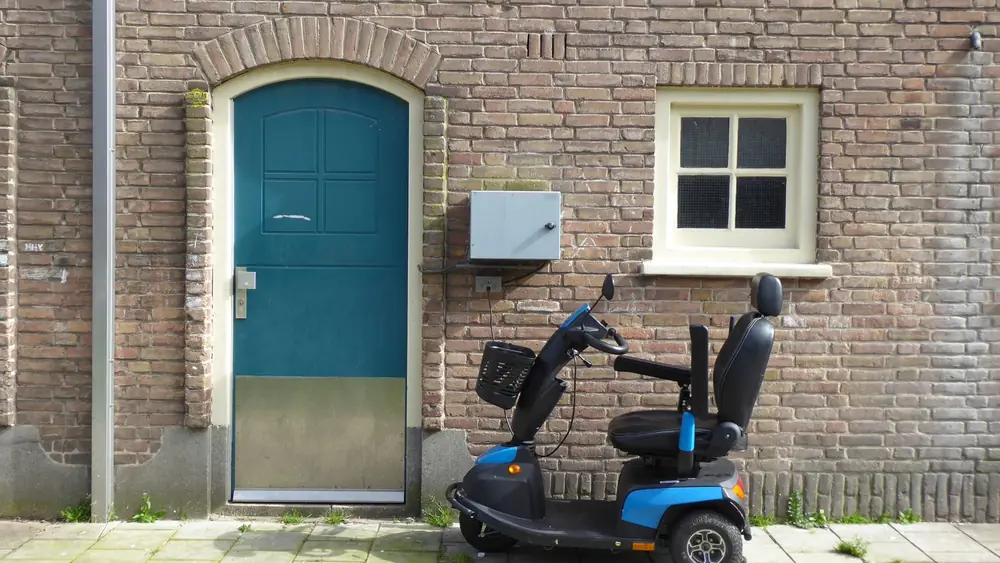
Image source: pexels.com
Solid tyres never puncture and need no maintenance, which suits indoor and pavement use. Pneumatic tyres absorb far more from rough ground and give a noticeably better ride outdoors, at the cost of occasional punctures and pressure checks. On uneven rural pavements the difference is substantial rather than marginal.
Where You Will Charge It
Batteries need charging regularly, and the charger has to reach the scooter. If storage is in an outbuilding or a communal area with no socket, either the batteries must be removable for indoor charging or the storage plan has to change. This is a practical detail that decides whether the machine remains usable.
Cold Weather Reduces Everything
Battery performance drops in cold conditions, sometimes markedly, and winter is precisely when walking is hardest and the scooter matters most. If your longest regular trip is close to the quoted range in summer, it may not be achievable in January.
Buying From a Retailer Who Will Support It
Pressure selling is a known problem in this market, particularly with home demonstrations. A reputable supplier gives you time, lets you try alternatives, explains the class rules without being asked, and can service what they sell. Anyone insisting on a decision the same day is telling you something useful.
Related Mobility Decisions
Households making one mobility purchase are frequently weighing others at the same time. The considerations overlap more than they appear — weight limits, fitting compatibility and transport all recur, and much the same thinking applies to choosing pushchairs with buggy boards.
Final Thoughts
A disability scooter can improve your daily life by giving you more freedom and independence. There are many options available, from foldable scooters to heavy-duty models. Choosing the right one depends on your lifestyle, budget, and comfort needs. Take your time to compare features and understand your requirements. The right scooter will make everyday tasks easier and more enjoyable, helping you stay active and confident.
If you are also exploring mobility solutions for families, you can read this helpful guide on pushchairs with buggy boards.
FAQs
1. What is a disability scooter used for?
A disability scooter is used to help people move around easily if they have trouble walking or standing for long periods. It is helpful for daily tasks like shopping, visiting parks, or travelling short distances. It gives users more independence and comfort.
2. What is the difference between Class 2 and Class 3 mobility scooters?
Class 2 scooters are smaller and can only be used on pavements with a top speed of 4 mph. Class 3 scooters are larger, can be used on roads, and have a top speed of 8 mph. They also include extra safety features like lights and indicators.
3. Are foldable mobility scooters good for travel?
Yes, foldable mobility scooters are great for travel. They are lightweight and can be folded or taken apart easily. This makes them simple to carry in a car or store at home. Some models are also suitable for air travel.
4. Should I choose a 3-wheel or 4-wheel mobility scooter?
A 3-wheel scooter is better for indoor use because it can turn easily in small spaces. A 4-wheel scooter is more stable and better for outdoor use or rough surfaces. Your choice depends on where you plan to use it most.
5. Is it safe to buy a second hand mobility scooter?
Yes, it can be safe if you check the scooter properly before buying. Look at the battery, tyres, and overall condition. It is best to buy from a trusted seller and ask if the scooter has been serviced.
6. Can I get a mobility scooter for free in the UK?
In some cases, you may get help through charities, local councils, or schemes like Motability. The NHS may also help in limited situations. You need to check your eligibility and apply through the correct channels.