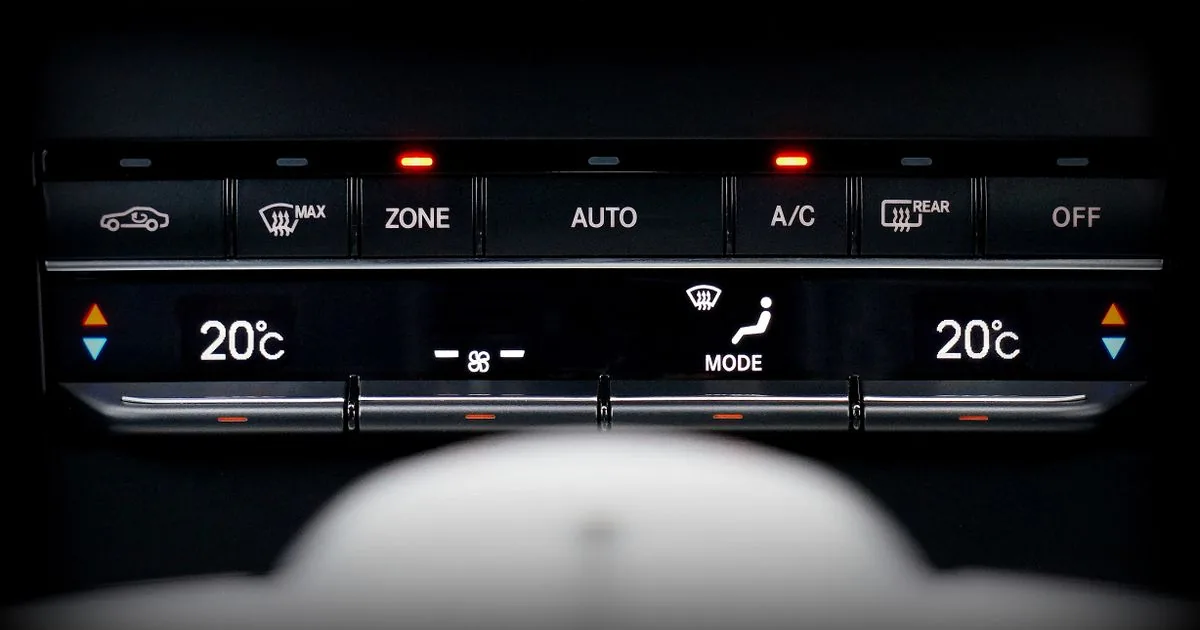
There are few things less welcome on a frosty morning than turning the dial to red and getting a blast of cold air. Sometimes the car just needs a few more minutes to warm up. Sometimes it is an early sign of a cooling system fault that could damage the engine if you ignore it.
The good news is that a car heater is a simple idea, and a couple of basic observations will usually narrow down the cause before you speak to a garage.
First, Check the Temperature Gauge
Your temperature gauge is the most useful clue you have. Note what it does after ten or fifteen minutes of driving:
- Gauge rising too high or a warning light on: Stop as soon as it is safe and switch off the engine. The car may be overheating, and continuing can cause expensive damage.
- Gauge stays low: The engine is not getting up to temperature, which often points to the thermostat.
- Gauge normal but air is cold: The engine has heat available, but it is not reaching the cabin. Look at coolant flow, the heater matrix or the blend door.
Never open the coolant cap while the engine is hot. The system is pressurised and escaping coolant can cause serious burns.
How Your Car Heater Works
Most petrol and diesel cars do not have a separate heater as such. They reuse waste heat from the engine. Hot coolant is pumped through a small radiator behind the dashboard called the heater matrix, known in America as the heater core. The blower fan pushes air across it and into the cabin, and a flap called the blend door controls how much air passes through the matrix and how much bypasses it.
So for warm air to arrive, four things need to happen. The engine must be warm, coolant must reach the matrix, air must be directed across it and the fan must move that air. A fault in any one of them gives you a cold cabin.
The Most Common Causes
Low Coolant
This is the first thing to check. If there is not enough coolant in the system, too little hot fluid reaches the heater matrix. You may find the heater works at higher revs and goes cold at idle, which is a classic sign.
With the engine completely cold, look at the expansion tank and check that the level is between the minimum and maximum marks. If it is low, top up with the antifreeze type your handbook specifies. If it drops again, you have a leak or another fault that needs finding.
Air Trapped in the Cooling System
Air pockets can stop coolant from circulating through the matrix, particularly after a coolant change or repair. Many cars have a specific bleeding procedure, and some are fussier than others. Gurgling sounds behind the dashboard are a strong hint that air is moving around in there.
A Thermostat Stuck Open
The thermostat holds coolant in the engine until it has warmed up. If it sticks open, coolant circulates through the radiator all the time and the engine struggles to reach its normal temperature, especially in cold weather. The giveaway is a gauge that stays low or takes a very long time to rise. It can also hurt fuel economy, so it is worth fixing even if you can tolerate the chill.
A Blocked Heater Matrix
The matrix contains narrow passages that can clog with corrosion or sludge, especially if the coolant has been neglected or the wrong types have been mixed. A blocked matrix may leave the engine at normal temperature while the cabin stays cold. A garage can often confirm this by checking the two heater hoses.
A leaking matrix is a different problem. Watch for a sweet smell inside the car, windows that keep misting up or damp carpet in the front footwell.
A Stuck Blend Door or Failed Actuator
If the engine is warm and both heater hoses are hot, but the air is still cold, the blend door is a likely culprit. On many modern cars a small electric actuator moves it. When the actuator fails, the door can stick in the cold position. You may hear clicking or tapping from behind the dashboard when you adjust the temperature.
A Failing Water Pump
The water pump moves coolant around the engine and through the heater. A failing pump can cause poor heat together with rising engine temperature, coolant leaks or a whining noise. Stop driving if the engine begins to overheat, as a pump failure can quickly become serious.
Climate Control or Electrical Faults
On cars with automatic climate control, a faulty temperature sensor, control unit or fuse can produce odd behaviour. A heater that works on one side only often suggests a dual-zone flap or actuator problem rather than a coolant issue. A diagnostic scan can be useful here.
A Simple Way to Narrow It Down
| Symptom | Most likely cause |
|---|---|
| Heat at higher revs, cold at idle | Low coolant or air in the system |
| Temperature gauge stays low | Thermostat stuck open |
| Normal gauge, one heater hose cooler | Blocked heater matrix |
| Normal gauge, both hoses hot | Blend door or actuator |
| Clicking behind the dashboard | Blend door actuator |
| Sweet smell or misty windows | Leaking heater matrix |
| Engine overheating | Coolant loss or water pump, stop driving |
| Cold on one side only | Dual-zone flap or low coolant |
Do not touch hoses unless you are confident you can do so safely, as they and nearby engine parts become very hot. A garage can test them with the right tools.
What You Can Do at Home
With a cold engine, you can check the coolant level, look for stains or puddles under the car and make sure the temperature is set to hot with recirculation off. Check that the fan works on each speed, and read the handbook if your car has an eco mode or stop-start system that changes how the heating behaves.
Use the correct coolant. Modern antifreeze comes in different chemical formulations, and colour alone is not a reliable guide. The Haynes guide to car heater faults is a helpful starting point, but your handbook has the final say.
Leave jobs such as replacing the thermostat, water pump or heater matrix to a garage unless you are experienced. Matrix replacement in particular can mean removing much of the dashboard, so ask for a proper diagnosis first.
What About Electric and Hybrid Cars?
Electric cars do not have an engine producing waste heat, so they use a resistive heater, a heat pump or a combination of both. If an EV heater blows cold, the checks above mostly do not apply. Look for warning messages, check whether an energy-saving mode is active and contact a specialist or dealer. Hybrids can behave differently too, as the engine may need to run before warm air is available.
Can You Keep Driving With a Broken Heater?
If the engine temperature is normal, the car may still be drivable, but a working heater also clears your windscreen. The Highway Code says you must be able to see clearly through all windows before setting off in winter. If you cannot demist the screen, do not drive. If the engine is overheating, stop and call for assistance.
Frequently Asked Questions
Why is my car heater cold when idling but warm when driving?
The most common reason is low coolant or air in the system, because the water pump moves less fluid at low revs.
How long should a car heater take to warm up?
It depends on the car and the weather, but you should normally feel warmth within several minutes of driving. Diesel engines can take longer.
Can low coolant damage my engine?
Yes. Low coolant can lead to overheating and major engine damage, so find out why the level has dropped.
Why does my car heater smell sweet?
A sweet smell can mean coolant is leaking from the heater matrix. Get it checked promptly.