Feeding a Bearded Dragon: Live Food, Greens and Supplements
The diet shifts from mostly insects to mostly plants as the animal matures, and the supplements are not optional.

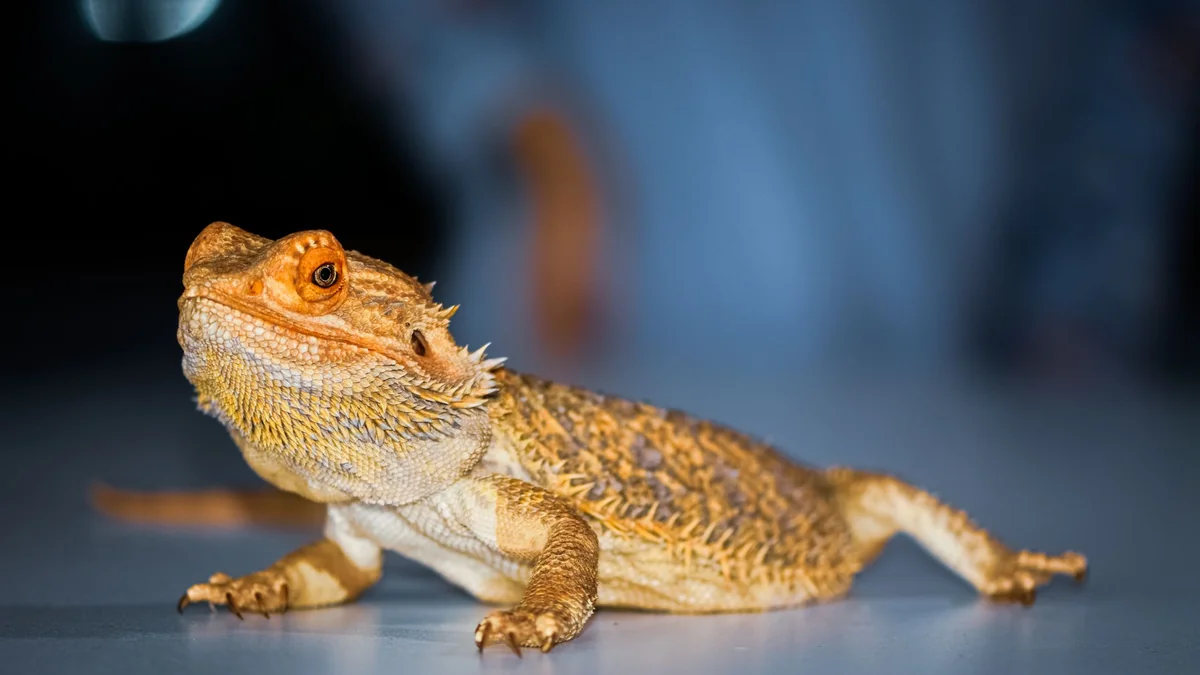
Bearded dragons are frequently sold as an easy first reptile, and the husbandry is straightforward once understood. The feeding, though, catches people out in two specific ways: the balance between insects and plants changes dramatically with age, and the supplement routine is genuinely load-bearing rather than a nice extra.
Get those two things right, alongside correct lighting and temperature, and most of the common problems do not arise. Get the supplements wrong and metabolic bone disease follows, which is disabling and largely irreversible.
The Ratio Changes With Age
Hatchlings and juveniles eat predominantly insects, with plant matter offered alongside. Adults reverse this, taking mostly greens and vegetables with insects a few times a week. Continuing to feed a mature animal like a juvenile leads to obesity and organ problems.
Young Dragons Eat Frequently
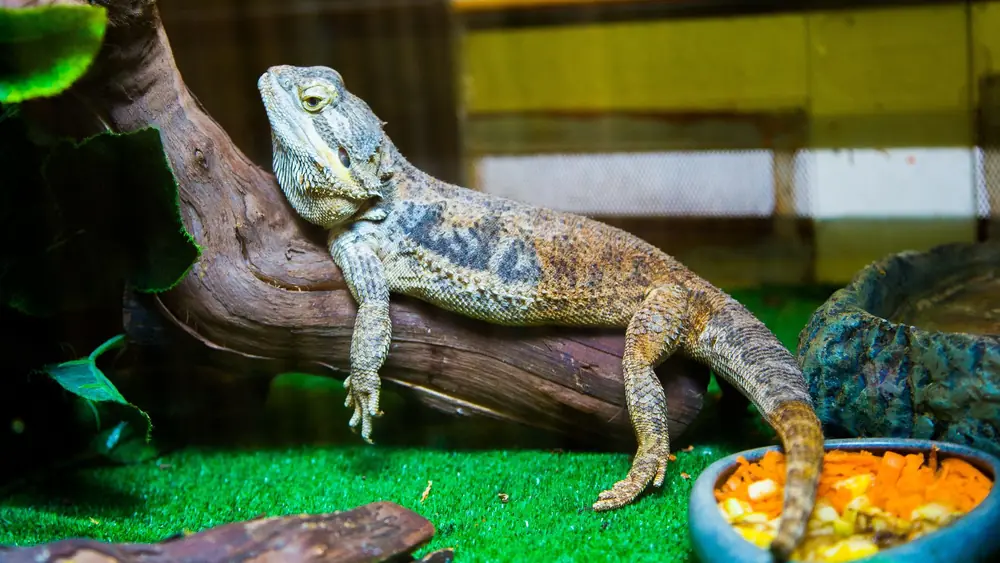
Image source: pexels.com
A growing juvenile may be offered live food two or three times a day, eating as much as it will take in a short session. This is demanding and temporary. Fresh salad should be available in the enclosure throughout, even if it is largely ignored at first.
Adults Eat Far Less Than Owners Expect
A daily salad with insects two or three times weekly suits most adults. Overfeeding live food to an adult is one of the most common husbandry errors, and obesity in captive dragons is widespread.
Suitable Live Food
Dubia roaches, locusts, crickets, black soldier fly larvae and silkworms are all reasonable staples. Mealworms and waxworms are high in fat with a poor calcium ratio and are better treated as occasional items than as the basis of a diet.
Gut Loading Matters
Insects fed on nothing before being offered carry little nutritional value. Feeding them a proper diet for a day or two beforehand, with fresh vegetables and a commercial gut-loading food, transfers real nutrition to the dragon. It is a step that quietly gets skipped.
Dusting With Calcium
Live food should be dusted with a calcium supplement at most feeds for growing animals and regularly for adults. A multivitamin containing vitamin A and other trace nutrients is used less frequently. Follow the product instructions and your vet, since it is possible to oversupplement fat-soluble vitamins.
Vitamin D3 and UVB Are Connected
Calcium is useless without vitamin D3, and dragons synthesise D3 under UVB light. Correct UVB provision, replaced on schedule because output falls long before the bulb fails visibly, is part of the feeding equation rather than separate from it.
Good Salad Items
Collard greens, mustard greens, dandelion leaves, rocket, watercress, butternut squash and bell pepper are all sound choices. Chop finely so pieces are manageable and mix rather than offering a single item, since dragons develop strong preferences.
What to Limit or Avoid
Spinach, kale and chard are high in oxalates or goitrogens and are best occasional rather than routine. Iceberg lettuce is nutritionally empty. Avocado, rhubarb and most insects caught from the garden should be avoided entirely, the latter for pesticide and parasite reasons.
Fruit Is a Treat
Small amounts of berries or melon occasionally are fine. Regular fruit contributes to loose stools and to the sugar load, and dragons that learn to expect it frequently start refusing greens in the hope of something better.
Fussy Adults Are Usually Trained
A dragon holding out for insects has generally learned that holding out works. Offering salad first, before any live food, and being consistent about it is the usual fix. This takes longer than people expect and does work.
Water and Hydration
A shallow water dish should be available, though many dragons drink little from it and take most moisture from food. Regular misting of greens and occasional bathing help, and wrinkled skin or sunken eyes suggest dehydration worth acting on.
Size the Food Correctly
The usual guidance is that no insect should be wider than the space between the animal eyes. Oversized prey is a genuine impaction and choking risk, particularly in juveniles, and this is one rule worth applying strictly.
Substrate and Accidental Ingestion
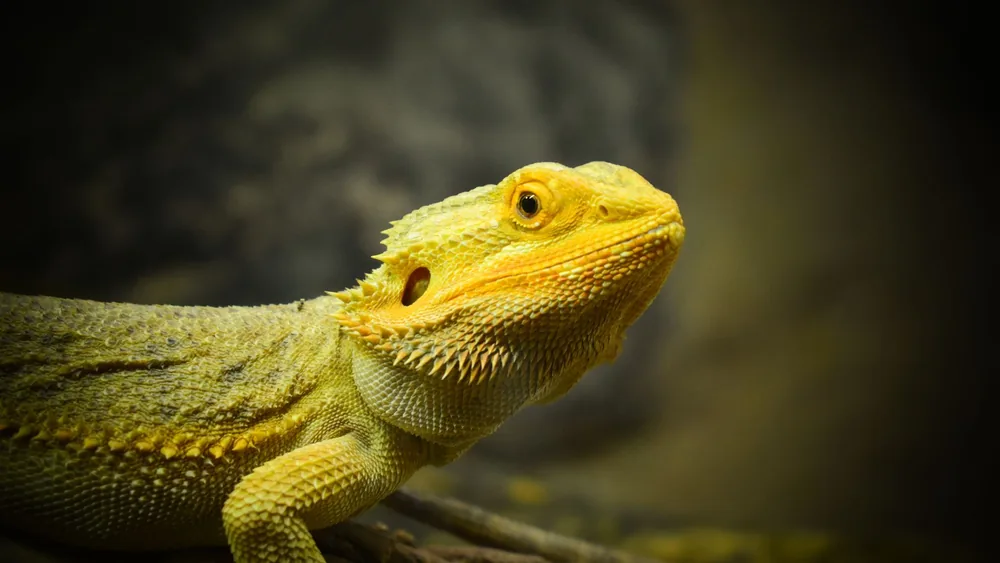
Image source: pexels.com
Loose particulate substrate can be swallowed alongside food, and impaction is a serious outcome. Feeding from a dish, or in a separate container, removes most of that risk without changing the enclosure.
Brumation Reduces Appetite
Adult dragons may become inactive and stop eating for weeks, typically in cooler months. Genuine brumation in a healthy animal at good weight is normal; weight loss, or a young animal doing it, is not, and needs veterinary assessment to distinguish from illness.
Temperature Drives Digestion
A dragon that is too cool cannot digest what it has eaten, and food sitting undigested causes real problems. Basking temperatures need checking with a proper thermometer rather than assumed from the equipment settings.
Do Not Feed Immediately Before Lights Out
Food eaten late, with no basking time afterwards, sits in a cooling animal overnight. Feeding earlier in the day, with several hours of heat remaining, avoids this entirely.
Weigh Regularly
A monthly weight, recorded, gives you the trend that appearance hides. The reasoning behind careful portion sizes in other species applies directly, since an obese dragon is the most common consequence of well-meant feeding.
Find a Reptile Vet Before You Need One
Not every practice sees reptiles regularly, and this is not the thing to research during an emergency. The Royal College of Veterinary Surgeons register and local recommendations will identify who has genuine experience, which matters more here than for common species.
The Summary
Insects and greens in a ratio that shifts with age, calcium at most feeds, proper UVB, correctly sized prey and a salad offered daily whether or not it is eaten. Keepers coming from feeding tropical fish will recognise the theme: the animal appetite is not the measure of what it should be given.
This is general feeding information, not veterinary advice. Small mammals, birds, fish and reptiles hide illness well and deteriorate quickly, so anything off-colour, off its food or losing weight should be seen by a vet with experience of that species rather than managed at home on a change of diet.