Guinea Pig Diet: Hay, Vitamin C and Fresh Food
Guinea pigs cannot make their own vitamin C, which changes how you feed them.

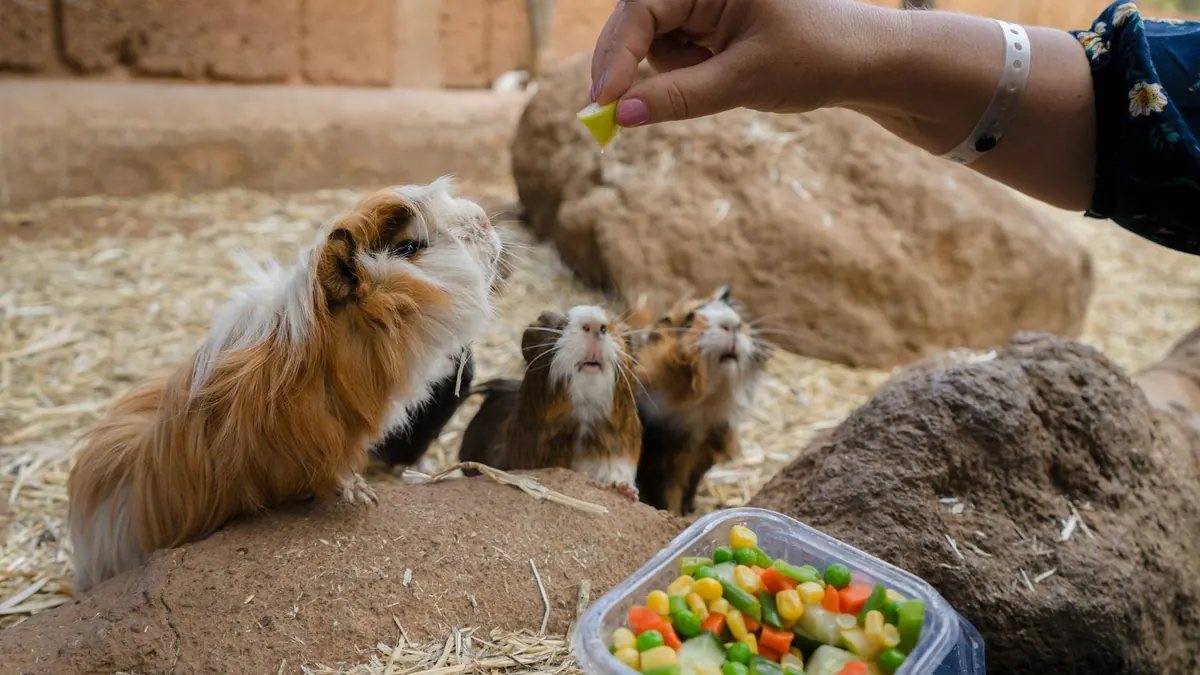
Guinea pigs are frequently fed as though they were small rabbits, and the diets do overlap. One difference matters enough to change the whole approach: guinea pigs cannot synthesise vitamin C and must take it in daily from food. Get that wrong and the consequences appear within weeks.
The rest of the diet follows familiar lines. Unlimited hay, a modest measured pellet ration, fresh vegetables daily and clean water. What changes is that the vegetable component is doing real nutritional work rather than simply adding variety.
Why Vitamin C Is the Whole Story
Humans, primates and guinea pigs share the inability to make their own. Deficiency causes scurvy: joint pain, reluctance to move, poor coat, bleeding gums and slow healing. It is entirely avoidable and still turns up regularly in practice.
Where It Comes From
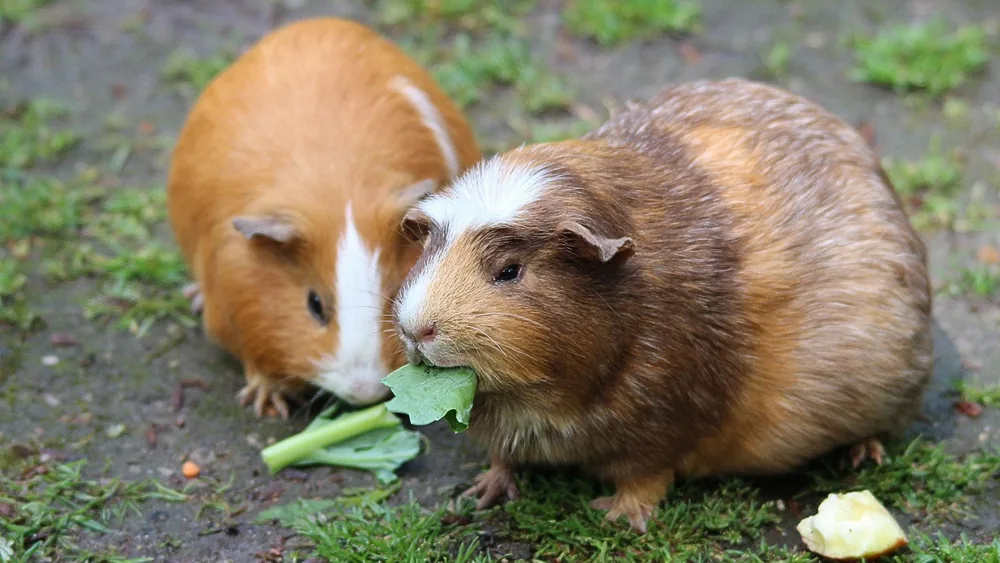
Image source: pexels.com
Fresh peppers are the standout source and most guinea pigs eat them enthusiastically. Kale, broccoli, parsley, coriander and spring greens all contribute. A small piece of pepper daily covers a good deal of the requirement on its own.
Pellets Are Not a Reliable Source
Guinea pig pellets are fortified with vitamin C, and the vitamin degrades with time, light and heat. A bag that has been open for months in a warm room contains far less than the label claims. Treat pellets as a contribution, not a guarantee.
Do Not Put It in the Water
Vitamin C drops added to a water bottle break down quickly and frequently make the water taste unpleasant, so the animal drinks less. That trades one problem for another. Food is the sensible route, and a vet can advise on supplements where diet is genuinely inadequate.
Hay Still Comes First
Unlimited good-quality feeding hay remains the base of the diet for the same dental and digestive reasons that apply to rabbits. Timothy or meadow hay, sweet-smelling and free of dust, available constantly rather than rationed.
Teeth Grow Continuously Here Too
Guinea pig molars overgrow when the diet lacks long fibre, and the overgrowth can bridge across the tongue. Signs include dropping food, eating slowly, drooling and losing weight while apparently still interested in food.
Buy Species-Specific Pellets
Rabbit pellets are not fortified with vitamin C and are not a substitute. Where a household keeps both species, keeping the bags separate and clearly labelled avoids an easy and consequential mistake.
Avoid Muesli Mixes for the Same Reason
Selective feeding is as much a problem here as in rabbits. The animal picks out the sweet components, leaves the fibre, and ends up with an unbalanced diet from a bowl that looks like it is being eaten normally.
Fresh Food Daily, Not Occasionally
A cup or so of mixed vegetables each day is a reasonable target for an adult. Rotate between a few reliable items rather than offering everything at once, and remove anything uneaten before it spoils in the hutch.
What to Leave Out
Iceberg lettuce, potato, onion, garlic, rhubarb and avocado should all be avoided. Fruit is a treat in small amounts because of the sugar, even though several fruits are good vitamin C sources. Dairy and anything cooked have no place in the diet.
Introduce New Foods Slowly
Guinea pigs are conservative eaters and can be genuinely reluctant to try unfamiliar items, particularly as adults. Offering small amounts repeatedly alongside food they already accept works better than replacing anything outright.
Grass and Forage
Fresh grass, picked by hand or grazed directly in a secure run, is excellent and enjoyed. Mower clippings are not, since they ferment quickly once cut. Introduce grazing gradually in spring rather than turning an animal out for hours on the first warm day.
Feeding Areas Should Be Clean
Fresh food left in a hutch attracts flies and spoils quickly in warm weather. Removing uneaten vegetables each evening takes moments and removes a real risk, particularly for animals with any soiling around the rear end.
Older Guinea Pigs Need Watching
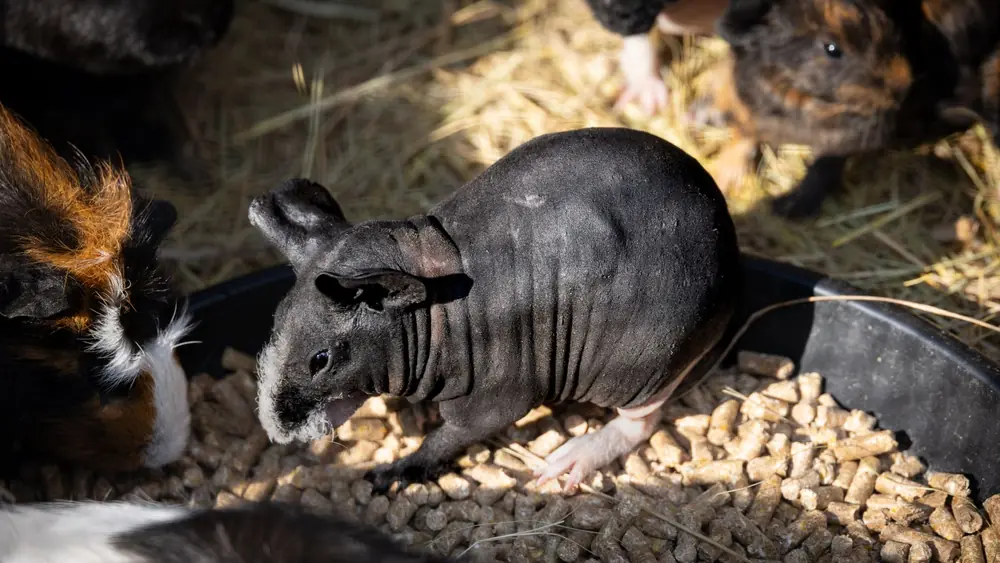
Image source: pexels.com
Appetite, weight and the ability to chew all change with age, and dental problems become more likely. Softer greens, hay that is easier to manage and more frequent weighing are reasonable adjustments as an animal gets older.
Water in a Bottle or a Bowl
Either is workable provided it is clean and refilled daily. Bottles need the spout checking, since a blocked or airlocked bottle looks full while delivering nothing. Bowls get bedding kicked into them and need more frequent changes.
Weight Is the Early Warning
Weighing weekly on kitchen scales takes seconds and catches problems long before they are visible. A steady decline over a few weeks is one of the most reliable early signs of dental or other disease in this species.
They Are Social Animals
Feeding a single guinea pig is not just a welfare question but a practical one, since a lonely animal frequently eats less. Where two or more are kept, watch that a dominant individual is not monopolising the fresh food.
Storage Affects Nutritional Value
Buy pellets in a size you will use within a couple of months, and keep them sealed, cool and dark. The same reading habits that help with reading a pet food label apply, particularly the best-before date, which matters more here than in most pet foods.
Signs Worth Acting On
Reluctance to move, a rough coat, reduced appetite, weight loss or bleeding from the gums all warrant a prompt appointment. Guinea pigs deteriorate quickly, and welfare charities including PDSA publish accessible guidance on what to look for.
In Practice
Hay always available, a small daily pellet ration, a cup of fresh vegetables with a reliable vitamin C source in it, and clean water. Owners coming from a rabbit’s diet will find most of this familiar, with the vitamin C requirement as the genuine difference.
This is general feeding information, not veterinary advice. Small mammals, birds, fish and reptiles hide illness well and deteriorate quickly, so anything off-colour, off its food or losing weight should be seen by a vet with experience of that species rather than managed at home on a change of diet.