Feeding Garden Birds Safely Through the Year
What to put out, what to avoid, and why hygiene matters more than the seed mix.

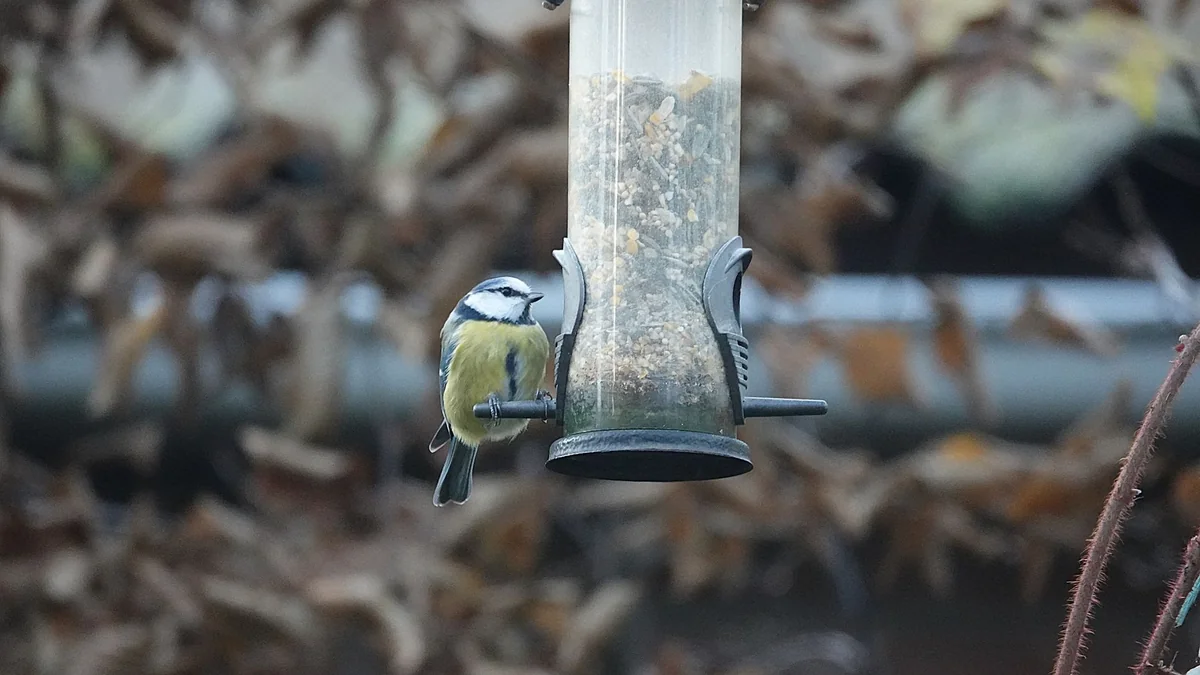
Most people start feeding garden birds because they want to see more of them, and the first winter usually delivers. What tends to follow is a slow drift into habit: the same mix, the same feeder, topped up whenever it empties. That works well enough until it does not, and the reasons it stops working are almost never about the food itself.
The single biggest thing you control is not what you put out but how clean the place you put it is. Concentrating birds at a fixed point every day concentrates disease at that point too, and a neglected feeder actively harms the birds it attracts. Everything else on this page is secondary to that.
Clean the Feeders, Properly and Often
Feeders should be emptied, scrubbed and rinsed regularly, and moved around the garden rather than left in one spot indefinitely. Wet, caked seed at the base of a tube feeder is where the trouble starts. If you would not eat off it, do not expect a greenfinch to.
Ground feeding areas need the same attention. Sweeping up spilled husks and droppings under a hanging feeder takes a couple of minutes and removes the layer where bacteria accumulate. Guidance from the RSPB covers current advice on hygiene and on when to pause feeding altogether if you see sick birds.
Sunflower Hearts Do Most of the Work
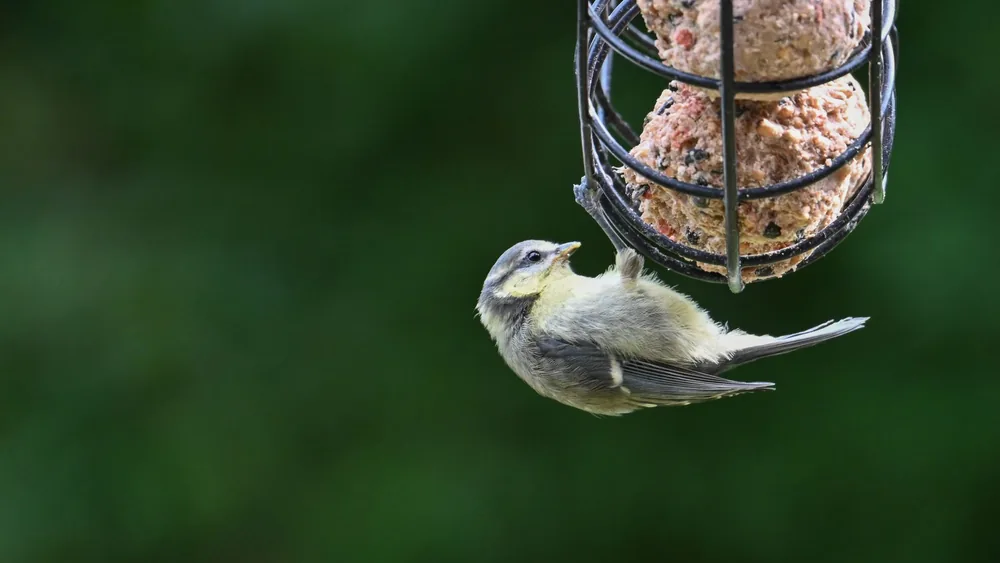
Image source: pexels.com
If you buy one thing, sunflower hearts are the reliable choice. They are high in oil, taken by a wide range of species, and produce no husk waste underneath. Black sunflower seeds are cheaper and leave a mess; striped sunflower is harder for small birds to open.
Cheap Mixes Are Cheap for a Reason
Budget seed mixes are frequently padded with wheat, split peas and dyed biscuit that most garden birds will not touch. It gets thrown out of the feeder, sits on the ground and attracts rodents. Paying more per kilo for a mix birds actually eat is usually cheaper in practice.
Peanuts Belong in a Mesh Feeder
Whole peanuts can choke chicks if taken back to a nest, which is why a mesh feeder that forces birds to peck fragments off is the safer option during the breeding season. Buy peanuts sold specifically for birds, since these are checked for aflatoxin.
Fat Balls Without the Netting
Remove fat balls from plastic mesh bags before putting them out. Birds get their feet and tongues caught in the netting, and the injuries are severe. Use a proper fat ball feeder, and in hot weather take them in when they start to go soft and rancid.
Things Not to Put Out
Cooked oats, salty foods, dried coconut, milk and anything mouldy all cause problems. Bread is not poisonous but is close to worthless nutritionally, and a diet of it in place of real food does harm over time. Stale, dry bread in quantity is the version to avoid entirely.
Water Matters More Than People Expect
A shallow dish of clean water, refreshed daily, is used constantly for drinking and bathing. In a hard frost it becomes the most valuable thing in the garden, and in a dry summer it is not far behind. Keep it shallow, with sloping sides or a stone in the middle.
Feeding in Summer Is Fine
The old advice to stop feeding in spring and summer has largely been revised. Adults feed their chicks on invertebrates rather than seed, but a reliable food source helps the parents themselves during a demanding period. Avoid whole peanuts and hard chunks during this window.
Place Feeders With Cover Nearby
Birds want somewhere to bolt to. A feeder a couple of metres from a shrub or hedge gets far more use than one stranded in open lawn, and it also gives smaller species an escape route from sparrowhawks, which will find your feeder eventually.
And Away From Windows, or Very Close to Them
Window strikes happen at intermediate distances, where a bird builds up speed before hitting the glass. Feeders placed either well away from windows or within about a metre of them reduce collisions. The very close option looks wrong and works.
Cats Are Part of the Calculation
If a cat patrols your garden, siting feeders above head height and away from fences and low walls that provide ambush cover makes a real difference. Prickly planting under a feeder is more effective than most deterrents sold for the purpose.
Squirrels Will Solve Most Feeders
Image source: pexels.com
Baffles and weight-activated feeders work to varying degrees, and a determined grey squirrel is patient. Accepting a share, and using a caged feeder for the seed you want to protect, is less frustrating than an escalating arms race that also excludes the birds.
Store Seed Somewhere Dry
Bought in bulk and left in a damp shed, seed goes mouldy and infests with grain moth. A sealed container in a dry place keeps it usable, and buying a size you will get through in a couple of months avoids the problem entirely.
Watch for Sick Birds
A bird that is fluffed up, lethargic, slow to fly off or struggling to swallow may be carrying something contagious. The standard response is to stop feeding for a period and clean everything thoroughly, which breaks the transmission cycle at the feeder.
Start Small
One feeder, cleaned properly, beats four that are not. Add capacity once the routine is established rather than at the outset, and put out roughly what gets eaten in a day or two so nothing sits long enough to spoil.
Feeders Are Not the Only Option
A dish of mealworms in spring, windfall apples left on the lawn in autumn and an unmown corner all feed birds without any equipment at all. Owners used to controlled portion sizes in other species sometimes over-manage this; the garden does much of the work.
It Is a Supplement, Not a Diet
Garden feeding tops up what birds find themselves. Planting for seed heads, berries and insects does more over a year than any feeder, and leaving part of the garden untidy is the cheapest intervention available.
If You Also Keep Pets
The same logic that applies to a rabbit’s diet applies here: what an animal is designed to eat matters more than what it will accept. Advice from PDSA and other animal welfare charities is a reasonable starting point for any species you are new to.
This is general feeding information, not veterinary advice. Small mammals, birds, fish and reptiles hide illness well and deteriorate quickly, so anything off-colour, off its food or losing weight should be seen by a vet with experience of that species rather than managed at home on a change of diet.