How Much to Feed a Puppy or Kitten
Feeding charts are a starting point. Body condition, meal frequency and growth stage decide the rest.

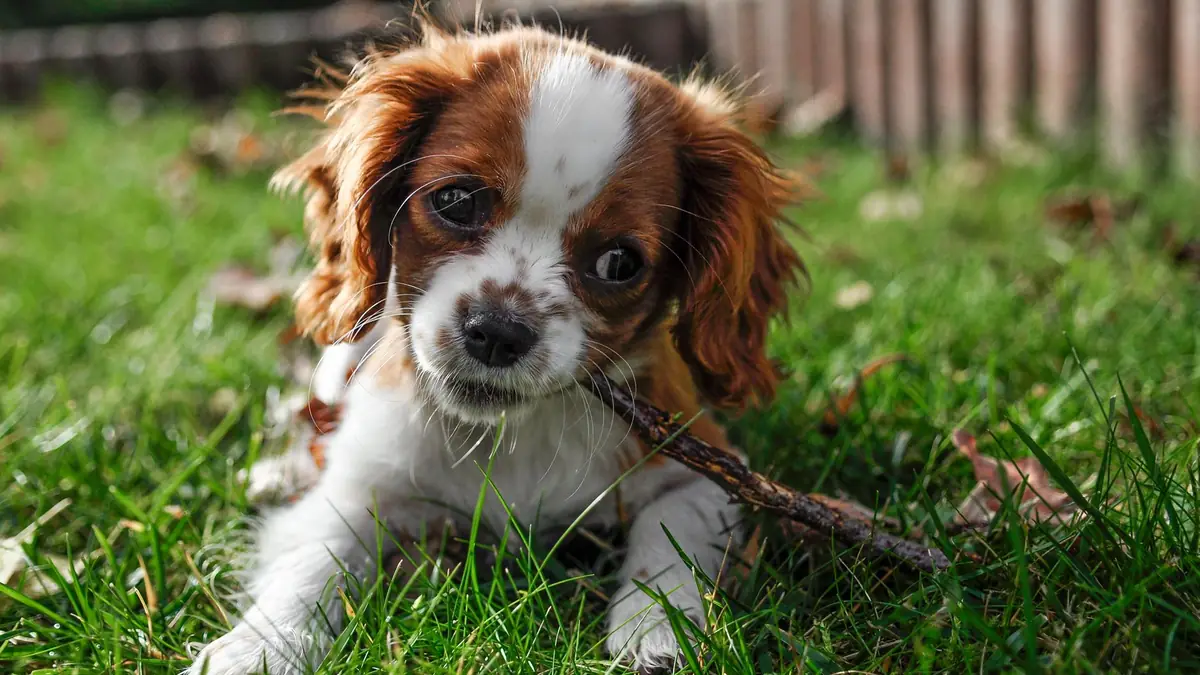
Every bag carries a chart, every chart differs, and the honest answer is that the numbers are a reasonable starting estimate for an average animal. What tells you whether the amount is right is the animal in front of you.
This is general information about pet food, not veterinary advice. Any animal that is unwell, losing weight, or has a suspected food intolerance should be seen by a vet — diet changes made without a diagnosis can delay identifying something else entirely.
Start With the Chart, Then Adjust
Feeding guidelines are calculated for a typical animal of that weight and age. Activity level, metabolism, neutering status and growth rate all shift the requirement, sometimes considerably. Use the chart to begin and adjust based on condition over two to three weeks.
Body Condition Is the Real Measure

Image source: pexels.com
You should be able to feel ribs easily under a light covering, see a waist from above, and see a tuck from the side. Vets and charities publish body condition scoring charts, and learning to use one is more useful than any feeding table.
Growing Animals Eat More Relative to Size
Puppies and kittens need considerably more energy per kilogram than adults, and they need it from food formulated for growth. Adult food does not provide the right balance for a growing animal, particularly for calcium and phosphorus in larger breeds.
Meal Frequency Reduces With Age
Very young animals need frequent small meals — commonly four a day — reducing to three and then two as they grow. Kittens in particular do better with several small meals, and many cats continue to prefer that pattern into adulthood.
Counting Pouches
Where wet food is fed, the number of pouches per day depends on the pouch size and the animal’s weight, and the manufacturer’s chart is specific to that product. Substituting a different brand at the same number of pouches is a common way to under- or overfeed.
Large Breed Puppies Are a Special Case
Rapid growth in large and giant breeds is associated with joint problems, and overfeeding accelerates it. Large breed puppy foods are formulated for controlled growth, and keeping these animals lean while growing is generally advised.
Treats Count
Treats, chews and training rewards form part of the daily intake and are frequently ignored in the calculation. A common guideline is keeping them to a small proportion of total intake, with the main food reduced accordingly.
Weigh the Food
Scoops and cups vary and are consistently inaccurate. Kitchen scales cost very little and remove the most common source of accidental overfeeding, which is the largest single cause of weight problems in pets.
Fresh Water Always
Particularly where dry food is fed, constant access to fresh water matters. Cats frequently drink more from a wide bowl away from food, or from a fountain. This is one of the arguments considered under wet and dry food.
Weigh the Animal Regularly
Monthly weighing during growth catches problems early, and most vet practices allow this free of charge. A growth curve is far more informative than a single number.
When to Move to Adult Food
The timing depends on breed and expected adult size, and larger breeds mature later. Ask your vet rather than assuming a fixed age, and make the change gradually following switching food safely.
Adult Portions Are Not a Fixed Number
The figure on the bag is a starting point for an average animal, not a prescription. Two dogs of identical weight can need noticeably different amounts, and the correct portion is the one that holds body condition steady over several weeks.
Growth Is Not a Race
Overfeeding a large-breed puppy to grow faster is associated with joint problems later, and steady growth is the goal rather than maximum size early. This is one area where feeding more is actively unhelpful rather than merely wasteful.
Treats Should Be Deducted
Where treats form part of training or routine, reduce the main meal accordingly rather than adding them on top. Training in particular can involve a substantial number of rewards in a single session.
Multi-Pet Households Need Separation
Animals fed together eat at different speeds and finish each other portions. Feeding in separate rooms, or removing bowls after a set period, is the only reliable way to know who has eaten what.
Use a Scale, Not a Scoop
Image source: pexels.com
Scoops vary between products and between people, and the error compounds over a year. Kitchen scales remove it entirely and take a few seconds per meal, which is the single most effective step against gradual weight gain.
Adjust for Activity Honestly
A dog walked twice daily needs more than one walked around the block, and winter routines frequently reduce activity without the food being adjusted. Reviewing the amount seasonally catches this before it becomes visible.
Ask the Practice to Weigh Them
Most veterinary practices allow free weighing between appointments, and nurses will frequently discuss body condition. It costs nothing, takes minutes, and produces a record over time that is far more useful than a single reading.
Neutering Changes Requirements
Energy needs typically fall after neutering, frequently by a meaningful proportion, while appetite may not. Adjusting the amount at that point prevents the weight gain that commonly follows and is much easier than reversing it later.
Free Feeding Makes Monitoring Impossible
Where food is available constantly, you cannot tell how much an animal has eaten or whether appetite has changed. In multi-pet households you also cannot tell who ate what. Measured meals solve both.
Growth Is Not a Straight Line
Puppies and kittens grow in bursts and appetite fluctuates accordingly. A few days of reduced interest in an otherwise well animal is usually unremarkable; a sustained change is worth mentioning to a vet.
Do Not Guess With Large Breeds
Growth rate in large and giant breeds has lasting consequences for joints, and the temptation to feed generously is strong. Follow large-breed guidance specifically and keep the animal lean rather than well covered.
If Weight Is Not Right
An animal not gaining as expected, or gaining too quickly, should be seen by a vet rather than simply having the portion adjusted. Underlying causes exist, and PDSA publishes guidance on when to seek help.