Wet or Dry Food for Dogs and Cats: How to Decide
Hydration, dental claims, cost and practicality — the genuine differences, and the ones that are overstated.

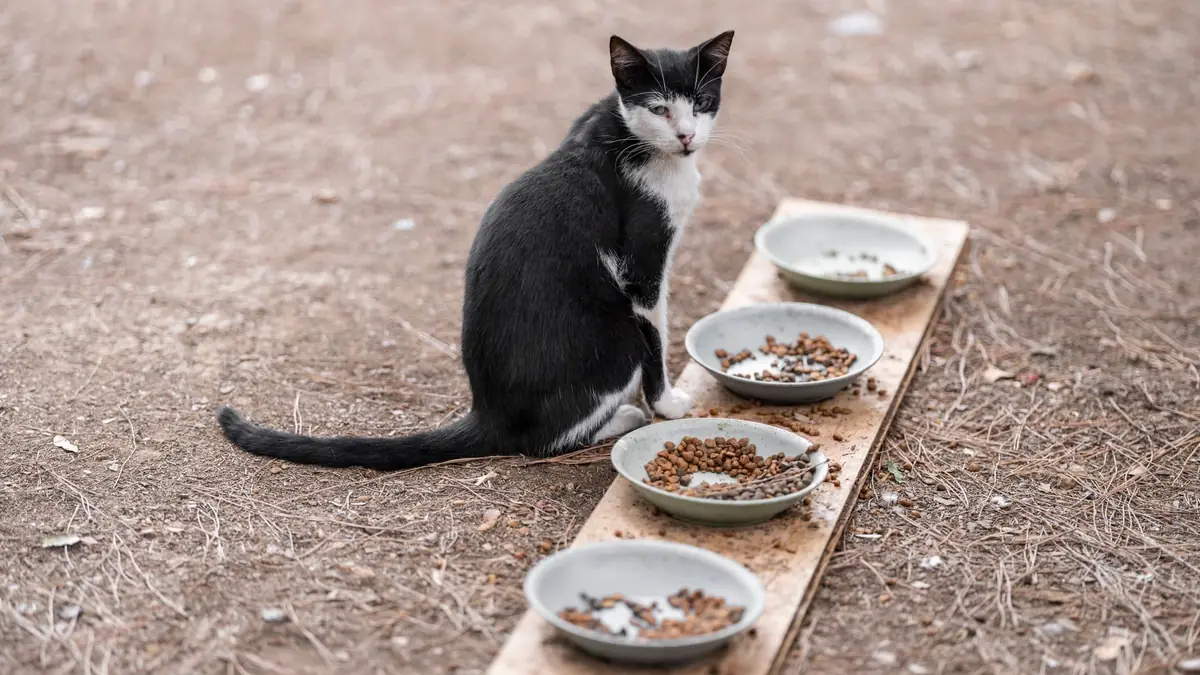
The wet-or-dry question generates strong opinions and the honest answer for most healthy animals is that either can be appropriate. The differences that matter are practical rather than moral.
This is general information about pet food, not veterinary advice. Any animal that is unwell, losing weight, or has a suspected food intolerance should be seen by a vet — diet changes made without a diagnosis can delay identifying something else entirely.
Moisture Is the Main Difference
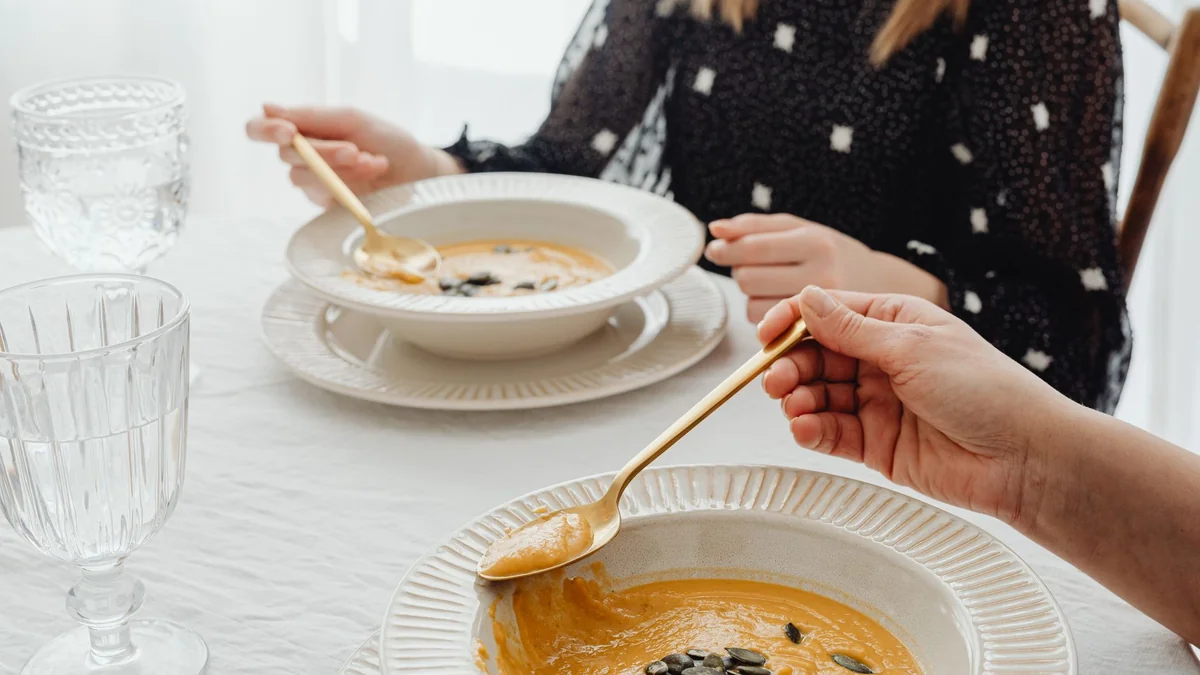
Wet food is largely water; dry food contains very little. For cats in particular this matters, because cats evolved to obtain most of their water from prey and many drink less than is ideal. Increased moisture intake is one of the clearer arguments for wet feeding.
Comparing Nutrition Requires Dry Matter
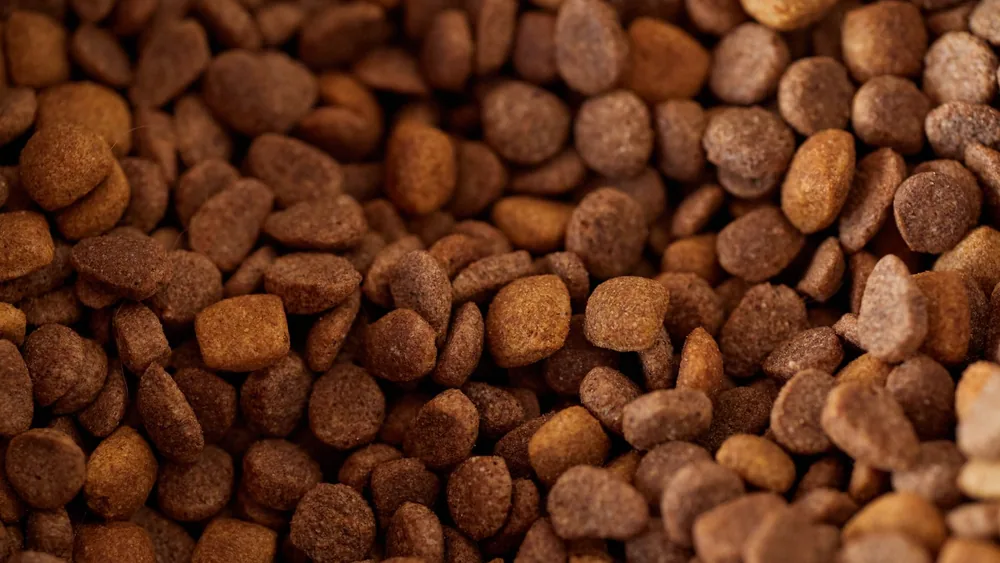
Image source: pexels.com
The analytical figures on a wet food and a dry food are not directly comparable, because one includes far more water. Converting both to a dry matter basis is the only way to compare protein or fat honestly, as explained under reading a pet food label.
The Dental Argument Is Weaker Than Claimed
Dry food is frequently said to clean teeth. Most standard kibble shatters on contact and does relatively little. Specific dental diets designed with a particular kibble structure are a different matter, and brushing remains considerably more effective than either.
Cost per Day, Not per Kilogram
Wet food looks more expensive by weight and much of that weight is water. The meaningful comparison is the cost of feeding the animal for a day at the recommended quantity, which narrows the gap though usually does not close it.
Practicality Differs
Dry food can be left down, measured quickly and stored easily. Wet food needs refrigeration once opened, is less suitable for leaving out, and generates more packaging. For multi-animal households and for feeding while away, this is frequently the deciding factor.
Mixed Feeding Is Common and Fine
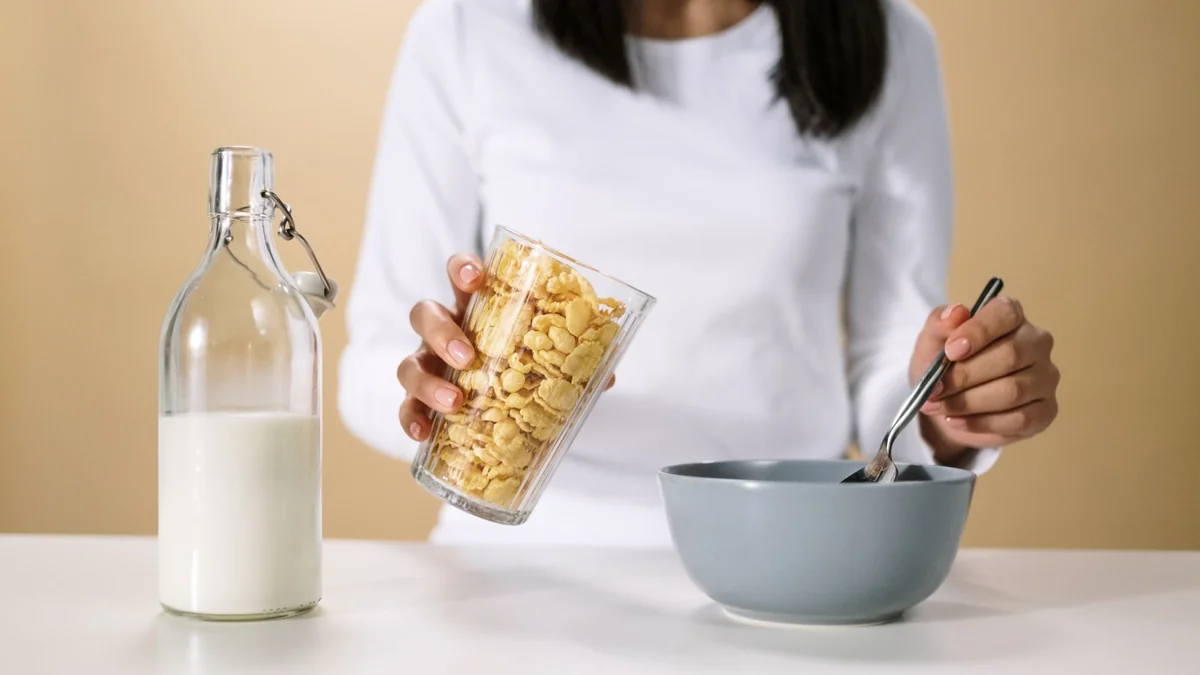
Feeding both — wet at one meal, dry at another, or dry topped with wet — is widespread and works well for many animals. If you do, account for both when calculating the daily amount, since feeding full portions of each is a common route to weight gain.
Weight Management
Wet food is generally less energy dense, so a satisfying volume contains fewer calories. For animals prone to weight gain, that is a genuine practical advantage.
Fussiness and Texture
Cats in particular form texture preferences early and can be reluctant to change later. Offering some variety while young makes life easier if a diet change becomes necessary for medical reasons.
Storage After Opening
Opened wet food should be refrigerated and used within the period stated, and served at room temperature rather than chilled. Dry food should be kept sealed and dry — decanting into a container is fine, but keep the original packaging for the batch code and best-before date.
Medical Conditions Change the Answer
Urinary conditions, kidney disease and some digestive conditions frequently make moisture intake genuinely important, and this is where prescription diets come in. Where a vet has recommended one format, that recommendation is based on the individual animal.
Dental Claims Need Care
Dry food is often assumed to clean teeth, and standard kibble does relatively little because it shatters on contact. Specific dental diets are formulated to work differently. Neither replaces brushing, which remains the most effective option.
Storage Affects Both
Dry food loses palatability and fat quality once opened and exposed to air, and wet food must be refrigerated after opening. Keeping dry food in its original bag inside a container preserves it better than decanting it loose.
Portion Control Differs Between Formats
A pouch and a scoop of kibble are not equivalent, and mixing both without adjusting either is one of the more common causes of gradual weight gain. Calculate the combined total rather than feeding standard amounts of each.
Texture Preferences Form Early
Animals introduced to only one format as youngsters frequently refuse the other later, which becomes a problem if a medical condition makes a change necessary. Some early variety is worth building in.
Hydration Matters Most for Cats
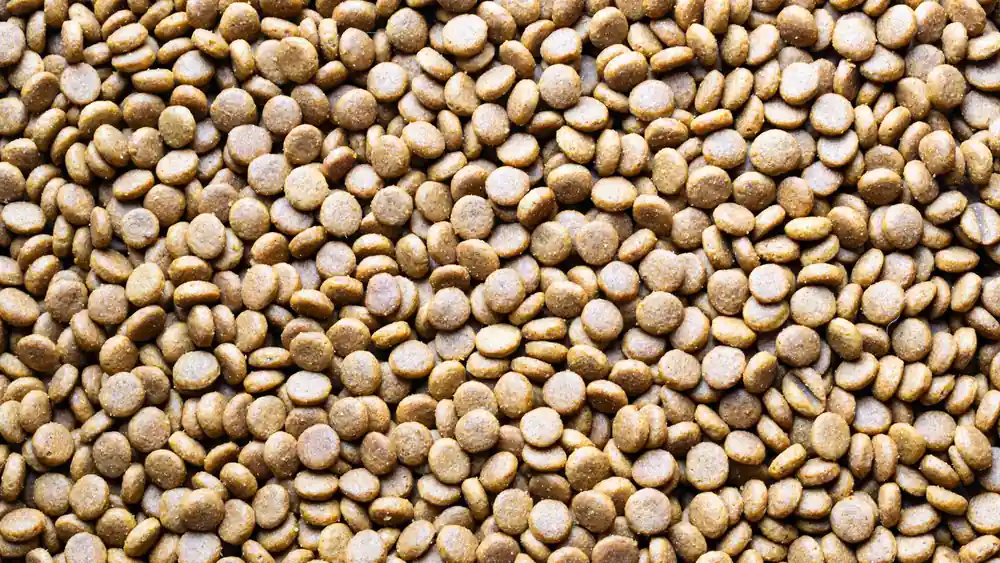
Image source: pexels.com
Cats have a low thirst drive relative to their needs and frequently run mildly dehydrated on dry food alone. Water fountains, multiple bowls away from food, and some wet food in the diet all help, and this is one of the stronger practical arguments for including wet.
Dry Food Is Easier to Overfeed
Because it is energy dense and easy to pour, dry food is where accidental overfeeding usually happens. Weighing rather than scooping removes most of that problem at no cost.
Cost and Waste
Wet food generates more packaging and more waste where portions are not finished. Dry food keeps longer once opened. For households feeding several animals, this practical difference frequently decides the question.
Cats Prefer Food at Body Temperature
Wet food served straight from the fridge is frequently refused, and warming it slightly releases aroma. Never heat in a microwave to the point of hot spots — a few seconds, stirred, or simply left out briefly is enough.
Bowl Choice Affects Eating
Shallow wide bowls suit cats better than deep narrow ones, which press on whiskers. Raised bowls are sometimes recommended for larger dogs, though the evidence is mixed. Where an animal eats reluctantly, the bowl is worth changing before the food is.
Leaving Food Down
Dry food can be left out; wet food should not be, particularly in warm weather. Free feeding makes it impossible to monitor intake, which matters when an animal is unwell — the first sign is frequently eating less.
Consider the Teeth Separately
Dental health is managed by brushing, dental diets designed for the purpose, and veterinary checks, not by the choice between wet and dry. Treating food format as a dental strategy leaves the actual problem unaddressed.
Switching Between Them
Moving between wet and dry is a substantial change in moisture and texture, and it should be done gradually. Follow the approach in switching food safely, and expect stool consistency to change during the transition.