Grain-Free Dog Food: What It Means and What It Does Not
Removing grain does not remove carbohydrate, and grain is rarely the cause of the problems it is bought to solve.

Grain-free is one of the most successful descriptions in pet food, and one of the most misunderstood. It tells you one thing that is absent and nothing about what replaced it.
This is general information about pet food, not veterinary advice. Any animal that is unwell, losing weight, or has a suspected food intolerance should be seen by a vet — diet changes made without a diagnosis can delay identifying something else entirely.
Grain-Free Is Not Carbohydrate-Free
Dry food needs starch to form kibble. Where wheat, maize or rice are removed, they are generally replaced by potato, sweet potato, peas, lentils or chickpeas. The carbohydrate content is frequently similar; the source has changed.
Grain Is Not a Common Allergen
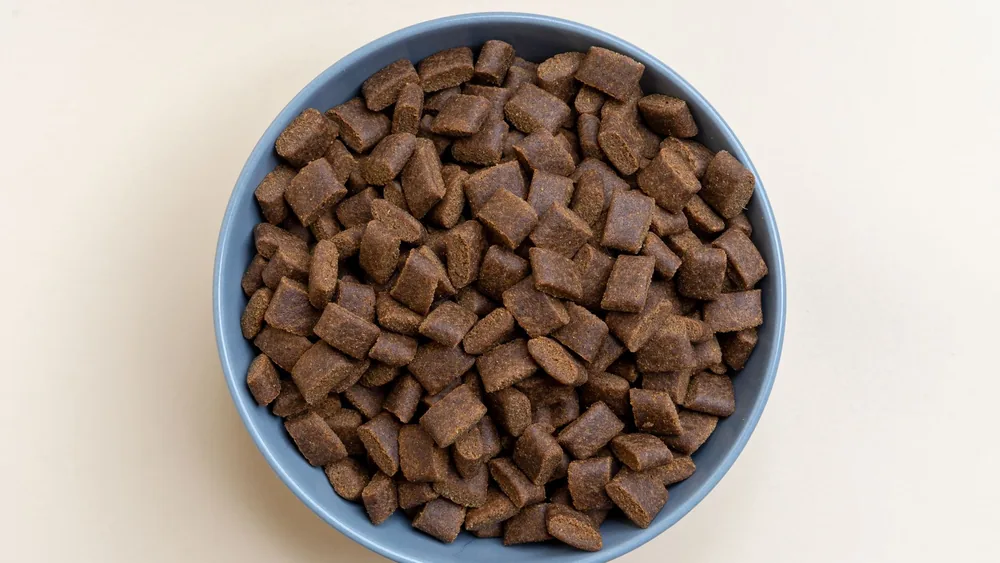
Image source: pexels.com
Reactions in dogs are more commonly associated with protein sources than with grain. Buying grain-free to resolve itchy skin therefore addresses something that is usually not the cause, which is why hypoallergenic diets are a separate question.
Where Grain-Free Genuinely Helps
A minority of dogs do react to specific grains, and for those it matters. It also matters where an elimination trial has identified a particular cereal. The point is that it should follow a finding rather than precede one.
The Heart Disease Question
Regulators in the United States investigated a possible association between certain grain-free diets — particularly those high in peas, lentils and other pulses — and dilated cardiomyopathy in dogs. The investigation did not establish a cause, and the position remains unresolved rather than settled in either direction.
This is worth knowing rather than panicking about. If your dog is on a grain-free diet and you have concerns, that is a conversation to have with your vet, who can consider the individual animal.
Read What Replaced the Grain
A grain-free food built largely on pulses is a different product from one built on sweet potato, which is different again from a high-meat formulation. The description tells you none of this. reading a pet food label does.
Grain-Free Costs More
These products are generally priced above equivalent grain-inclusive foods. Where there is a diagnosed reason, that is money well spent. Where it was bought on the assumption that grain is inherently poor, it is a premium for a change that may make no difference.
Cereals Are Not Inherently Filler
Rice, oats and barley are digestible and provide energy, fibre and some nutrients. The word “filler” is marketing rather than nutrition. What matters is the overall formulation and whether it suits the individual animal.
Watch the Feeding Quantity
Different formulations have different energy densities, so the recommended amount changes between foods. A more expensive food fed in smaller quantities may cost less per day than a cheaper one fed generously.
Judge It on the Dog
Stool quality, coat, weight, energy and skin over several weeks are the measures that matter. If those are good on a grain-inclusive food, there is no reason to change.
Transition Properly
Grain-free foods frequently have a different fibre and protein profile, and switching abruptly commonly causes loose stools that get blamed on the food itself. Follow the approach in switching food safely.
Grain Is Not the Same as Filler
Rice, oats and barley are digestible carbohydrate sources that also contribute fibre and some protein. The word filler is marketing rather than nutrition, and it is applied to ingredients that do a job in the formulation.
Price Does Not Track Quality Reliably
Grain-free products sit at a premium, and that premium reflects positioning at least as much as ingredient cost. A mid-range food with grain frequently outperforms a more expensive grain-free one on the measures that matter.
Ask What Problem You Are Solving
If the answer is a specific diagnosed reaction, grain-free may be exactly right. If it is a general sense that grain is bad, that premise is not well supported and the money may be better spent elsewhere.
Watch for Marketing Overlap
Grain-free, hypoallergenic and natural frequently appear on the same bag and mean different things, none of them regulated. Each claim needs checking against the ingredient list separately.
Legumes Serve More Than One Purpose
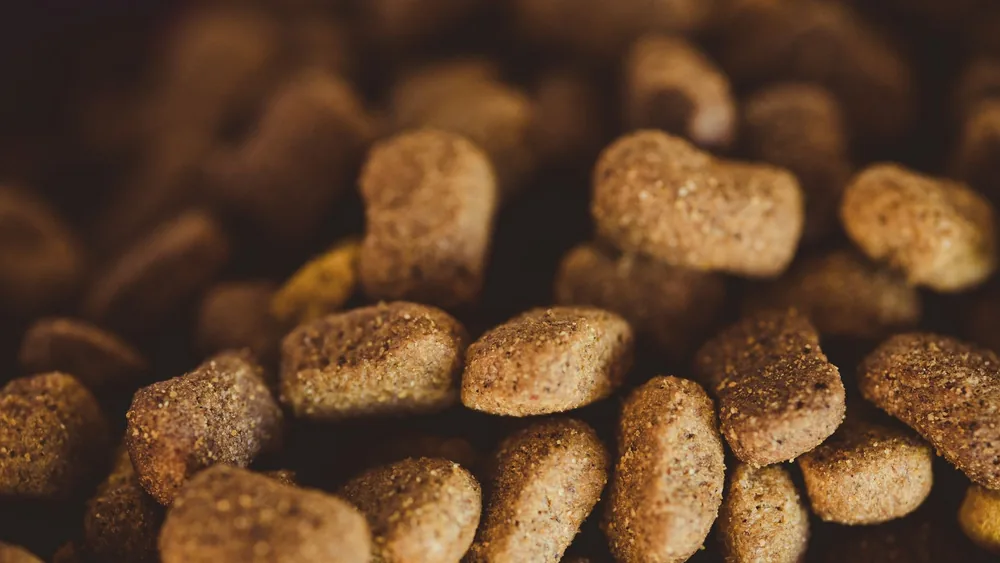
Image source: pexels.com
Peas and lentils provide starch for kibble structure and also contribute protein, which can raise the headline protein figure without adding animal protein. Reading where the protein comes from is more informative than the percentage.
There Is No Need to Rotate for Its Own Sake
Animals do not require dietary variety in the way people assume, and frequent changes make it harder to identify what suits them. Where an animal does well on a food, staying with it is a reasonable choice.
Discuss It Rather Than Deciding Alone
If you have chosen grain-free for a specific reason, mention it at the next check-up. Vets see the consequences of dietary choices across many animals and can flag anything worth considering for yours specifically.
Check the Protein Sources
Some grain-free foods are high in meat; others use pulses to provide protein, which changes the amino acid profile. The percentage of protein tells you the quantity, not where it came from, and for a carnivore the source matters.
Cats Are Different From Dogs
Cats are obligate carnivores with specific requirements — notably taurine — that dogs do not share. Advice written about dog food does not transfer, and a diet adequate for a dog can be seriously inadequate for a cat.
Watch the Fibre Content
Pulse-based formulations frequently contain more fibre, which affects stool volume and consistency. That is not harmful and it is a noticeable change, particularly in the first weeks after switching.
Price Does Not Indicate Suitability
Expensive grain-free foods are not automatically better for your animal than cheaper grain-inclusive ones. The right food is the one the individual does well on, which is established by feeding it and observing rather than by the price.
Ask Before Assuming
If you are changing diet because something is wrong, the diagnosis should come first. Persistent digestive or skin signs need a vet rather than another bag, and resources such as PDSA explain when to seek help.