Financing a Narrowboat or Caravan in the UK
Marine loans and surveys, narrowboat running costs, static caravan pitch agreements, touring caravan HP and CRiS checks, your hire purchase rights and checking the lender.

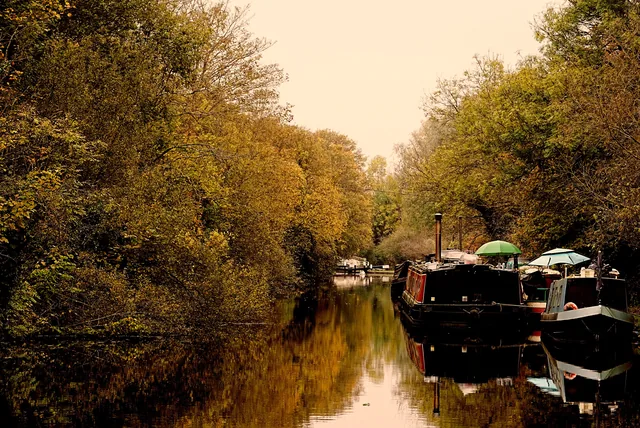
Rob and Julie retired last spring in Worcestershire with a lump sum, a lot of free time and two very different dreams. Rob wanted a 57-foot narrowboat for £65,000. Julie had her eye on a static caravan on a Devon holiday park for £45,000. Both needed some borrowing, and both dealers offered finance on the spot. What neither dealer mentioned was how different the running costs, resale values and small print would be. Narrowboat and caravan finance works differently from car finance, and knowing how can save you thousands.
| Narrowboat | Static caravan | Touring caravan | |
|---|---|---|---|
| Usual finance | Marine loan or personal loan | Dealer or park finance | Hire purchase |
| Key check | Out-of-water survey | Pitch agreement and site fees | CRiS history check |
| Ongoing costs | Licence, mooring, insurance, maintenance | Site fees, insurance, utilities | Storage, insurance, servicing |
| Resale | Can hold value if well kept | Often falls sharply | Steady fall, like a car |
Why leisure assets are financed differently

Image source: pexels.com
A lender looks at three things when it finances something: can you afford the payments, what is the item worth if you stop paying, and how easy is it to sell? Cars are simple on all three. Boats and caravans are not. They are bought for pleasure, often by people near or in retirement, they can be hard to value, and a static caravan cannot be moved without the park’s agreement. So expect more questions, larger deposits and sometimes shorter terms. With Bank Rate held at 3.75% in September 2026, rates are lower than two years ago, but leisure loans still usually cost more than a mainstream car loan. If you have been turned down before, our guide to being refused finance explains what to check.
Financing a narrowboat
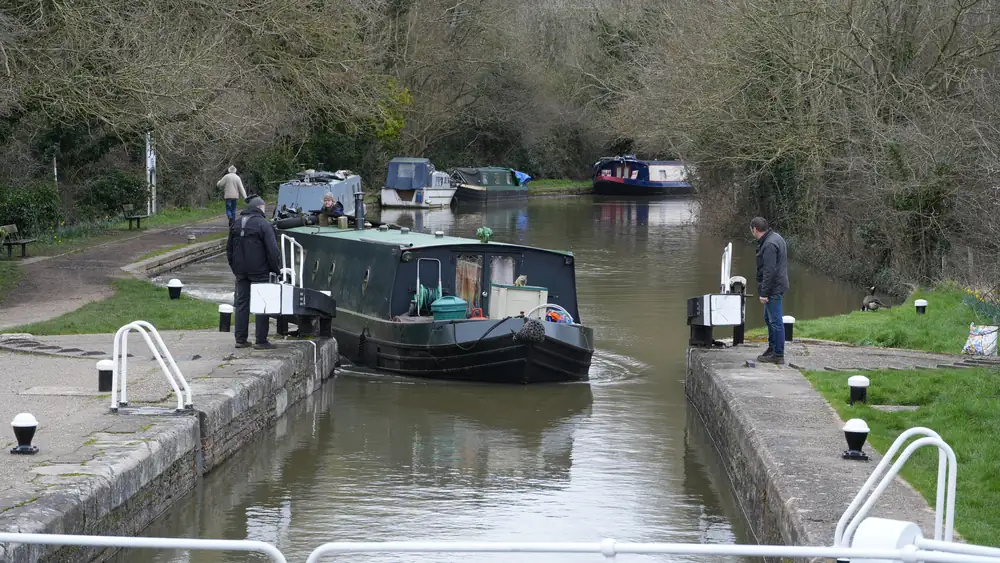
Image source: pexels.com
Narrowboats are usually financed with a specialist marine loan, sometimes secured on the boat, or an unsecured personal loan for smaller amounts. Most marine lenders want a deposit, often 20% or more, and a recent independent survey with the boat out of the water, including a hull thickness test. Do not skip the survey even for a cash purchase; a thin hull or failing engine can cost more than the finance. Rob’s survey found pitting that needed £4,000 of overplating, which he negotiated off the price. Ask whether the lender charges for early repayment, because many boat owners sell within a few years, and check how any secured loan will be recorded against the boat.
The running costs lenders now ask about
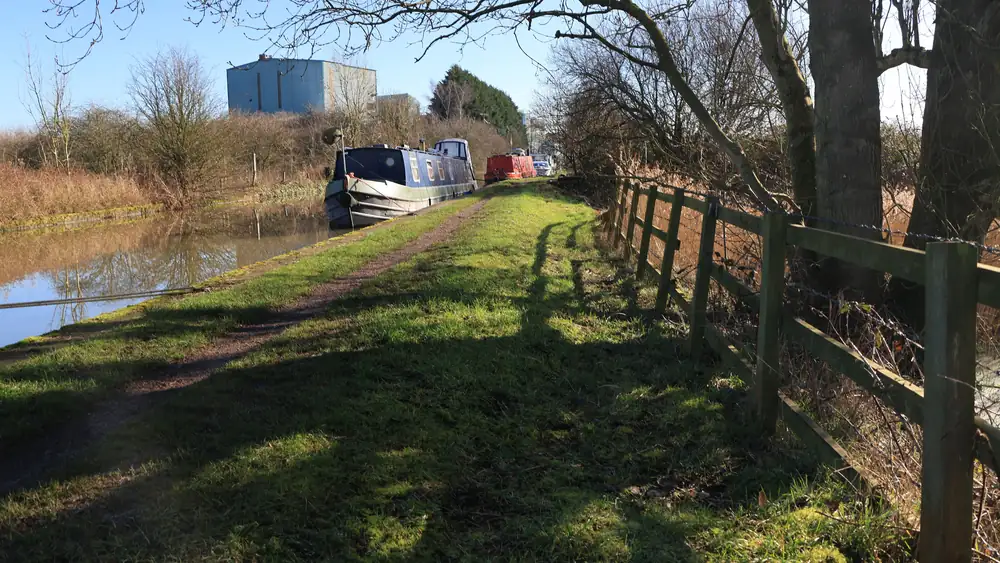
Image source: pexels.com
The loan is only the start. On the canals you need a licence from the Canal & River Trust, which has risen sharply in recent years, plus a Boat Safety Scheme certificate renewed every four years. Unless you cruise continuously, you also need a home mooring, which can cost thousands a year near popular towns. Add insurance, regular hull blacking, engine servicing, fuel and gas. Lenders increasingly ask about these costs when assessing affordability, and they should. Rob’s budget came to more than £6,000 a year before a single loan payment. Write a full annual budget before you apply, and include a fund for the repairs every boat eventually needs.
Static caravans: the pitch matters most
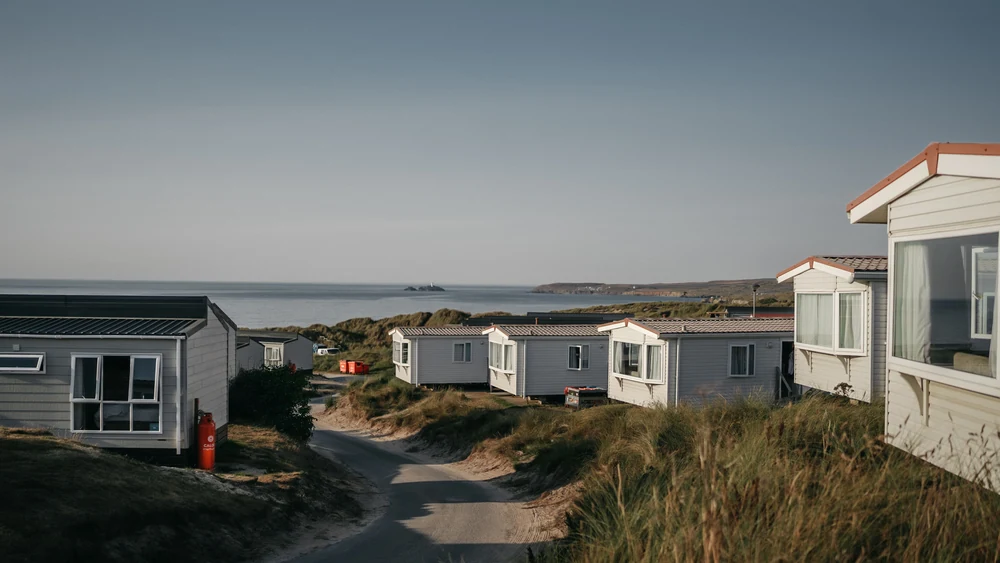
Image source: pexels.com
With a static holiday caravan, you usually buy the caravan but rent the pitch. The pitch or licence agreement matters as much as the caravan. Check how long it lasts, how much site fees are and how they can rise, whether the park has rules on how old a caravan can be, and whether you can sell privately on site or must sell back to the park. Holiday caravans are not covered by the Mobile Homes Act, which protects residential park homes, so your rights come mainly from that agreement and consumer law. Julie found that her park’s fees would rise to over £6,500 a year, and resale was only through the park, at the park’s price. That changed the maths completely.
Touring caravans and motorhomes
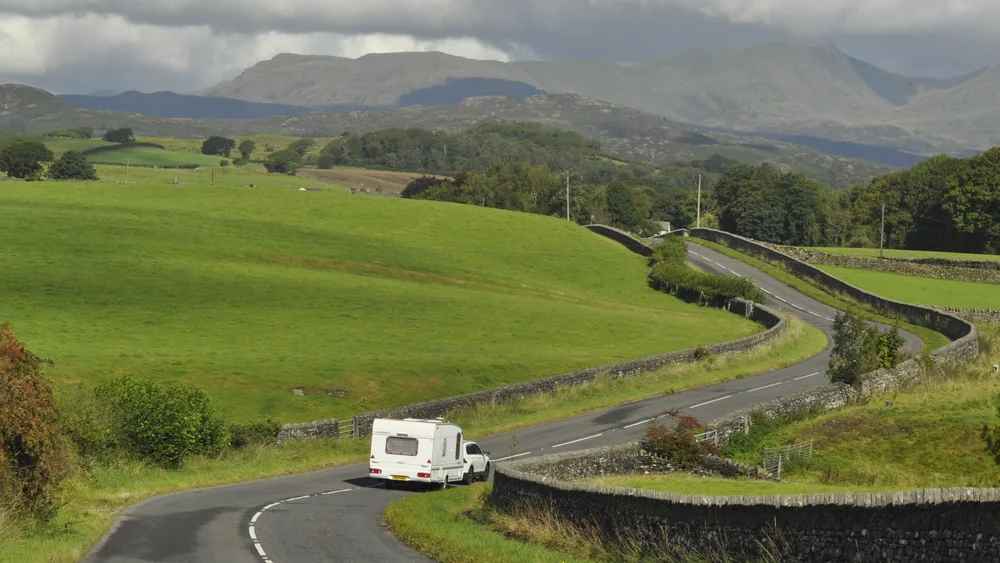
Image source: pexels.com
Touring caravans and motorhomes are closer to car finance and are often bought on hire purchase. Before buying second-hand, run a CRiS check on a touring caravan, the industry register that shows whether it is stolen, written off or still has finance owing. For motorhomes, a standard vehicle history check does the same job. On towing, most drivers who passed their car test can now tow trailers up to 3,500 kg in total, following a rule change in December 2021, but make sure your car is rated to tow the weight. For converted vans, our guide to camper van finance covers the specific checks.
Your rights under hire purchase

Image source: pexels.com
Hire purchase gives you strong protections under the Consumer Credit Act. Once you have paid one-third of the total price, the item becomes “protected goods” and the lender cannot repossess it without a court order. Once you have paid half the total amount, you can usually hand it back and walk away with nothing more to pay, as long as it has been looked after. If you pay part of the price by credit card, purchases between £100 and £30,000 get extra protection under Section 75. If the caravan or boat turns out to be faulty, the rules in our guide to returning a faulty item on finance work in a similar way.
Check the lender and the dealer

Image source: pexels.com
Dealers who arrange finance are acting as credit brokers and must be authorised by the Financial Conduct Authority, or be an appointed representative of a firm that is. Check both the dealer and the lender on the FCA register, not just the logo on a leaflet. Ask whether the dealer earns commission for arranging the loan and how that affects your rate; you are entitled to a clear answer. Compare the dealer’s offer with a personal loan from your own bank and a specialist lender, using the total amount payable rather than the monthly figure. Our guide to checking FCA authorisation shows how to use the register.
If you struggle with the payments
Retirement plans change, and so do incomes. If paying becomes difficult, contact the lender early, before you miss a payment. FCA rules require lenders to treat borrowers in difficulty fairly, which can mean a payment break, a reduced plan or more time. Do not simply stop paying and leave the boat on a mooring or the caravan on its pitch, because arrears, site fees and mooring charges will keep building. Free, independent help is available from services such as StepChange, Citizens Advice and MoneyHelper. Our guide to what lenders can and cannot repossess explains the protected goods rules in more detail, and if you think a loan was sold unfairly, see our guide to mis-sold finance claims.
Depreciation, resale and getting out early
Think about the end before you start. A well-maintained narrowboat can hold its value surprisingly well, although a poor survey can knock thousands off. Static caravans often lose value fast, especially if the park controls resale or the caravan is approaching the park’s age limit. Touring caravans fall steadily, much like cars. If you might sell within a few years, check the early repayment terms and ask for a settlement figure before you commit. Our guide to settlement figures explains how they are calculated. Never agree a loan term that runs longer than you realistically expect to keep the boat or caravan.
What Rob and Julie chose
Once they had written down the full yearly costs, the resale terms and the finance quotes side by side, the choice became clearer. The static caravan’s site fees and park-only resale put Julie off. They bought a smaller £52,000 narrowboat with a larger deposit, a five-year marine loan with no early repayment charge and a survey-backed price cut. Narrowboat and caravan finance is not hard to get, but it is easy to get wrong. Take your time, read the agreements and budget for the life, not just the purchase.
Frequently asked questions
Can you get finance on a narrowboat?
Yes. Specialist marine lenders offer boat loans, usually with a deposit and a recent out-of-water survey. Smaller amounts can use personal loans.
Is static caravan finance a mortgage?
No. You usually buy the caravan with a loan or dealer finance and rent the pitch, so the pitch agreement and site fees matter greatly.
What is a CRiS check?
A check against the touring caravan register showing whether the caravan is stolen, written off or still has finance owing.
Can I hand back a caravan on hire purchase?
Usually, once you have paid half the total amount payable and looked after it, you can end the agreement with nothing more to pay.
Do I need a special licence to tow a caravan?
Most drivers who passed their car test can tow up to 3,500 kg since December 2021, but check your car’s towing limit.
What does a narrowboat cost to run each year?
Often several thousand pounds for the licence, mooring, insurance, maintenance and safety certificate, before any loan payments.
This article is general information, not financial advice. Rates, fees and lender criteria change. Check the latest figures with lenders, the Canal & River Trust and your chosen park, and use an FCA-authorised firm.