Buying Sofas, Fridges and TVs on Finance: What to Check
Interest-free versus deferred interest, the July 2026 BNPL rules, your rights when goods are faulty, the 14-day cooling-off period and why the monthly figure misleads.


Zoe and her partner moved into their first flat in Sheffield with a mattress, two chairs and a kettle. The furniture shop had a corner sofa for £1,499 or “just £41 a month”, and the washing machine next door was “0% for 12 months”. It all felt manageable. Eighteen months later, one of those deals had cost them nothing extra and the other had cost them £380 in back-dated interest — because of a single date they missed. Buying household goods on finance can be genuinely good value. The difference is in the small print, and in knowing which kind of deal you are actually signing.
| Type of deal | What to watch |
|---|---|
| Interest-free credit | Genuinely free if every payment is made on time |
| Deferred interest (“buy now pay later” store credit) | Miss the clearing date and interest can be backdated |
| BNPL (pay in instalments) | FCA-regulated from 15 July 2026 |
| Store or catalogue credit | Often high interest once any offer ends |
| Credit card | Section 75 cover on items £100–£30,000 |
Interest-free really can be free
Image source: pexels.com
Genuine interest-free credit spreads the price over a set number of months with no interest at all, as long as you make every payment on time. Zoe’s sofa was on this kind of deal: £1,499 over three years, and she paid £1,499. Retailers offer it because it sells more sofas, and the lender is usually paid a fee by the shop. The catch is that it is still a credit agreement. It goes on your credit file, the lender will check you can afford it, and missed payments can bring charges and hurt your record. Used carefully, it is one of the cheapest ways to spread a big cost. Used carelessly, it is just debt with a friendly label.
The deferred interest trap
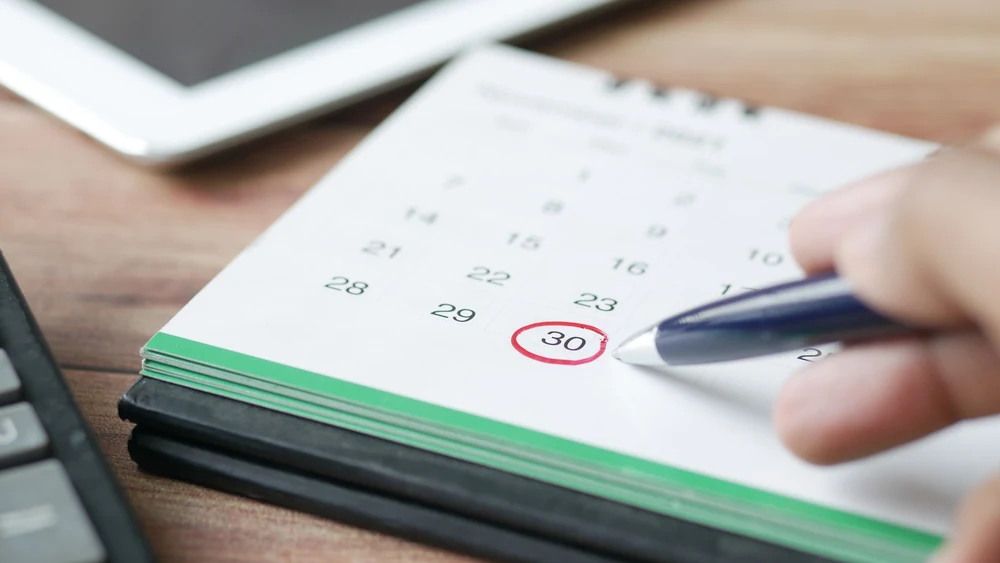
Image source: pexels.com
This is where Zoe lost £380. Some store deals, often called “buy now pay later” long before the modern apps existed, give you a period — say twelve months — to clear the balance. Pay it all off in time and there is no interest. Miss the date by even a little, and interest is often charged on the whole amount backdated to the day you bought it, frequently at a high rate. Zoe had £90 left on the washing machine when the offer ended. Read the agreement for the words “deferred” or “payment holiday”, write the clearing date somewhere you will see it, and set up payments that finish a month early. That one habit turns a trap back into a bargain.
Buy now, pay later is regulated now

Image source: pexels.com
Modern BNPL — splitting a purchase into a few interest-free instalments, usually at the online checkout — became regulated by the Financial Conduct Authority on 15 July 2026. The FCA estimated that more than 10 million people in the UK used it in 2025, and lending of this kind grew to over £13 billion in 2024. Lenders now have to check you can afford each purchase, explain the terms clearly and help if you struggle, and you can complain to the Financial Ombudsman. Section 75 protection also applies to BNPL purchases between £100 and £30,000, but only on agreements made on or after 15 July 2026. We explain the same rules for bigger jobs in financing a fence.
When the fridge breaks
Image source: pexels.com
Paying on finance does not reduce your rights. Under the Consumer Rights Act 2015, goods must be of satisfactory quality and last a reasonable time. You have 30 days to reject faulty goods for a refund, and if a fault appears in the first six months it is normally assumed to have been there from the start. When the purchase was funded by finance arranged through the retailer, or by a credit card, Section 75 can make the lender jointly responsible for items costing £100 to £30,000 — useful if the shop will not help or goes out of business. The same principles apply to cars, as our guide to returning a car on finance because of faults explains.
Store cards and catalogue credit are different again
Not every “pay monthly” option is a fixed deal for one item. Store cards and catalogue accounts work more like a credit card: an ongoing limit you can keep spending on, with interest charged on any balance you do not clear. Their standard interest rates are often much higher than a mainstream card, and the introductory offers that tempt you in usually end long before the balance does. Minimum payments can be set so low that the debt lingers for years. If you already have a normal credit card with a lower rate, it is almost always the cheaper way to buy the same item — and it brings Section 75 cover too. Treat any store card offered at the till as a separate decision, not part of buying the sofa.
Look past the monthly figure

Image source: pexels.com
Shops advertise the monthly payment because it sounds small. The number that matters is the total amount repayable, which must be shown on the agreement. Compare it with the cash price. If they match, the deal is interest-free; if the total is higher, work out what you are paying for the privilege. Watch for add-ons too: extended warranties, protection plans and delivery charges folded into the finance can add hundreds of pounds, and you may already have cover through home insurance. If you want to clear a deal early, you have a legal right to a settlement figure, much like car finance settlement figures.
You have fourteen days to change your mind
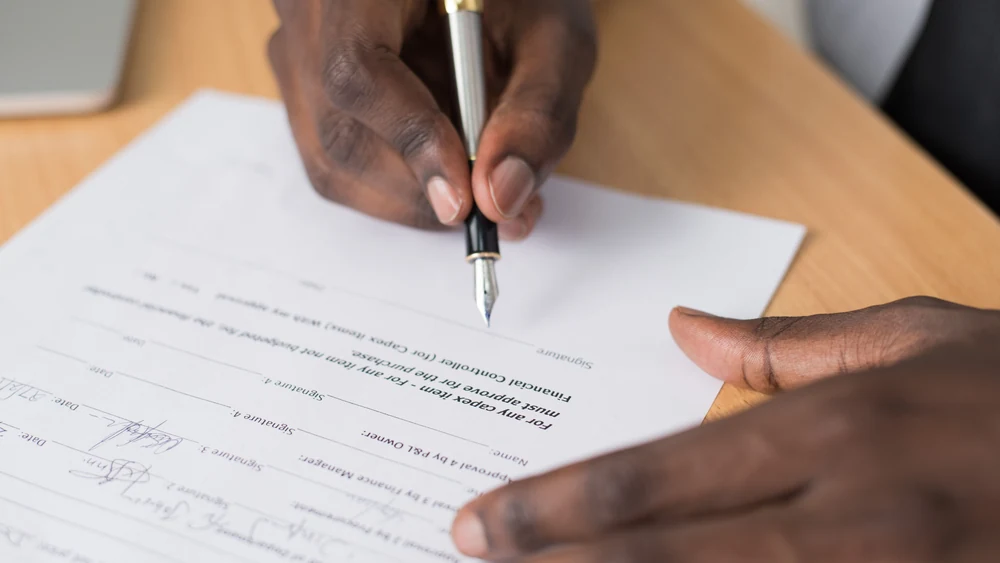
Image source: pexels.com
Most regulated credit agreements come with a 14-day right to withdraw. If you have second thoughts, you can pull out of the finance within fourteen days, keep the goods, and repay the amount borrowed plus any interest for the days you had it — which for interest-free credit is nothing. That is separate from your right to cancel goods you bought online, which is also fourteen days under consumer contract rules. Before you sign, it is also worth checking the lender is properly authorised; the steps are the same as in our guide to checking a lender is FCA authorised.
Sometimes the best answer is to wait
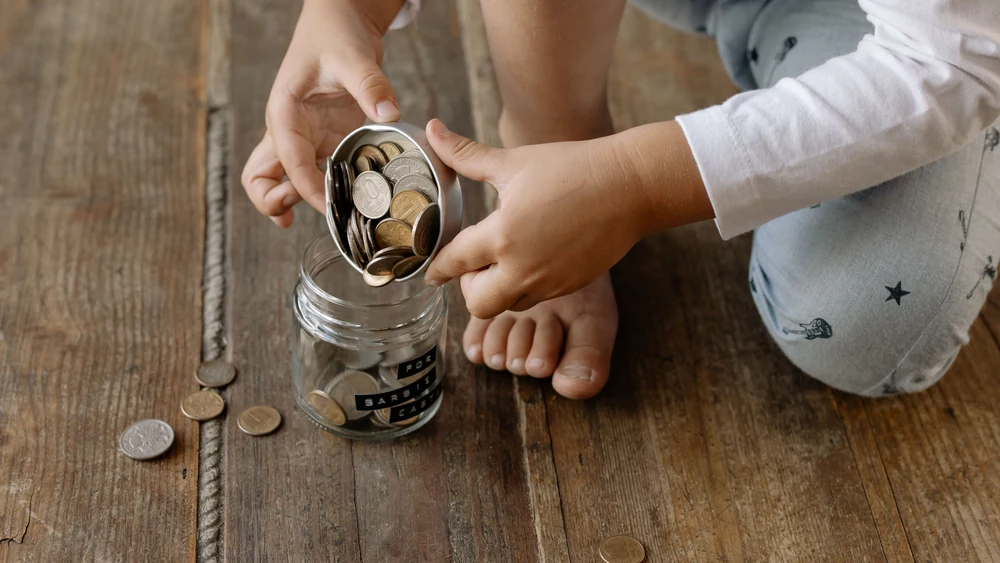
Image source: pexels.com
Finance makes sense for things you genuinely need now — a fridge when the old one dies, a bed you can sleep on. It makes much less sense for things you would simply like sooner. Zoe and her partner now keep a small “home fund” that grows by £50 a month, so the next replacement is paid in cash. Remember that the UK rent-to-own market, where people paid weekly for goods and often ended up paying far more than the shop price, left many families worse off before BrightHouse collapsed in 2020. If your application is declined, do not rush to a high-cost alternative; our guide to what to do after being refused finance explains how to check and repair your file first.
What Zoe does now
She still uses interest-free credit for big, necessary things, but only after checking the agreement for the word “deferred”, putting the end date in her phone, and setting payments to finish a month early. She ignores the add-on warranties, keeps receipts and agreements in one folder, and asks for the total repayable before she signs. Buying household goods on finance is neither good nor bad on its own. It depends entirely on which deal you choose and whether you manage the dates. If you are furnishing a new place, our guide to designing a contemporary home may help you decide what to buy first.
Frequently asked questions
Is interest-free credit really free?
Yes, if you make every payment on time and it is genuine interest-free credit. Check the total repayable matches the cash price.
What is deferred interest?
A deal where no interest is charged if you clear the balance by a set date. Miss it and interest can be backdated to the purchase date.
Is buy now pay later regulated in the UK?
Yes. Interest-free BNPL became regulated by the FCA on 15 July 2026, with affordability checks and Ombudsman access.
Can I return faulty goods bought on finance?
Yes. Consumer Rights Act protections still apply, and Section 75 may make the lender jointly responsible for items costing £100 to £30,000.
Can I cancel a finance agreement after signing?
Usually yes, within 14 days. You keep the goods but must repay what you borrowed, plus any interest for the days used.
Does buying on finance affect my credit score?
It can. Most finance is recorded on your credit file, and missed payments can damage your record and make future borrowing harder.
This article is general information, not financial advice. Rules depend on the type of agreement and when it was made. Read the agreement carefully, and if you are worried about debt, contact a free service such as StepChange, National Debtline or Citizens Advice.