Writing Quotes and Proposals That Win Work and Protect You
Quote or estimate, scope and exclusions, VAT, payment terms, and the 14-day cancellation rule for work agreed in a customer's home that can cost you days of pay.


Lee, a plasterer from Nottingham, quoted £3,200 to skim a whole ground floor, standing in the customer’s kitchen. They agreed on the spot, he started the next week, and halfway through the job the customer changed their mind and cancelled. Lee asked to be paid for the four days he had done. The customer said they did not have to — and, because of what was missing from Lee’s quote, they were right. Writing quotes well is not just about winning the job. It is about protecting yourself once you have.
| A good quote includes | Why |
|---|---|
| Exactly what is included and excluded | Most disputes start with the unwritten bits |
| A clear price, VAT shown | Consumers should see the full price they will pay |
| How long the price is valid | Material costs move |
| Payment terms and deposit | Agreed now, not argued later |
| Cancellation rights (home visits) | Required for contracts agreed at a customer’s home |
| What happens if the job changes | Variations priced in writing before work starts |
Quote or estimate: know which one you are giving

Image source: pexels.com
Customers treat the two words as the same thing. The law does not. A quote is a fixed price for a defined job; if you quote £3,200, you cannot usually ask for £3,900 because it took longer than you hoped. An estimate is an informed guess, and it should say so clearly, with the reasons the final figure might change. Under the Consumer Rights Act 2015, price information you give a consumer can become part of the contract if they rely on it, and where no price was agreed at all, they pay a reasonable one. So label every document plainly as a quote or an estimate. If you genuinely cannot price something until you open up a wall, quote the parts you can and estimate the rest.
Scope and exclusions do most of the protecting

Image source: pexels.com
Most arguments are about what the quote did not say. Does “skim ground floor” include the ceilings? Filling cracks? Removing old wallpaper? Clearing up? Write down what is included, then write down what is not, in the same plain words the customer would use. Say who supplies materials, what standard they are, and what happens if you find a problem once work starts — for example, that extra work will be priced and agreed in writing before you do it. Customers rarely object to exclusions they were told about. They object loudly to surprises. A clear scope also makes difficult conversations far easier, which is most of what our guide to dealing with difficult customers comes down to.
The rule that cost Lee four days’ pay

Image source: pexels.com
When a consumer agrees a contract with you in their own home, it counts as an off-premises contract under the Consumer Contracts Regulations 2013. They get a 14-day right to cancel, and you must give them written information about that right and a cancellation form. If you do not, the cancellation period can stretch by up to 12 months. Worse, if the customer asked you to start inside the 14 days and then cancels, they only have to pay for work done if you gave them the proper information. Lee had not, so they did not. Failing to give the information can also be a criminal offence. The fix is simple: a standard cancellation notice attached to every quote you agree face to face, and a signed request in writing if the customer wants you to start early.
If you work in customers’ homes: give written cancellation information and a form with every quote agreed there, and get a written request if they want work to start within 14 days. Without both, you may not be paid for work you have already done.
Price it clearly, with nothing hidden
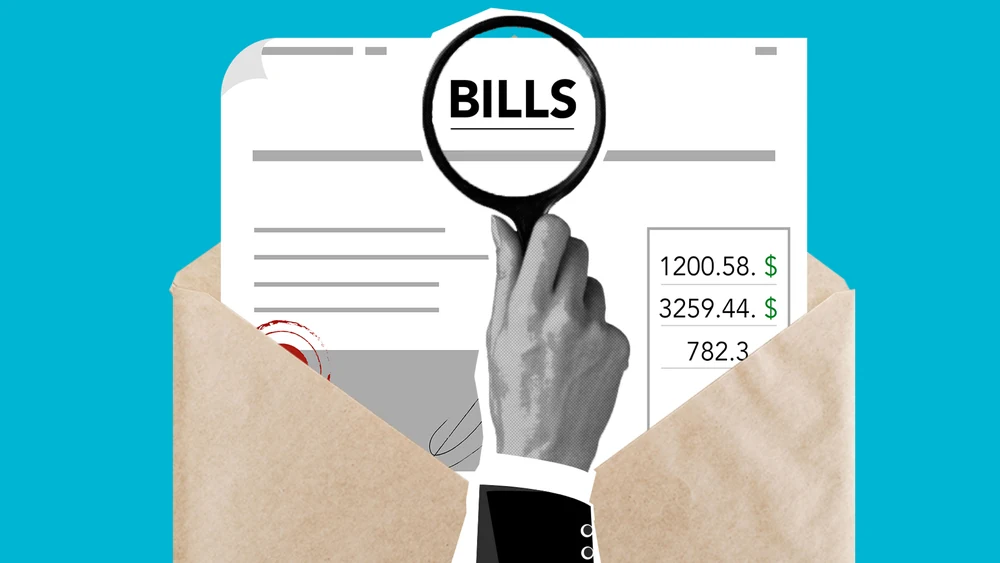
Image source: pexels.com
If you sell to consumers and you are VAT registered, show prices including VAT — the customer should see the figure they will actually pay. Consumer protection rules that took effect in April 2025 under the Digital Markets, Competition and Consumers Act also mean compulsory charges belong in the headline price rather than being added later. For business customers, it is normal to quote “plus VAT”, but say so clearly. Give the quote a validity period, such as thirty days, because material prices move and you do not want to be held to last spring’s figure. If you are close to the threshold, our guide to VAT registration explains how it changes your pricing.
Agree how and when you get paid

Image source: pexels.com
The quote is the moment to agree payment, not the end of the job. State the deposit, when stage payments fall due, the final payment date and how to pay. For larger jobs, stage payments tied to clear milestones protect both sides and keep your cash flowing while you buy materials. For business customers, you can state your standard terms and that statutory late payment interest applies. Clear terms make chasing far simpler, and if a customer still refuses to pay, our guide to recovering unpaid debts sets out the steps. Getting paid on time also makes forecasting your cash flow far more reliable.
Check the customer before you commit
A beautifully written quote is worth little if the customer cannot pay. For large jobs or new business customers, a quick check first is sensible: look the company up on Companies House to see whether its accounts are filed and up to date, ask for a trade reference, and consider a bigger deposit where the risk is higher. None of this has to feel unfriendly; established firms expect it. Setting credit limits and deciding who gets terms is exactly what good credit control is for, and it starts at the quote stage rather than when an invoice goes overdue.
When a quote needs to become a proposal

Image source: pexels.com
For small, well-defined jobs, a one-page quote is enough. For larger or competitive work, customers are buying confidence as much as a price, and a short proposal wins more often. Open with their problem in their own words, explain how you will solve it and why your approach suits them, show a relevant past example, set out the timetable and the price, and finish with a clear next step. Keep it short enough to read in ten minutes. A proposal that shows you listened beats a cheaper one that does not, and happy customers from well-scoped jobs are the source of the referrals that bring in new work.
Follow up, and learn from the ones you lose

Image source: pexels.com
A surprising number of quotes are lost simply because nobody followed up. A polite call or message a few days after sending — “did it cover everything you needed?” — often wins work, and at worst tells you why you did not. Keep a simple record of every quote: date, value, outcome and reason. After a few months you will see patterns, such as losing on price for one type of job or winning whenever you visit in person. Use your standard terms consistently, built on the basics in our guide to business contracts, so every quote protects you in the same way.
What Lee does now
Every quote Lee sends now fits on two pages: the job in plain words, what is not included, the price with VAT, thirty days’ validity, a 25% deposit and a final payment on completion. When he agrees work in someone’s home, a cancellation notice and form go with it, and if they want him to start straight away he asks them to confirm that by text. He has not lost a day’s pay since, and his win rate has gone up because customers trust a quote that is clear about what they are getting. That is the point of writing quotes properly: win the work, and keep what you have earned.
Frequently asked questions
What is the difference between a quote and an estimate?
A quote is a fixed price for a defined job. An estimate is an approximate guide that can change. Label each document clearly so customers know which they have.
Can a customer cancel after accepting a quote at home?
Usually yes. Contracts agreed in a consumer’s home normally carry a 14-day cancellation right, which can extend up to 12 months if you do not explain it.
Should my quote include VAT?
For consumers, show the VAT-inclusive price they will pay. For business customers, quoting plus VAT is normal, as long as it is stated clearly.
How long should a quote be valid for?
Many businesses use thirty days. State a validity period so you are not held to an old price when material costs change.
What should a quote include?
The scope and exclusions, price and VAT, validity period, timetable, payment terms, deposit, and cancellation rights where the law requires them.
Can I charge more than my quote if the job takes longer?
Not usually. A quote is a fixed price. Extra work should be priced and agreed in writing before you do it.
This article is general information about the law in England and Wales, not legal advice. Consumer rules depend on how and where a contract is made. For standard terms and cancellation wording, take advice from a solicitor or your trade association.