Credit Control for Small Businesses: Getting Paid on Time
Most late payment is administrative rather than deliberate. A consistent process fixes more of it than chasing harder does.

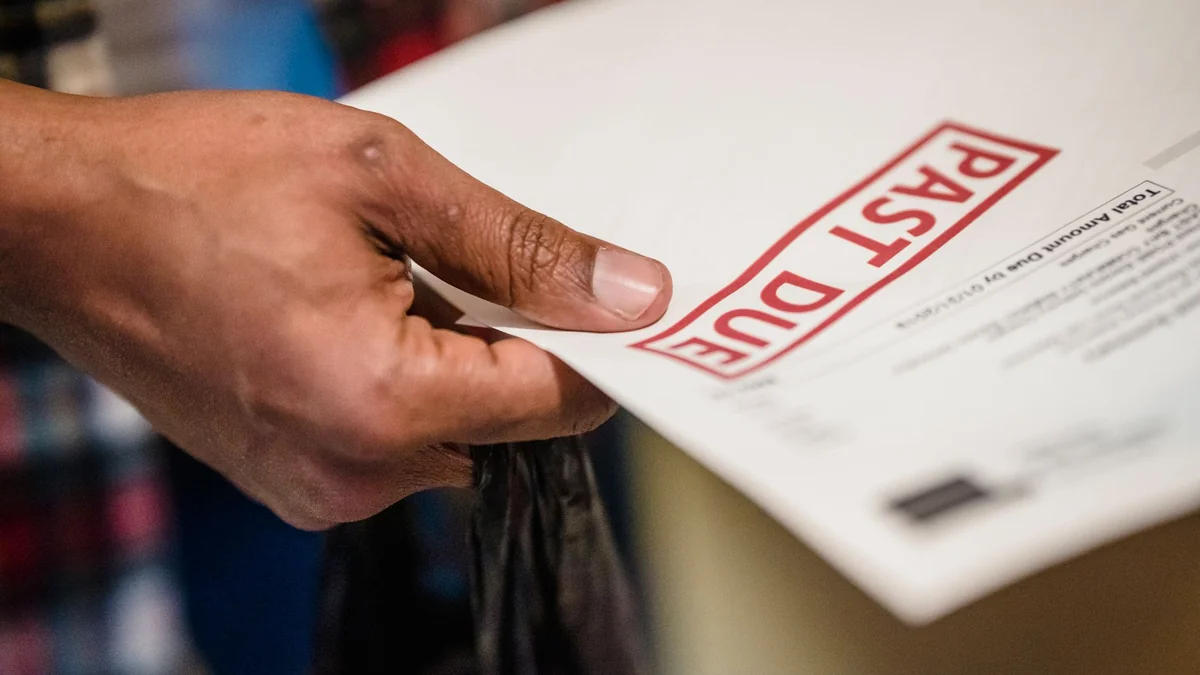
Being paid late is the most common cash problem in small business, and most of it is not customers refusing to pay. It is invoices sent to the wrong person, missing purchase order numbers, and nobody following up. A consistent process recovers more money than persistence does, and it directly improves cash flow forecasting.
Agree Terms Before You Start Work
Payment terms should be stated and accepted before the job begins, not printed on the invoice afterwards. Confirm in writing what the terms are, what triggers invoicing, and what happens if payment is late. Terms nobody agreed to are difficult to enforce and awkward to raise mid-relationship.
Check Who You Are Extending Credit To

Image source: pexels.com
Supplying on credit is lending, and it deserves the same caution. For a substantial new customer, look them up at Companies House, check their filing history, and consider a credit report. A customer who files late and has changed directors repeatedly is a different risk from one with a long clean record.
Invoice Immediately and Correctly
Delay in invoicing is delay in payment, and it is entirely self-inflicted. Send the invoice the day work completes. Make sure it carries everything the customer needs to process it: the correct legal entity, the right contact, a purchase order number where required, a clear description, and the due date stated as a date rather than as terms.
A surprising proportion of late payment is an invoice sitting unprocessed because it was missing a reference. That is cheap to fix and it costs nothing to get right.
Find Out How the Customer Actually Pays
Larger organisations run payment runs on fixed dates and require invoices to be submitted through a portal or approved by a named person. Missing a payment run by one day can mean waiting a month. Ask how the process works at the start rather than discovering it when payment is overdue.
Follow Up Before the Due Date
A short, friendly message a few days before payment is due confirms the invoice was received and is approved for payment. This single step catches most administrative problems while there is still time to fix them, and it is not chasing — nothing is late yet.
Have a Consistent Escalation Sequence
Decide in advance what happens at seven, fourteen and thirty days overdue, and follow it every time regardless of how you feel about the customer. Inconsistency teaches people that your terms are negotiable. A predictable sequence, applied without drama, is more effective than occasional forceful chasing.
Make Paying You Easy
Every point of friction delays payment. Accept the payment methods your customers actually use, put your bank details on the invoice, include a payment link where appropriate, and make sure the invoice reaches the person who processes it rather than the person who ordered the work. This is unglamorous and it works.
Watch Customer Concentration
If one customer represents a large share of your turnover, their payment behaviour effectively becomes your cash flow. That is a risk worth tracking explicitly, and it is also something lenders and invoice finance providers assess when deciding what to offer you.
Recognise When a Debt Has Gone Bad
Not everything gets paid. Continuing to pursue a debt long past the point of realistic recovery consumes time worth more than the amount owed. Decide at what point you write it off, take the accounting treatment properly, and put the effort into customers who do pay.
Use the Software You Already Have
Most accounting packages will issue invoices on a schedule, send automatic reminders before and after the due date, and show you an aged debtor list at a glance. Businesses frequently pay for these features and chase manually anyway. Turning the reminders on is the single cheapest improvement available.
Keep It Polite and Documented
Assume an administrative explanation until proven otherwise, because that is usually what it is. Keep a written record of every chase, since it matters if the matter escalates and it prevents the conversation being about who said what.
Know What You Can Do About Persistent Non-Payment
UK businesses generally have a statutory right to claim interest and reasonable costs on late commercial payments. Many suppliers never mention it, and simply making clear that you are aware of it changes behaviour with some customers. Formal recovery is available but slow and worth reserving for genuine refusals.
Track the Right Number

Image source: pexels.com
Average debtor days is the measure that tells you whether any of this is working. Calculate it monthly and watch the direction rather than the absolute figure. A number that is falling means the process is having an effect; one that keeps rising means something needs to change regardless of how busy the chasing feels.
Stop Supplying Before the Debt Grows
The hardest decision is pausing work for a customer who owes you money, and delaying it is how a manageable debt becomes an unmanageable one. Set an internal limit for how much any customer can owe before new work stops, and apply it.
Assign It to Someone Specifically
In small businesses credit control is everyone’s job and therefore nobody’s. Name the person responsible, give them a weekly slot for it, and make the aged debtor list something that gets reviewed rather than something that exists. The task loses to more urgent work every single time unless it is scheduled.
Separate the Relationship From the Process
Owners avoid chasing because they fear damaging a relationship, particularly with customers they like. Having a documented, consistent process helps, because it is the business following its terms rather than you personally asking a friend for money. Where possible, have someone other than the person delivering the work do the chasing.
Reduce the Need for Credit Control Entirely
Selling the Invoice Instead of Waiting
Where slow payment is structural rather than occasional, some firms finance the invoice itself rather than chase it. The distinction between invoice finance and factoring matters here, because one leaves you collecting and the other hands the relationship to a third party.
Invoice Redirection Fraud
Credit control is also where a common scam lands: an email claiming a supplier has changed bank details. Verifying any change by phone, on a number you already hold, is the defence. It is one of several patterns covered in recognising business fraud and scams.
Deposits, staged payments, payment on delivery, or direct debit for recurring work all remove the problem rather than managing it. For newer businesses without the leverage to demand these, improving payment timing is often a cheaper route to working capital than borrowing startup capital to bridge the gap.