How Robotic Surgery Is Changing Cancer Treatment in 2026
Learn how robotic surgery for cancer treatment is improving precision, recovery, and modern cancer care in 2026.

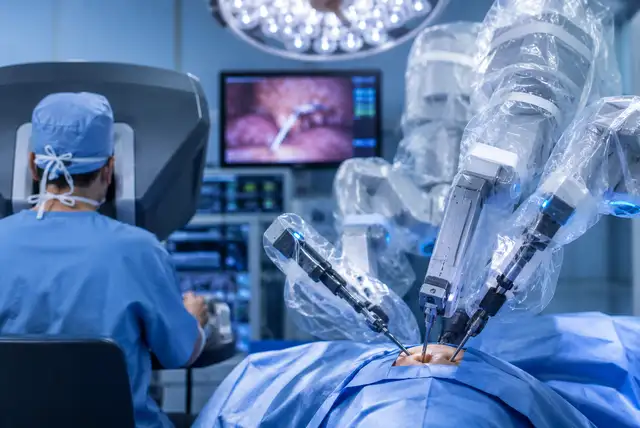
Cancer treatment is changing faster than ever. One of the biggest developments in healthcare is the rise of robotic surgery for cancer treatment. Hospitals around the world are increasingly using robotic systems to help surgeons perform complex procedures with greater precision and control.
For UK readers interested in healthcare and medical technology, robotic surgery is becoming an important part of modern medicine. In 2026, doctors are not only focused on removing tumors. They are also working to improve recovery, protect healthy tissue, and help patients return to everyday life sooner.
Today, many specialists consider robotic-assisted procedures among the most important modern cancer treatment methods because they focus on both treatment success and patient quality of life.
What Is Robotic Surgery for Cancer Treatment?

Robotic surgical technology used in modern cancer treatment
Image source: Unsplash.com
Robotic surgery is a type of robotic-assisted surgery where trained surgeons control robotic instruments through a special console. The robot does not operate independently. Every movement is guided directly by the surgeon.
According to MD Anderson Cancer Center, robotic systems allow surgeons to use highly magnified imaging and precise instrument control during complex procedures.
Modern robotic surgical systems often include high-definition 3D imaging and flexible tools that mimic natural wrist movement. These features help doctors perform difficult procedures with greater control and accuracy.
Why Minimally Invasive Cancer Surgery Is Growing
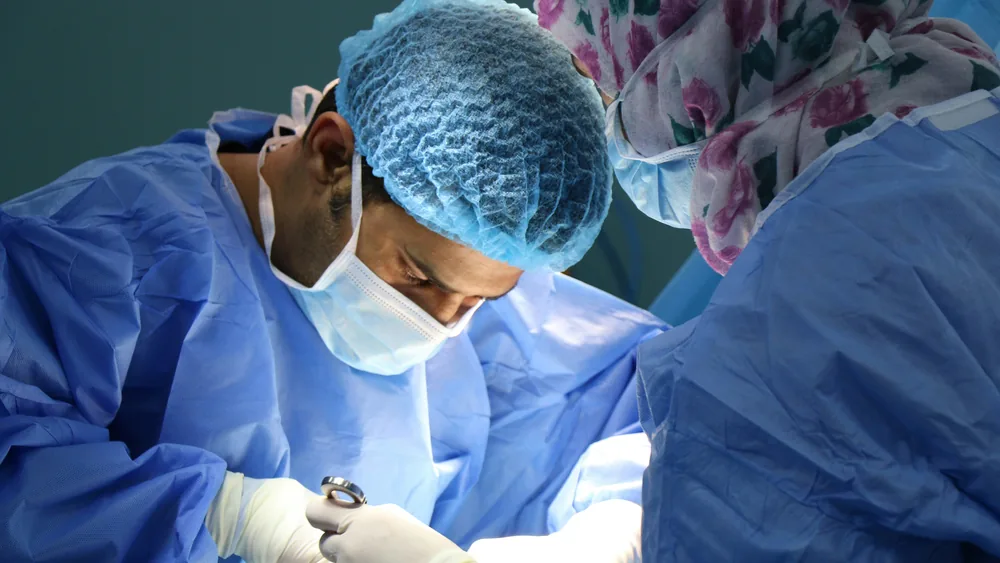
Robotic systems supporting minimally invasive procedures
Image source: Unsplash.com
Traditional surgery often requires larger cuts and longer recovery periods. By comparison, minimally invasive cancer surgery uses smaller incisions and advanced surgical tools.
According to UPMC Hillman Cancer Center, patients often experience several important benefits:
- Reduced blood loss
- Smaller scars
- Reduced pain after surgery
- Lower infection risk
- Shorter hospital stays
- Faster recovery times
These advantages are among the reasons why more patients are choosing minimally invasive approaches when possible.
Real-World Results and Statistics

Healthcare research and technology continue shaping modern cancer care
Image source: Unsplash.com
Modern cancer care increasingly measures more than tumor removal alone. Hospitals now focus on recovery speed, quality of life, and preserving healthy tissue.
Research published in PubMed reports that robotic systems provide enhanced visualization and greater dexterity than standard laparoscopic tools.
Studies suggest robotic-assisted procedures may reduce blood loss and shorten recovery periods compared with some traditional open surgical approaches.
This shift reflects a broader move toward precision surgery, where treatment aims to remove cancer while protecting surrounding nerves and healthy tissue.
How Precision Surgery Is Improving Cancer Care
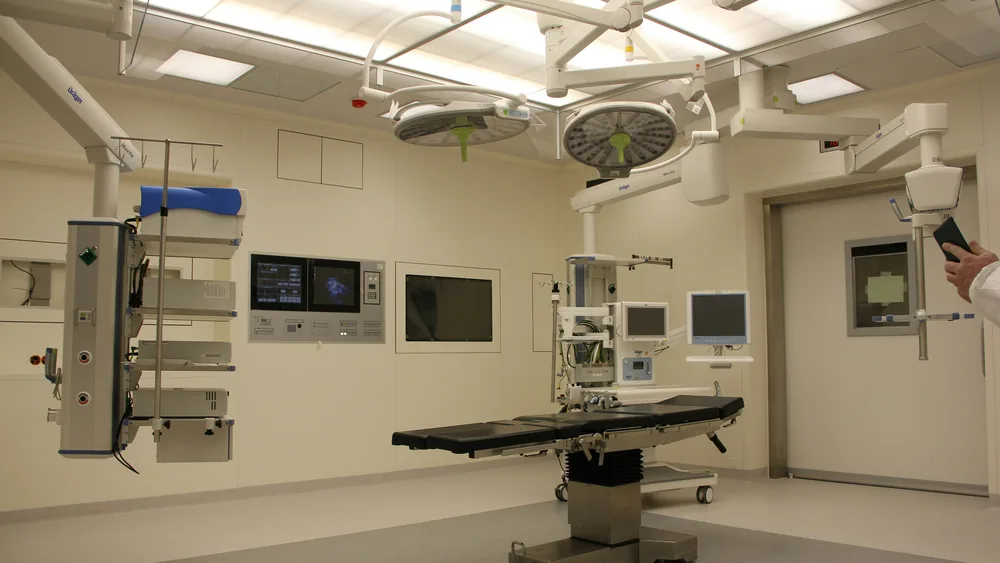
Precision technology helping surgeons during complex procedures
Image source: Unsplash.com
One major benefit of precision surgery is improved accuracy. Robotic systems can reduce natural hand tremors and translate surgeon movements into smaller and more controlled actions.
Enhanced visualization and flexible robotic instruments allow surgeons to work more carefully around nerves and healthy tissue.
Hospitals are increasingly exploring robotic-assisted systems to improve precision during difficult procedures. Technologies such as Da Vinci robotic surgery are often discussed as part of broader advances in minimally invasive approaches and cancer treatment technology.
This approach increasingly helps doctors focus on successful treatment while also improving long-term patient outcomes.
Which Types of Cancer Use Robotic-Assisted Surgery?

Doctors discussing robotic treatment options with patients
Image source: Unsplash.com
Doctors now use robotic systems across many areas of cancer treatment:
- Prostate cancer
- Lung cancer
- Kidney cancer
- Colon cancer
- Rectal cancer
- Gynecological cancers
- Pancreatic cancer
- Bladder cancer procedures
Advances in bladder cancer treatment technology continue improving surgical precision and reducing complications.
Robotic Healthcare Innovation in 2026

Robotic healthcare innovation shaping future medical care
Image source: Unsplash.com
The next generation of robotic healthcare innovation goes beyond robotic machines alone.
Hospitals increasingly combine robotics with imaging systems, AI-assisted tools, and data-driven planning technology. These systems may help doctors identify tumors with greater accuracy before surgery begins.
Rapid advances in medical technology in surgery also show how healthcare innovation continues changing patient care.
Future surgical technology for cancer will likely become more personalized and more precise.
Important Limitations Patients Should Know

Doctors helping patients understand treatment decisions
Image source: Unsplash.com
Although robotic surgery offers many benefits, it may not be suitable for every patient.
- Cancer type affects eligibility
- Tumor location matters
- Past surgeries can create complications
- Some cases still require open surgery
- Surgeon experience remains extremely important
Technology alone does not guarantee success. Skilled medical teams continue playing a major role in treatment outcomes.
Patients increasingly research treatment affordability before making healthcare decisions. Similar discussions around healthcare costs can also be seen in areas like treatment financing options.
Final Thoughts

The future of robotic systems in cancer care
Image source: Unsplash.com
Modern cancer treatment methods increasingly focus on balancing successful treatment with patient quality of life.
Robotic surgery is changing cancer care by improving precision, reducing recovery time, and supporting better patient outcomes. As technology continues advancing in 2026, robotic systems may become an even larger part of healthcare.
Robotic surgery is no longer viewed as a future concept. It is already becoming an important part of how cancer care is delivered today.