Angel Investors: Complete Guide to Early Startup Funding
Learn how angel investors fund startups in the UK. Understand how angel funding works, benefits, risks, and how to attract early-stage investors.

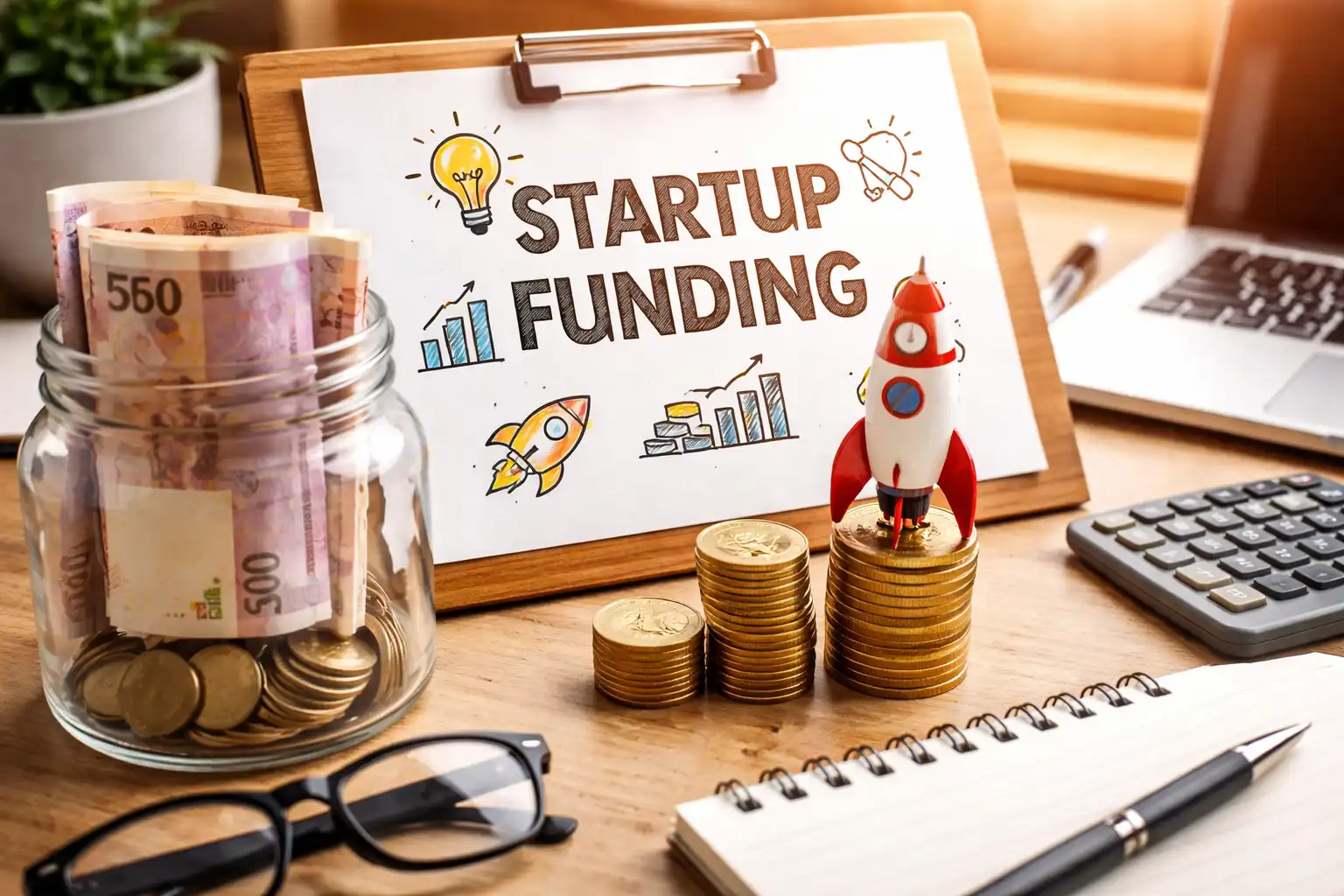
Angel investors are individuals who put their own money into early-stage companies, usually in exchange for equity. That one fact — it is their money, not somebody else’s — explains almost everything about how they behave, how quickly they decide, and what they will tolerate.
Why They Invest at All
Most angels are former founders or senior operators who have had some kind of financial event. Their motivations are mixed: returns matter, but so does staying involved in building things, and many enjoy the work more than the outcome. Understanding this helps you pitch — an angel is frequently buying involvement in something interesting as well as an asset.
When Angel Money Is the Right Stage

Image source: pexels.com
Angels typically invest at the point where there is too little evidence for an institutional fund: a product that partly works, a handful of early customers, or in some cases just a credible team and a defensible idea. This is the gap between what founders can fund themselves and what a fund will consider, and it is the gap angels exist to fill.
How UK Tax Schemes Shape the Market
British angel investing is heavily influenced by the government’s venture capital schemes, which give qualifying investors relief on investments in eligible companies. This materially reduces an angel’s downside, and it is a significant part of why early-stage money is available at all in the UK.
The practical consequence for founders is that eligibility becomes an early question rather than a technical afterthought. Companies can seek advance assurance from HMRC that a proposed share issue is likely to qualify, and many angels expect to see it before committing. Rules on company age, size and qualifying trades are revised periodically, so check current conditions on GOV.UK rather than relying on figures quoted elsewhere.
Finding Them
The UK Business Angels Association is the national trade body and lists angel networks and syndicates by region and sector. Approaching through a network is generally more productive than cold outreach, because the network has already filtered for stage and sector fit and its members expect to see pitches.
Beyond formal networks, most angel investment still happens through introductions — from other founders, from advisers, from people who have seen you work. Building those relationships before you need money is considerably easier than building them while raising.
Individuals Versus Syndicates
Angels frequently invest together, with one experienced investor leading and others following on the same terms. For founders this is efficient: one negotiation, one set of documents, and often a single line on the share register through a nominee arrangement rather than a dozen separate shareholders.
The trade-off is a less direct relationship with the individuals behind the syndicate. For most early companies the administrative simplicity is worth it, particularly compared with managing many small holdings for years afterwards.
How Much They Invest and on What Terms
Individual cheques vary enormously, and a syndicate can collectively write something approaching an institutional round. Deals are structured either as priced equity or through convertible instruments that defer the valuation question to the next round. Convertibles are faster and cheaper but create deferred complexity, so model how they convert before agreeing to several with different terms.
What Good Angels Actually Provide
The money is often the least valuable part. A well-chosen angel provides introductions to customers, candidates and later investors, plus the judgement of someone who has faced the same problems. A poorly chosen one provides opinions without context and consumes time you do not have.
Take references before accepting money, particularly from founders whose companies struggled. How an investor behaves when things go badly is the only version of their behaviour that really matters, and it is invisible while everything is going well.
The Risks They Are Accepting
Most startups fail, and angel investing should only ever involve money the investor can lose entirely without it affecting their circumstances. This is worth understanding from the founder’s side too. Taking savings that somebody actually needs creates a relationship that becomes corrosive under pressure, and declining that money is both reasonable and sensible.
How They Differ From Institutional Funds
Compared with venture capital, angels decide alone, move faster, invest earlier and smaller, and can be satisfied with more modest outcomes. Funds bring deeper capital, follow-on capacity and a structured relationship, but they answer to their own investors and need results large enough to matter to a whole fund. For most companies these are sequential stages rather than competing options.
What They Look For
At this stage there is rarely enough data to analyse, so assessment falls heavily on the founders — specifically, why this group is unusually well placed to solve this problem. Direct experience of it, unusual access to customers, or technical depth that is hard to replicate all count. Generic competence is assumed rather than persuasive.
Beyond the team, angels look for evidence that somebody wants the product. That need not mean substantial revenue: retention, repeat use, or customers who keep paying after a trial all demonstrate demand. Sign-ups without engagement demonstrate marketing.
Preparing Before You Approach Anyone
Have the company’s affairs in order first. Statutory filings current, share ownership documented, intellectual property assigned to the company rather than sitting with founders or contractors personally. These are the things that stall deals after terms are agreed, and they are all fixable cheaply beforehand.
Know your own numbers well enough to answer without checking — what you spend monthly, how long the money lasts, what a customer costs to acquire and what they are worth. Imperfect figures are expected; unfamiliarity with them is not.
Agree Terms Once, Not Repeatedly

Image source: pexels.com
Rounds stall when nobody sets the terms. A lead investor agrees the valuation and the paperwork, and everyone else comes in on the same basis. Negotiating separately with each individual produces inconsistent agreements that an incoming investor has to unpick at the next raise, usually at the worst possible moment.
After the Investment
Send a short update regularly — progress, key numbers, and where you need help. Angels who are kept informed follow on more often, introduce more readily, and are more patient in a bad quarter. Silence is the most common complaint angels have about founders, and it is entirely avoidable.
Final Thoughts
For many startups, angel investors represent the bridge between an early idea and a scalable business.
They provide not only funding but also mentorship, credibility, and access to valuable networks.
However, founders should approach angel investment thoughtfully. Raising money is not just about securing capital — it’s about forming long-term partnerships that influence the direction of the company.
As one seasoned investor once joked at a London startup event, “Investing in startups is easy. Picking the right founders is the tricky part.”
The same is true for founders choosing their investors.
Finding the right angel partner can make the early journey far less lonely — and far more successful.
FAQs
1. What is an angel investor?An angel investor is an individual who invests personal funds into early-stage startups in exchange for equity ownership.
2. How much do angel investors typically invest?Angel investments in the UK typically range from £10,000 to £250,000, although syndicated rounds can exceed £1 million.
3. Do angel investors take control of startups?Most angel investors take minority stakes and do not control the company. However, they may provide advice or take advisory roles.
4. Are angel investors better than venture capital?Angel investors are generally more suitable for early-stage startups, while venture capital firms typically invest at later growth stages.
5. How do startups attract angel investors?Startups attract angel investors through strong pitches, early traction, clear market opportunities, and experienced founding teams.
Author Bio
Rajiv Gupta has more than 10 years of experience in digital media and online publishing. He runs Union Post, which covers UK business, finance and entertainment.
Disclaimer
This article is for informational purposes only and does not constitute financial, legal, or investment advice. Founders should consult qualified financial advisors or legal professionals before making funding decisions.
More Angel Investment Guides
- How Angel Investors Evaluate Startup Ideas: A Complete Beginner’s Guide
- How to Find Angel Investors for Your Startup (Step-by-Step Guide)
- Angel Investment Rounds and Early Stage Funding
- Common Mistakes Startups Make with Angel Investors (And How to Avoid Them)
- Angel Investors vs Venture Capital: Key Differences
- Angel Investor Funding Process Explained