Porta Potty Business: Complete Guide to Start, Cost, and Profit
Learn how to start a porta potty business in the UK. Discover startup costs, equipment, profits, and simple steps to build a successful rental business.

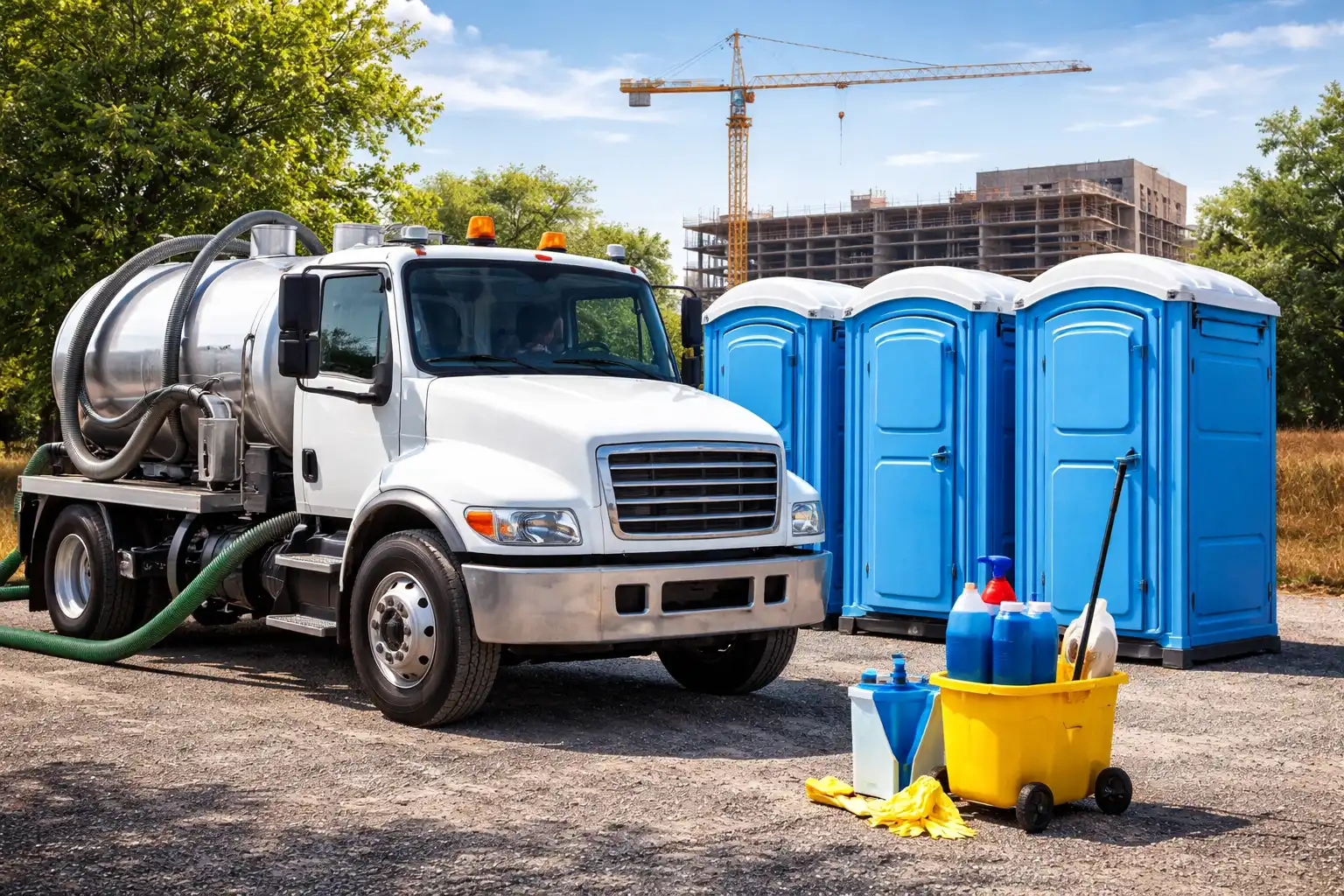
Portable toilet hire is an unglamorous business with genuinely attractive economics: units are bought once and hired out repeatedly, which produces a recurring revenue stream rather than one-off sales. It also carries regulatory obligations that most guides skip entirely, and those are the part that will stop you trading if you get them wrong.
How the Business Actually Makes Money
Revenue comes from hire charges, usually weekly or monthly for construction sites and daily for events, plus servicing. The unit is the asset: once bought, it earns for years with maintenance. Utilisation is therefore the number that matters most — a unit sitting in your yard earns nothing while still costing you storage and capital.
This makes it a genuine rental model rather than a service business, and it shares the economics of other equipment hire. If you are weighing it against alternatives, it belongs in the same category as other small rental business ideas rather than alongside service trades.
Waste Carrier Registration Is Not Optional
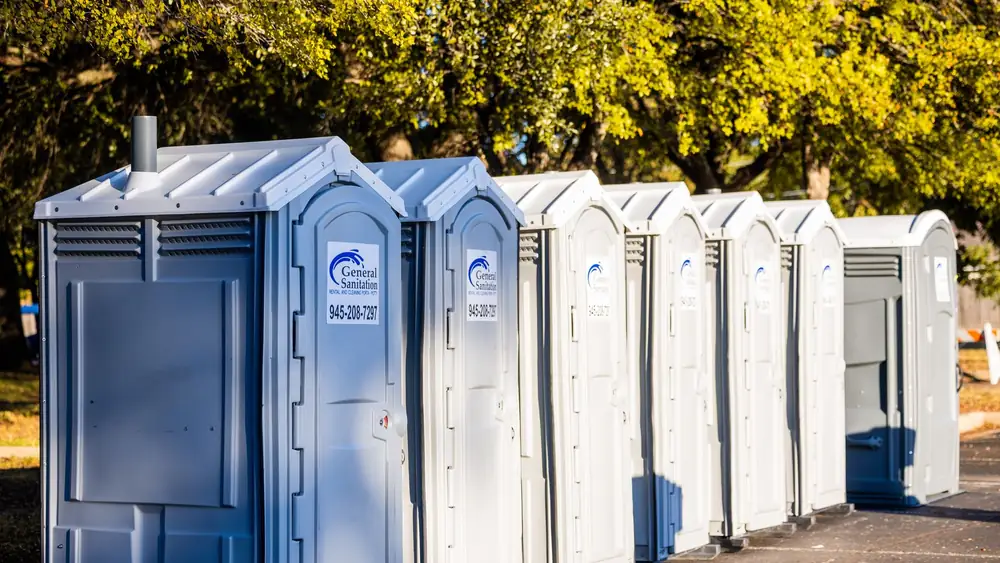
Image source: pexels.com
This is the requirement people miss. In the UK, businesses that transport waste as part of their operations must register as a waste carrier with the relevant environmental regulator — the Environment Agency in England, SEPA in Scotland, Natural Resources Wales, or the Northern Ireland Environment Agency. Servicing portable toilets means transporting waste, so this applies to you.
You also need a lawful route for disposal. Waste must go to a facility permitted to receive it, and you must keep records of what was transferred where. Arranging a disposal agreement before buying units is sensible, because without one the business cannot operate at all.
Startup Costs
The two significant costs are units and a vehicle. Units can be bought new or used, and used stock in sound condition is a reasonable way to start. The vehicle is the larger problem: servicing requires a tank and pump, either as a purpose-built unit or a mounted system, and this is where most of the initial capital goes.
Financing the vehicle separately from the units is common, and comparing box truck financing for startups against other startup capital options is worth doing before committing, since the right structure depends on whether you are buying new or used and how quickly you expect utilisation to build.
Types of Unit and What They Are For
Standard single units cover most construction and general event work. Beyond those, accessible units for wheelchair users are frequently a contractual or legal requirement on public events and larger sites rather than an optional upgrade. Luxury or trailer-based units serve weddings and corporate events at considerably higher day rates.
Urinal blocks are worth considering for large events because they handle volume cheaply. Starting with standard units and adding specialist stock as demand proves itself is the lower-risk approach — specialist units cost more and sit idle more often.
Servicing and Turnaround
Servicing means emptying the waste tank, cleaning, restocking consumables and checking for damage. How long this takes per unit, and how many you can reach in a day, determines how many units one vehicle and one operator can support. This calculation is the core of the business and it is worth doing carefully before buying anything.
Event work compresses this into a short, intense window: deliver, service during, collect immediately after. Construction is steadier, usually weekly. The two require different scheduling habits and mixing them badly is a common way to fail on service quality.
Winning the First Customers
Construction is a relationship business. Site managers and contractors reuse suppliers they trust, so the first contracts are the hardest and the rest follow from reliability. Being reachable, turning up when promised, and handling an urgent extra visit without argument matters more than pricing slightly below competitors.
Insurance and Compliance
You will need public liability cover, motor insurance appropriate to commercial use, and employers’ liability once you take on staff. Site work frequently requires evidence of insurance and method statements before you are allowed on. Health and safety obligations apply to your own staff handling waste, including appropriate protective equipment and training.
Who the Customers Are
Construction sites provide the steadiest income — long hires, predictable servicing, and contracts that renew. Events pay better per day but are concentrated into a season and require far more units at once. Agriculture, film production and civil works fall in between. Most established operators run a mix, using construction to cover fixed costs and events for margin.
Seasonality and Cash Flow
Event demand peaks in summer and largely disappears in winter, while construction continues year round but slows in severe weather. Buying enough units to meet peak event demand leaves them idle for months. Many operators handle this by hiring in extra units from other firms at peak rather than owning for the maximum.
Where It Works Best
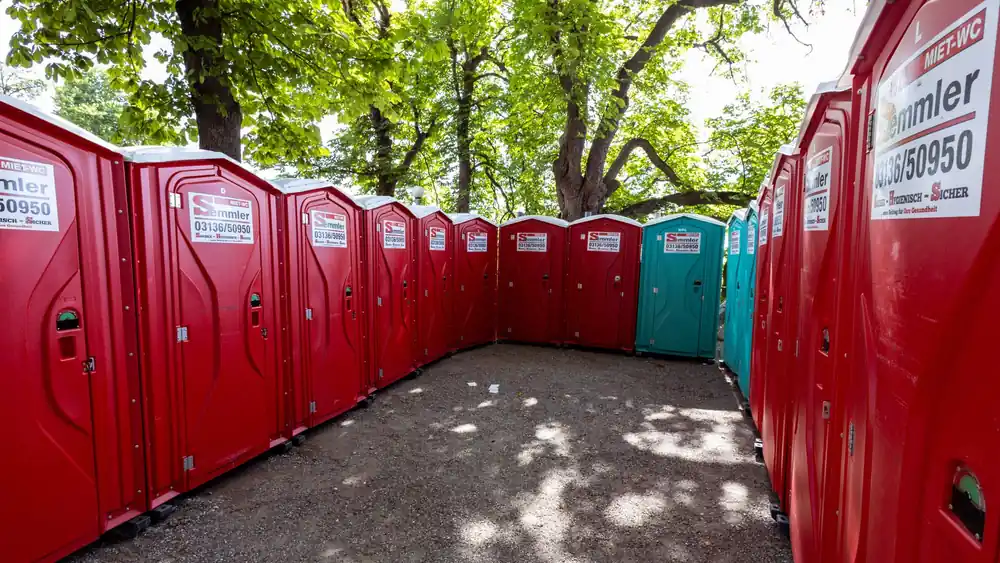
Image source: pexels.com
Geography matters more than in most businesses, because servicing means driving to every unit regularly. A dense operating radius is far more profitable than a scattered one, which is why this appears on lists of small business ideas for small towns — a defined local area with construction activity and limited competition suits the model well.
Pricing and Contracts
Price the hire and the servicing separately so both are visible, and be specific about how often units are serviced and what happens if a site needs an extra visit. Written terms covering damage, access and payment save arguments later. For construction contracts, agree what happens when a project is delayed — units sitting on a paused site still cost you.
Whether It Suits You
It rewards operational discipline rather than creativity: reliable servicing, sensible routing and good records. It is capital-intensive to start and physically unpleasant work, which is exactly why competition is thinner than in easier trades. It is not a part-time venture, so it sits poorly among small business ideas for students and better as a committed full-time business.
Conclusion
The porta potty business is a practical and profitable opportunity for those willing to manage operations and provide consistent service. With steady demand, recurring income, and the ability to scale, it offers long-term stability. Even beginners or younger entrepreneurs exploring small business ideas for students can consider it as a future opportunity. With proper planning and execution, this business can generate reliable income for years.
FAQs
1. How much does it cost to start a porta potty business?
The startup cost usually ranges from £40,000 to £150,000 depending on the size of your business. Costs include portable toilets, a service truck, licenses, and storage space. Starting small can reduce your initial investment.
2. Is a porta potty business profitable?
Yes, it can be very profitable. You earn recurring income from rentals, especially with long-term contracts. Profit increases as you add more units and manage costs like fuel and maintenance.
3. What equipment is needed for a porta potty business?
You need portable toilets, a vacuum pump truck, water tanks, cleaning supplies, and safety gear. Good equipment helps you provide better service and reduce maintenance issues.
4. Who are the main customers for a porta potty business?
Your main customers include construction companies, event organizers, wedding planners, and local councils. These customers often need toilets for weeks or months, which creates steady income.
5. Do I need a license to run a porta potty business in the UK?
Yes, you need proper licenses, especially for waste disposal and environmental compliance. This is important to run your business legally and work with large clients.
6. Can I start a luxury porta potty business?
Yes, you can start a luxury porta potty business for high-end events like weddings and corporate functions. These units cost more but allow you to charge higher prices and earn better profits.