Madame Morrible: Powers, Role in Wicked and Her Fate
The Shiz sorceress who trains Elphaba, controls the weather, and then writes the propaganda that turns her into the Wicked Witch of the West.

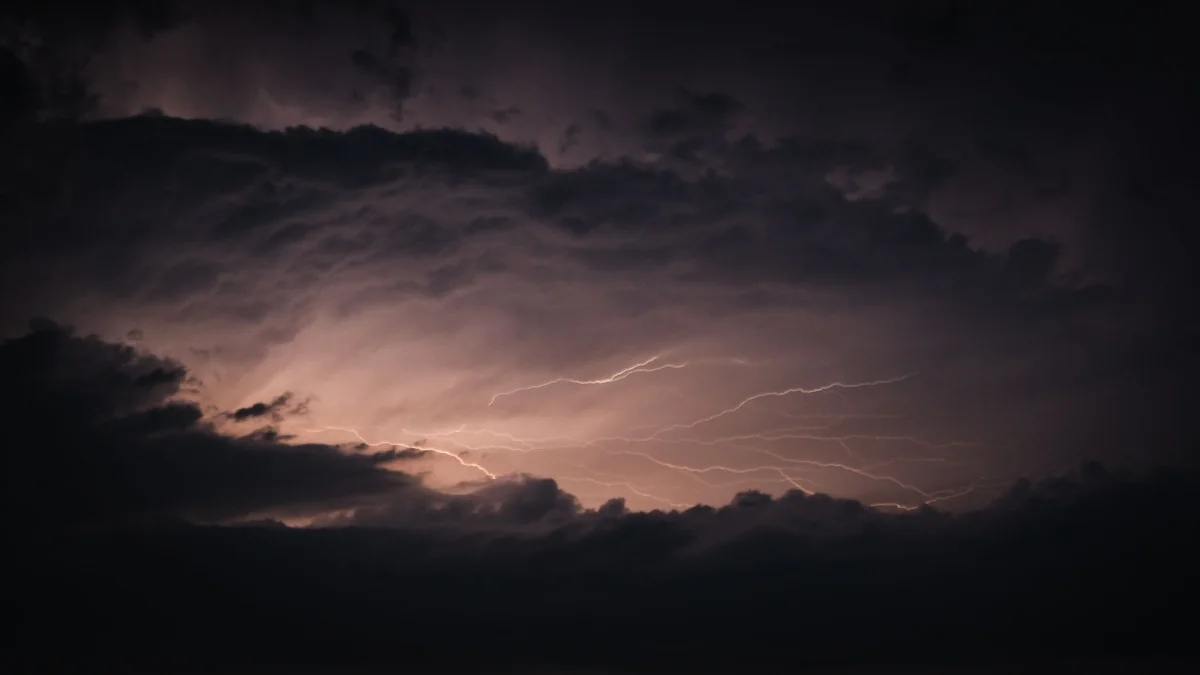
Madame Morrible is the headmistress who spots Elphaba’s magic, trains it, and then spends the rest of Wicked turning her into a monster in the public imagination. She is a sorceress specialising in weather, a recruiter of spies for the Wizard, and — the part most summaries skip — the person who actually invents the phrase “Wicked Witch of the West”.
She is also three slightly different characters depending on whether you have read the novel, seen the stage show, or watched the films. Here is who she is in each, what she can actually do, and why Michelle Yeoh argues she is the real villain of the story.
Who is Madame Morrible?
Her full name is Madame Muriel Morrible. Gregory Maguire created her for his 1995 novel Wicked: The Life and Times of the Wicked Witch of the West, the book that reimagined the Wicked Witch as a misunderstood activist rather than a villain.
Morrible runs the sorcery teaching at Shiz University, where Elphaba and Glinda meet. On paper she is an educator. In practice she is a senior figure in the Wizard’s regime, using the university as a recruiting ground — identifying gifted young women and steering them into service as soldiers and spies.
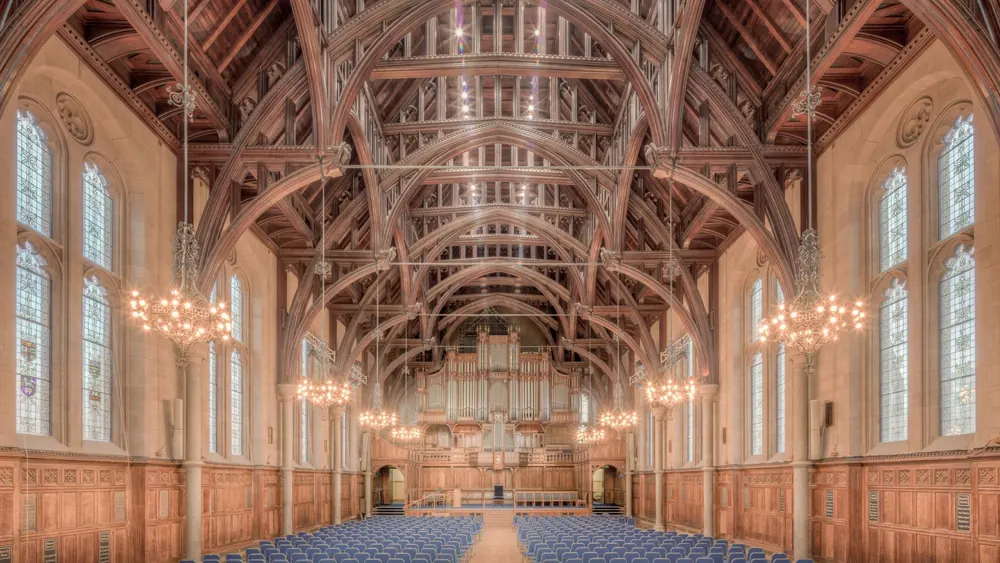
Image source: pexels.com
Novel, musical, film: the three versions compared
Most confusion about Morrible comes from people having met her in different places. Her job title, her crimes and even how she dies are not the same across the three.
| Novel (1995) | Stage musical | Films (2024 / 2025) | |
|---|---|---|---|
| Her post | Headmistress of Crage Hall, Shiz | Headmistress of Shiz | Dean of Sorcery Studies |
| Runs the school? | Yes | Yes | No — Miss Coddle is headmistress |
| Signature crime | Orders Doctor Dillamond’s murder | Creates the cyclone that kills Nessarose | Follows the musical |
| Her fate | Elphaba comes to kill her and finds her already dead | Glinda has her arrested and imprisoned | Follows the musical |
Two differences are worth dwelling on. In the novel she is described as “fish faced” and does her killing at arm’s length, through a mechanical servant called Grommetik. And Elphaba never gets her revenge — she arrives to find Morrible has died on her own. The musical gives the audience the ending the novel refuses: Glinda, finally seeing clearly, orders the guards to take her away.
What are Madame Morrible’s powers?
She is a genuine sorceress, not a fraud like the Wizard. Four abilities show up across the versions:
- Weather control — her speciality, and her weapon. In the musical she conjures the cyclone that kills Nessarose.
- Binding spells that immobilise a person where they stand.
- Memory and speech suppression — magic that stops people being able to discuss particular subjects at all.
- Talent identification — she recognises what Elphaba is the moment she sees her lose control.
That third one deserves more attention than it gets. A spell that prevents people from talking about something is not a duelling power; it is a censorship power. It tells you what kind of operator she is long before the plot spells it out.
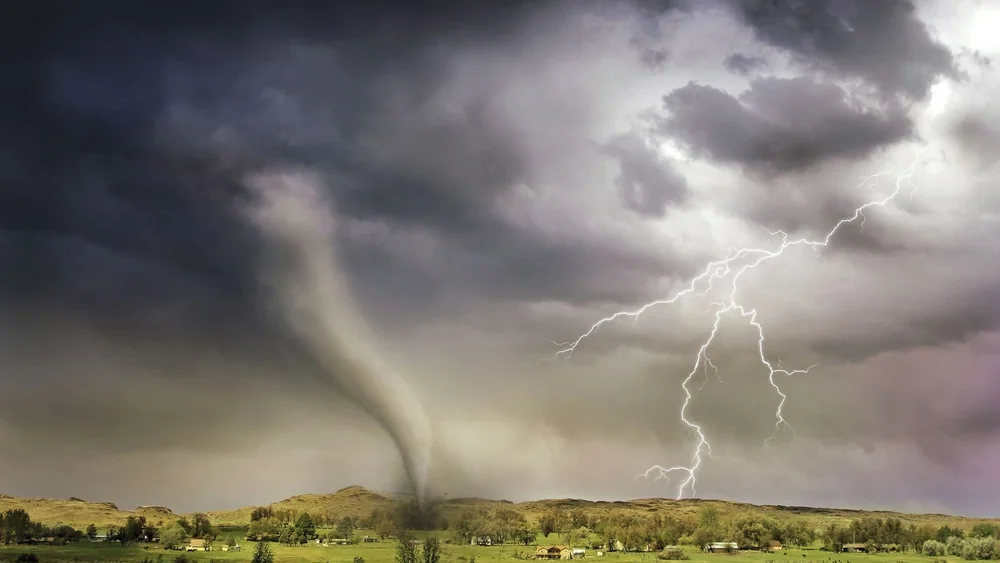
Image source: pexels.com
What she does to Elphaba
Morrible’s treatment of Elphaba runs in three stages, and each one looks like kindness at the time.
- She discovers her. Elphaba arrives at Shiz as an embarrassment — green, awkward, there only to chaperone her sister. Morrible sees the magic and takes her on personally.
- She sets the trap. The audience with the Wizard is sold to Elphaba as the reward for years of work. It is a recruitment interview. When Elphaba refuses, the trap closes: Morrible has already tricked her into enchanting the Wizard’s winged monkeys.
- She rewrites her. Once Elphaba runs, Morrible does the thing that actually destroys her — she starts the rumours. The green skin, the flying, the danger to children. She builds the Wicked Witch.
The real argument: Morrible invents the Wicked Witch
This is the part worth understanding, because it is what makes her more interesting than a wicked headmistress.
Morrible is not the Wizard’s servant. She is his accomplice — a senior bureaucrat inside an oppressive regime, exercising power through what one analysis nicely calls “mundane policies and paperwork” rather than through spectacle. Her method is quiet: praise, backhanded compliments, half-promises, vague encouragement. She rarely orders anything. She arranges things so that people choose what she wanted.
And her masterpiece is a piece of public relations. She manufactures the contrast the whole of Oz then lives inside: Glinda the Good on one side, the Wicked Witch of the West on the other. Neither label is a description. Both are constructions, and she builds them both.
By the time the audience meets the “Wicked Witch” in The Wizard of Oz, they are not meeting a person. They are meeting Madame Morrible’s press campaign, sixty years on.
That is why she works as a villain in a way the Wizard does not. He is a frightened old fraud with a microphone. She is the one who knows exactly how the story will be told, and tells it.
Image source: pexels.com
Michelle Yeoh’s reading of the character
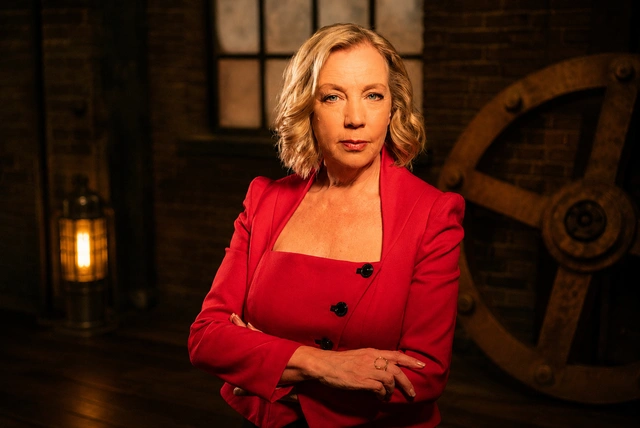
Michelle Yeoh plays Morrible in Wicked (2024) and Wicked: For Good (2025). She nearly turned the part down — the singing, she has said, terrified her.
Her reading of the character is blunt: Morrible, not Elphaba, is the real Wicked Witch. She describes the arc as mentor turning into manipulator, and points out that Morrible manipulates not just Elphaba and Glinda but the Wizard as well.
She also makes a claim that reframes the whole of Oz if you accept it: the only two characters with genuine magical ability are Elphaba and Morrible. Not Glinda, whose gift is charisma. And emphatically not the Wizard, who has none at all. On that reading, the two most powerful people in the country spend the story on opposite sides of a lie that one of them wrote.
Her joke about the character became a small internet event: “Madam Morrible, MM, flip it around, WW, Wicked Witch.” Google added it as an Easter egg in 2025.
Director Jon M. Chu asked her to scale the performance down from stage size — on camera, he told her, the face does the work that a gesture has to do in a theatre.
Her costume tells you what she is before the plot does
The films hide her nature in plain sight, in the wardrobe. Costume designer Paul Tazewell put it as a question of what fabric can say: “How simple fabric can tell us who is a hero and who is wicked.”
- Lightning-strike embroidery on her robes in For Good, and miniature cyclones stitched into another dress — her weather powers, worn openly, before she uses them.
- Hair like cloud. Wig-maker Samuel James described the brief as finding “the whitest hair to emulate clouds”.
- Storms in the make-up. Frances Hannon worked swirling cloud and tornado patterns into the design.
- A colour arc. Gold and blue at Shiz, where she is merely an authority figure. Purple as Glinda’s world starts to corrupt. Green in For Good — greed, and the Emerald City.
Image source: pexels.com
Who has played Madame Morrible?
Carole Shelley originated the role on Broadway. Since then the part has been a magnet for veteran character actresses, among them Rue McClanahan, Carol Kane, Sheryl Lee Ralph, Jayne Houdyshell, Miriam Margolyes, Patty Duke and Alexandra Billings.
On screen, Michelle Yeoh plays her in both films.
Image source: pexels.com
Frequently asked questions
Is Madame Morrible the real villain of Wicked?
There is a strong case, and Michelle Yeoh makes it herself. The Wizard is a fraud with no magic; Morrible has real power, a plan, and the ability to decide how history records everyone else. She creates the Wicked Witch as a piece of propaganda.
What are Madame Morrible’s powers?
Weather manipulation above all — she raises the cyclone that kills Nessarose. She also uses binding spells, and magic that suppresses memory and stops people discussing certain topics.
What happens to Madame Morrible at the end?
It depends on the version. In the stage musical, Glinda has her arrested and imprisoned. In Gregory Maguire’s novel she is already dead by the time Elphaba arrives to kill her.
Who plays Madame Morrible in the Wicked films?
Michelle Yeoh, in both Wicked (2024) and Wicked: For Good (2025).
Is Madame Morrible in The Wizard of Oz?
No. She is Gregory Maguire’s invention, created for the 1995 novel. She does not appear in L. Frank Baum’s original book or the 1939 film — though the reputation she manufactures is the reason the Witch in those stories is remembered the way she is.
Why does Morrible pick Elphaba?
Ambition. Elphaba’s raw power is the most valuable thing at Shiz, and controlling it — or delivering it to the Wizard — is Morrible’s route upward. The mentoring is real; the motive behind it is not.
The short version
Madame Muriel Morrible teaches sorcery at Shiz, controls the weather, and recruits for a dictatorship. She spots Elphaba, trains her, traps her, and then — when that fails — writes the story that turns her into a monster.
The Wicked Witch of the West is not something Elphaba becomes. It is something Madame Morrible makes up.