How to Make a Water Elevator in Minecraft (Up and Down)
One block of soul sand, a shaft of source water, and no redstone at all. The full build for up and down, plus the six reasons a water elevator stops working.


A water elevator is the cheapest vertical transport in Minecraft. No redstone, no pistons, no command blocks — one block of soul sand, a shaft full of water, and you travel from bedrock to the build limit while breathing normally the whole way.
It is also the build people give up on most often, because there is exactly one rule that decides whether it works, and almost nothing on screen tells you when you have broken it. This guide covers the build, the rule, and every reason a finished-looking shaft refuses to lift you.
What a water elevator actually is
Since the 1.13 Aquatic update, two blocks change how water behaves when they sit underneath it:
- Soul sand under water sends a column of bubbles upward. Anything in that column rides up — you, mobs, items, boats.
- A magma block does the opposite: it drags the column downward.
That upward column is what makes the whole thing work as transport. Crucially, an upward bubble column is breathable — your air meter does not move while you are riding it. You are not swimming up a flooded shaft holding your breath; you are standing in a lift made of bubbles.
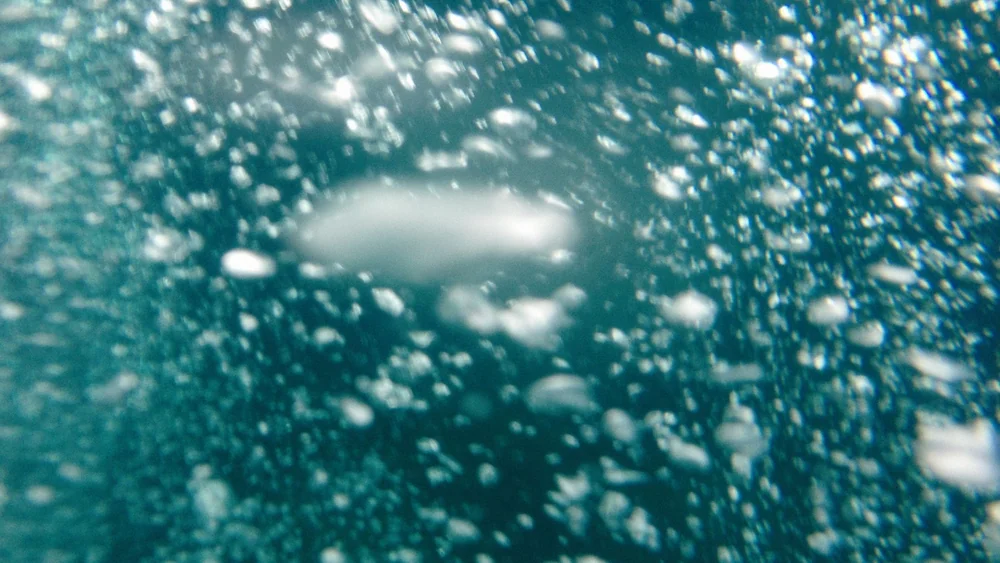
Image source: pexels.com
What you need, and how much
Gather before you dig. A shaft is measured in blocks of height, and the wall and kelp counts scale directly with it.
| Shaft height | Wall blocks | Kelp | Soul sand | Water buckets |
|---|---|---|---|---|
| 10 blocks | 40+ | 10 | 1 | 1–2 |
| 30 blocks | 120+ | 30 | 1 | 1–2 |
| 64 blocks | 256+ | 64 | 1 | 1–2 |
You also want a handful of signs, doors, trapdoors or glass panes for the entrance, and one throwaway block for the bottom of the shaft while you build.
Where to get soul sand — and the block that looks identical but does nothing
Soul sand comes from the Nether: soul sand valleys have it in vast quantities, and it turns up across the Nether wastes.
Bring back soul sand, not soul soil. They generate in the same biome, they are the same colour, and only one of them makes bubbles. Soul soil produces nothing underwater. This single mix-up is responsible for a large share of “my elevator doesn’t work” posts, and you only find out after the Nether trip is over.
Image source: pexels.com
The one rule: every block must be source water
Read this bit twice, because it is the whole build.
Soul sand only makes a bubble column through source water. Flowing water stops it dead — and as the Minecraft Wiki puts it, “bubbles don’t flow past a gap”.
Water that has poured down from above is flowing water, not source water. It looks identical. Tip one bucket in at the top of a 30-block shaft and you will have one source block and twenty-nine flowing ones, and a soul sand block at the bottom doing absolutely nothing.
The kelp trick
Kelp has a useful quirk: it converts the flowing water it grows through into source water, and the water stays converted after the kelp is gone. That turns an unsolvable bucket problem into a one-minute job.
- Put a temporary solid block at the very bottom of the shaft.
- Pour one bucket of water in from the top and let it fall.
- Plant kelp on the temporary block and stack it all the way to the top.
- Break the bottom piece of kelp — the whole stack pops, and every block it occupied stays as source water.
- Mine out the temporary block and put your soul sand there instead.
If you prefer, you can swim up placing kelp as you rise. Same result, and easier in a shaft you are building from the bottom.
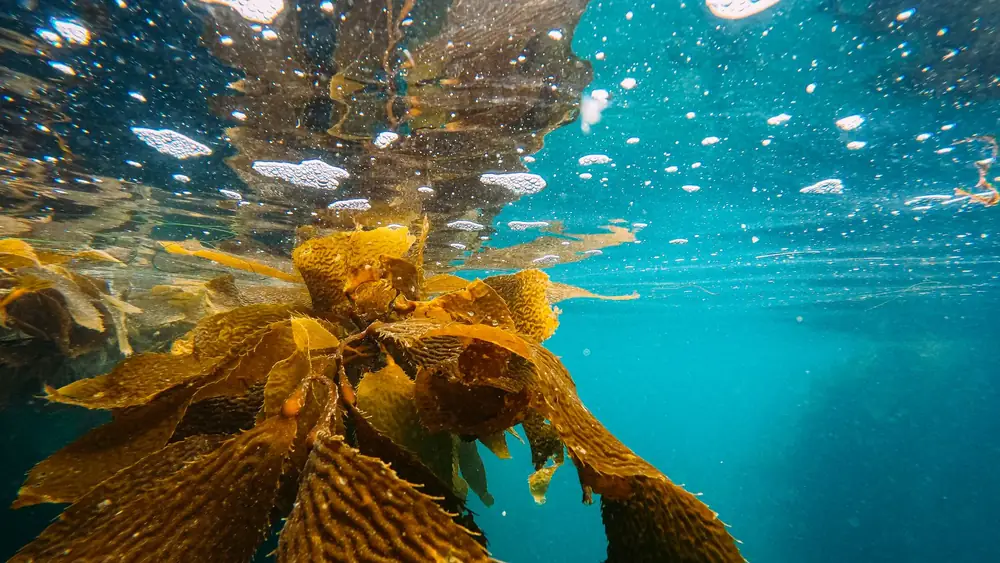
Image source: pexels.com
Building the up shaft, step by step
- Cut a 1×1 shaft to the height you want, walled on all four sides. Glass makes it easier to spot a broken column later.
- Open the entrance. At the bottom, replace the lower two blocks of two adjacent walls with fence or glass panes, set diagonally. That lets you step in without the water pouring out.
- Fill it with source water using the kelp method above.
- Place the soul sand at the very bottom, under the water.
- Build a landing at the top — a lip or a step out. Without one the column keeps pushing and you cannot get off.
Step in and you rise immediately, breathing the whole way.
Once the lift works, the room it opens onto is the next problem. We have ten styles in our guide to Minecraft bedroom ideas, and if you are still living in a dirt hut, Minecraft house ideas covers the building above it.
Image source: pexels.com
Going down: the magma shaft, and a reality check
Swap the soul sand for a magma block and the column reverses. Same shaft, same source-water rule.
Here is the part most guides leave out. A magma column moves you down at roughly 5 blocks per second. Free-falling tops out around 78 blocks per second. A magma shaft is therefore not a fast way down — it is fifteen times slower than simply falling.
What it is, is a safe and controlled way down: no fall damage, no water pool to aim at, and it works for items and mobs as well as you. If you only care about speed, a plain drop into a single water block at the bottom beats it every time. If you want to send chests of ore down a mineshaft without splattering yourself, the magma column wins. Holding sneak inside the column speeds the descent up somewhat.
One caution: a magma block damages anything standing on it, so design the bottom exit so you step off the block rather than onto it.

Image source: pexels.com
A two-way lift
Build two 1×1 shafts side by side. Soul sand at the bottom of one, magma block at the bottom of the other, both filled with source water. Label the entrances so you do not step into the wrong one on the way home.
Getting off at the right floor
On a tall multi-storey shaft, the usual complaint is not that the elevator fails — it is that it works too well and you shoot straight past the floor you wanted.
Two fixes, both from the official wiki:
- Make the gate at each landing taller, so there is more opening to steer into.
- Arrange dyed glass panes diagonally at each exit. The colour tells you which floor is coming as you rise, and the diagonal gives you something to catch.
When it doesn’t work: every cause, and the fix
Almost every failure is one of six things.
| What you see | Cause | Fix |
|---|---|---|
| No bubbles at all | Flowing water, or you used soul soil | Redo the column with kelp; check the block is soul sand |
| Bubbles rise then stop halfway | One non-source block at that exact height | Re-run kelp through that section — you only need to fix the broken part |
| Nothing happens at all, older world | Version predates 1.13 | Bubble columns did not exist before the Aquatic update. Update the world |
| Water leaks out of the entrance | Open side, or too weak a barrier | Seal with signs, doors or trapdoors |
| Column breaks in a random spot | A stray torch, dropped cobblestone or a block poking into the shaft | Swim the full height and clear anything that is not water |
| You fly past your floor | No brake at the exit | Taller gate, or diagonal glass panes |
If you take one diagnostic away: bubbles stopping at a particular height means the water at that height is not a source block. The failure is always local. Fix that section rather than tearing the shaft down.
Ignore the conduit method
A number of guides still circulating recommend building a “breathable” elevator around activated conduits. The Minecraft Wiki now states plainly that conduit elevators cannot be built in current versions of the game. If you find a tutorial built around one, it has not been checked in years. The soul sand column is already breathable, which is what the conduit was there to solve.
Mobs, items, boats and horses
- Items ride bubble columns happily — this is what makes them useful in sorting systems and mob farms.
- Mobs ride up as you do. In a plain waterfall, by contrast, mobs cannot rise but do ride down safely.
- Boats travel in bubble columns too.
- Horses need a wider build: a 1×2 shaft, with glow lichen, signs or ladders on the walls to keep the water in while you stay mounted.
Java or Bedrock?
Bubble columns behave the same in both editions, so every step above applies either way. Two edition-specific notes worth knowing:
- On Bedrock, switching cheats on to test a build will disable achievements for that world permanently. Test in a throwaway world instead.
- On Java, the old sign-and-water elevator still works if you have no soul sand yet — alternating signs holding water sources in a 1×1 shaft. It is slower and fiddlier, but it needs nothing from the Nether.
Frequently asked questions
Do you drown in a Minecraft water elevator?
No. An upward bubble column is breathable — your air meter stays full the entire ride, however tall the shaft.
How tall can a water elevator be?
There is no built-in limit. The practical ceiling is the world’s build height, and the only cost of going taller is more wall blocks and more kelp.
Why does my elevator work at the bottom but stop halfway up?
The water at the height where it stops is flowing, not a source block. Re-run the kelp method through that section and it will carry on.
Can I use soul soil instead of soul sand?
No. Soul soil generates in the same biome and looks similar, but it does not create a bubble column. Only soul sand does.
Is a magma elevator faster than jumping down?
No — it is far slower. A magma column moves about 5 blocks per second against roughly 78 in free fall. Choose it for safety and for moving items and mobs, not for speed.
Do I need redstone?
None at all. That is the main argument for this design over piston elevators: one block of soul sand, water, and a shaft.
The short version
Dig a 1×1 shaft. Fill it with source water using kelp. Soul sand at the bottom to go up, magma block to go down. Leave yourself a way in at the bottom and a landing at the top.
If it does not lift you, the water is flowing somewhere. That is nearly always the answer.