25 Small Business Ideas for Small Towns That Communities Truly Need
Looking for small business ideas for small towns? Explore 25 practical, low-risk ideas that meet real local needs and work well in small communities.

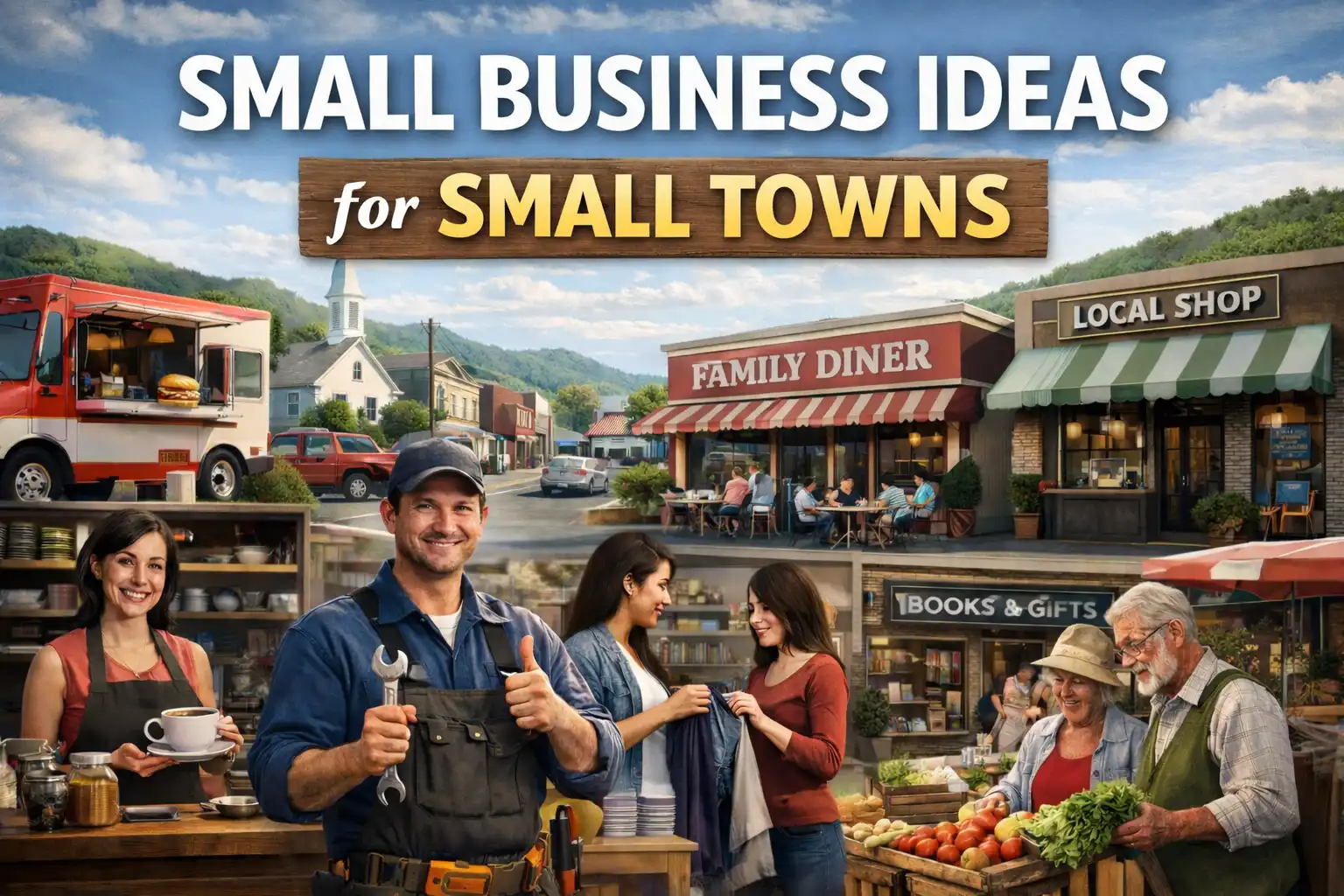
Starting a business in a small town can be one of the smartest moves you make. Small towns usually have lower rent, less competition, and people who prefer to support local businesses. When you do good work, word spreads quickly. Trust builds faster, and loyal customers follow.
But small towns also come with one big challenge — fewer people. This means not every idea will work. Only businesses that solve real, everyday problems can survive and grow. The most successful small-town businesses focus on daily needs, easy access, and services people cannot live without.
Below, you’ll find 25 practical and proven small business ideas for small towns.
Small Business Ideas for Small Towns
1. Local Restaurant or Family Diner
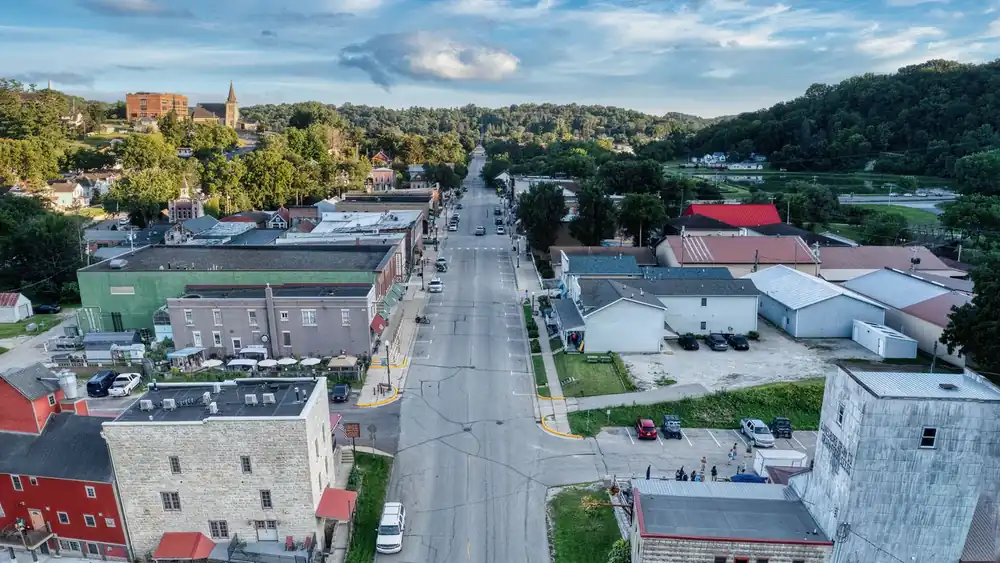
Image source: pexels.com
Food is a daily need. A small-town restaurant works best when it offers simple, affordable meals. You do not need fancy dishes. People care more about taste, cleanliness, and price.
This type of business succeeds when it fills a gap. For example, if your town has no breakfast place or no family dining option, that is an opportunity.
Why it works
- Regular customers
- Takeaway adds extra income
- Strong word-of-mouth growth
2. Coffee Shop with Light Snacks
A coffee shop can become a daily habit for locals. It works well near schools, offices, or main roads. In small towns, coffee shops also act as social spaces.
You can keep costs under control by offering a limited menu. Coffee, tea, sandwiches, and pastries are enough to start.
Why it works
- Repeat customers
- Morning and evening demand
- Low menu complexity
3. Small Grocery or Convenience Store
If people travel far to buy basic items, a local grocery store can do very well. Focus on daily essentials instead of large inventories.
Stock items people buy often, such as milk, bread, snacks, and household goods.
Why it works
- Daily-use business
- Steady foot traffic
- High convenience value
4. Handyman Services
Homes always need repairs. Broken doors, leaking taps, loose shelves, and small electrical work create constant demand.
This business depends mostly on trust. One satisfied customer can bring many more.
Why it works
- Very low startup cost
- Strong word of mouth
- Always in demand
5. Auto Repair or Two-Wheeler Repair Shop
Most small-town residents depend on vehicles. A local repair shop saves time and travel.
You can start by offering basic services like oil changes, tire repair, and battery replacement.
Why it works
- Regular maintenance needs
- Limited competition
- Essential service
6. Home Cleaning Services
Many people do not have time or energy to clean regularly. Families, elderly residents, and working couples often look for help.
You can start alone and grow slowly as demand increases.
Why it works
- Repeat monthly customers
- Low equipment cost
- Easy to scale
7. Salon or Barbershop
Haircuts are a regular need. Even if your town already has a salon, there may still be room for another that offers better service or pricing.
Cleanliness, friendliness, and consistency matter most.
Why it works
- Repeat visits
- Personal relationships
- Stable income
8. Pet Grooming and Boarding
Pet ownership is common in small towns, but services are often limited. Grooming and short-term boarding can fill this gap.
You can later add pet food or accessories to increase income.
Why it works
- Growing pet ownership
- Limited local options
- Loyal customers
9. Daycare or Childcare Center
Working parents need safe and nearby childcare. A local daycare saves time and builds trust.
This business works best for people with childcare experience and patience.
Why it works
- Strong local demand
- Long-term customers
- Community trust
10. Bakery
Fresh bread, cakes, and snacks attract daily customers. A small bakery can become a favorite local spot.
Festival orders and special occasions bring extra income.
Why it works
- High repeat purchases
- Simple product focus
- Strong local support
11. Pharmacy or Medical Store
People need medicines quickly. If the nearest pharmacy is far away, a local medical store becomes essential.
This business requires licenses and trained staff but serves a critical role.
Why it works
- Daily necessity
- Reliable demand
- High trust business
12. Hardware Store
From tools to paint to plumbing items, small towns need quick access to repair supplies.
A local hardware store saves people time and effort.
Why it works
- Emergency purchases
- Constant demand
- Broad customer base
13. Laundry and Dry Cleaning Service
Not everyone wants to wash heavy clothes or special fabrics at home. A nearby laundry service makes life easier.
Pickup and delivery can add value.
Why it works
- Regular customers
- Residential demand
- Service-based income
14. Tutoring or Coaching Center
Parents want better education support for their children. Tutoring for school subjects or exams is always needed.
You can start from home to reduce costs.
Why it works
- Education-focused families
- Low startup cost
- Social impact
15. Clothing Boutique
People still prefer trying clothes before buying. A small boutique with everyday wear can work well.
Choose stock based on local preferences.
Why it works
- Seasonal demand
- Local fashion needs
- In-person advantage
16. Event Planning and Small Venue
Birthdays, weddings, and local events happen everywhere. A small venue or planning service can fill a major gap.
You can earn from space rental and planning services.
Why it works
- Year-round demand
- Multiple income streams
- Community events
17. Photography Services
People need photos for weddings, school events, and family occasions. A local photographer builds strong relationships.
School contracts can provide yearly income.
Why it works
- Event-based demand
- Creative service
- Local referrals
18. Landscaping and Gardening
Many homeowners want neat lawns but lack time or skills. Gardening services grow quickly through referrals.
Seasonal work brings strong income during peak months.
Why it works
- Outdoor maintenance need
- Low startup cost
- Referral-driven growth
19. Fitness Studio or Small Gym
People want convenient fitness options. A small gym or group fitness classes can work well.
You do not need expensive machines to start.
Why it works
- Health awareness
- Monthly memberships
- Community engagement
20. Bookstore and Stationery Shop
Schools create steady demand for books and stationery. Adding reading events or local authors builds interest.
This shop can also become a quiet community space.
Why it works
- School-driven sales
- Mixed product range
- Community value
21. Ice Cream or Dessert Shop
Desserts attract all age groups. An ice cream or dessert shop works especially well near schools and markets.
Special orders boost profits.
Why it works
- High impulse buying
- Seasonal popularity
- Family-friendly
22. Real Estate Services

Image source: pexels.com
Property buying and renting happens even in small towns. Local knowledge builds trust.
You can expand to nearby towns over time.
Why it works
- High-value transactions
- Local expertise
- Long-term growth
23. IT and Computer Support
Wi-Fi issues, laptop repairs, and basic tech help are common everywhere. Small towns often lack local tech support.
This business has low overhead and flexible hours.
Why it works
- Growing tech use
- Low startup cost
- Skill-based income
24. Food Truck
A food truck allows you to serve multiple areas without high rent. It works well for town events and nearby villages.
It is ideal for first-time food entrepreneurs.
Why it works
- Flexible location
- Lower risk
- Event-based sales
25. Thrift or Second-Hand Store
Affordable shopping is popular in small towns. Second-hand clothing, furniture, and household items sell well.
Adding local handmade goods increases appeal.
Why it works
- Low inventory cost
- Budget-friendly demand
- Sustainable trend
How to Choose the Right Business for Your Small Town
Understand Local Gaps
Observe what people travel outside town to buy or use. That gap is your opportunity.
Match Your Skills
Choose a business that fits your experience or interest. It improves long-term success.
Start Small
Avoid heavy investment early. Small towns reward steady growth.
Build Trust
Good service and honest pricing spread fast in close communities.
Test Demand Before Committing Premises
A small catchment magnifies the cost of getting demand wrong. Free market and demographic data through the British Library Business & IP Centre network can size a local market before you sign a lease.
Final Thoughts
The best small business ideas for small towns are not about trends or quick wins. They are about being useful, dependable, and focused on the community. Businesses that save people time, solve everyday problems, and earn trust are the ones that last.
With the right idea, patience, and steady effort, a small-town business can grow into a stable source of income and a respected local name that people rely on year after year.
FAQs About Small Business Ideas for Small Towns
What are the best small business ideas for small towns with low investment?
Low-investment businesses usually work well in small towns. These include home cleaning services, tutoring, handyman work, pet grooming, basic IT support, and small service-based businesses. These ideas require less money to start and focus on daily local needs.
How do I choose the right small business idea for my small town?
Start by observing what people in your town travel outside to buy or use. Talk to local residents and understand their problems. The best business idea is one that fills a gap and matches your skills, budget, and long-term goals.
Can a small business really succeed in a small town?
Yes, a small business can succeed in a small town if it meets a real need. Small towns have fewer customers, but they also have less competition. Businesses that offer essential services and build trust often perform very well.
What type of business works best in small towns?
Businesses that provide daily-use services work best in small towns. These include food services, repair work, healthcare-related stores, education services, and convenience-based businesses. Reliability matters more than trends.
How much money do I need to start a small town business?
The amount depends on the type of business. Service-based businesses can start with very little money, while shops, cafés, or clinics require more investment. Planning a simple budget before starting helps avoid problems later.
What are the biggest challenges of running a business in a small town?
The main challenges include a smaller customer base and limited growth speed. However, strong community support and repeat customers often balance these challenges when the business is useful and trustworthy.
Is online marketing useful for small town businesses?
Yes, online marketing helps even in small towns. Tools like local search listings and social media help businesses reach nearby customers and surrounding areas without spending much money.
Do I need to register my small town business legally?
Yes, registering your business is important. It helps you operate legally, open bank accounts, apply for loans, and build trust with customers and suppliers.
Can small town businesses grow over time?
Yes, many small town businesses grow steadily. Some expand to nearby towns, while others add new services. Growth may be slower, but it is often more stable and sustainable.